
Dog Breed Info & Overview
Breed History
The Affenpinscher began in Germany as a small ratter used around kitchens, shops, and stables. Its name means monkey-like terrier, a nod to its expressive face and comic manner. Over time, it moved from pest control to companionship, keeping the courage, alertness, and hardy spirit that shaped its early working role.
Characteristics
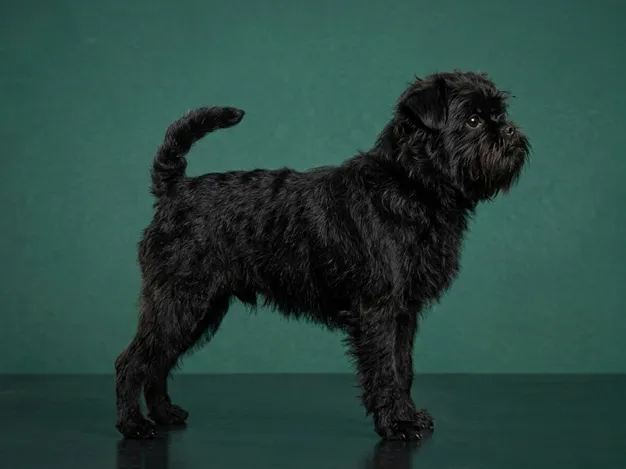
The Affenpinscher is compact, sturdy, and full of presence despite its tiny size. It has a wiry coat, dark eyes, shaggy brows, and a confident carriage. This breed sheds lightly, needs regular coat care, and enjoys short bursts of play. It brings a big-dog attitude to a very manageable frame.
Temperament
Affenpinschers are bold, curious, loyal, and often comical. They usually bond closely with family but may be cautious with strangers. Their independent streak means training should be positive and consistent. Socialization helps them stay polite while preserving the spark that makes the breed so entertaining.
Personality
This breed has a mischievous, watchful personality that often feels larger than its body. It enjoys attention, games, and being near trusted people, but it dislikes rough handling. Many Affenpinschers act like tiny guardians, announcing visitors and inspecting household changes with serious purpose and charm.
Physical Characteristics
The Affenpinscher has a square body, short muzzle, prominent chin, and a rough coat that forms a beard and eyebrows. Black is common, though gray, silver, red, or tan may appear. Its movement is light and confident, and its expressive face gives the breed the famous monkey-dog look loved by fans.
Health Issues
Affenpinschers are generally long-lived, but owners should watch for dental disease, patellar luxation, hip issues, eye concerns, and heat sensitivity linked to the short muzzle. Keeping weight controlled, brushing teeth, scheduling vet checks, and avoiding heavy exercise in hot weather help support comfort.
Right For You?
The Affenpinscher is right for owners who want a small dog with courage and humor, not a silent lap ornament. It suits apartments and calm homes, but it still needs training, brushing, and daily activity. It is less ideal for rough young children or people who dislike stubborn toy-breed confidence.
Frequently Asked Questions
Q1. Is the Affenpinscher a good apartment dog for owners who want a small but lively companion at home?
Ans. Yes, the Affenpinscher often suits apartment life because it is compact, alert, and satisfied with moderate exercise. It still needs daily walks, play, and mental stimulation. Owners should also manage barking early so its watchdog nature does not become disruptive in shared housing.
Q2. How much grooming does an Affenpinscher need to keep its wiry coat tidy and comfortable each week?
Ans. Weekly brushing helps prevent tangles around the beard, chest, and legs. Many owners use professional grooming or hand-stripping every few months to preserve coat texture. Regular nail trims, ear checks, and dental care are also important because small breeds can develop mouth problems.
Q3. Are Affenpinschers good with children, cats, and other dogs when socialized from puppyhood carefully?
Ans. They can do well with respectful older children and calm pets, especially when introduced early. Very young children may be too rough for this small breed. Supervision is important because the Affenpinscher can be bold, possessive, or bossy despite its toy size.
Q4. Is the Affenpinscher difficult to train compared with other toy breeds and small companion dogs?
Ans. Training can be moderately challenging because the breed is smart, independent, and quick to lose interest. Short lessons, treats, praise, and playful repetition work best. Harsh correction often creates resistance, while calm consistency builds manners without dulling the dog personality.
Q5. What health problems should Affenpinscher owners watch for through puppy, adult, and senior years?
Ans. Owners should monitor knees, teeth, hips, eyes, and heat tolerance. Patellar luxation, dental disease, and breathing discomfort in hot weather may occur. Responsible breeding, healthy weight, routine vet care, and safe exercise habits help protect this breed over the long term.