
Dog Breed Info & Overview
Breed History
The Afghan Hound is an ancient sighthound from the mountains and deserts of Afghanistan, where it hunted by speed and sight over difficult terrain. Its long coat helped protect it in harsh climates, while its agility made it valuable for pursuing game. The breed later gained fame worldwide for elegance and independence.
Characteristics
The Afghan Hound is tall, athletic, and instantly recognizable for its silky flowing coat. It combines speed, balance, and grace with a serious grooming commitment. This breed needs secure areas for running, careful coat maintenance, and patient handling. Its beauty is matched by a strong, independent hunting heritage.
Temperament
Afghan Hounds are dignified, sensitive, and often reserved with strangers. They may appear aloof, yet many are affectionate and playful with trusted family. Their independent mind means they rarely obey like a working dog. Training should be calm, respectful, and reward based to keep cooperation strong.
Personality
This breed has a refined personality with a surprising silly side. An Afghan Hound may lounge like royalty indoors, then race with explosive energy outside. It values comfort, routine, and gentle owners. Many dislike rough handling or repetitive drills, so trust and patience are the keys to a stable bond.
Physical Characteristics
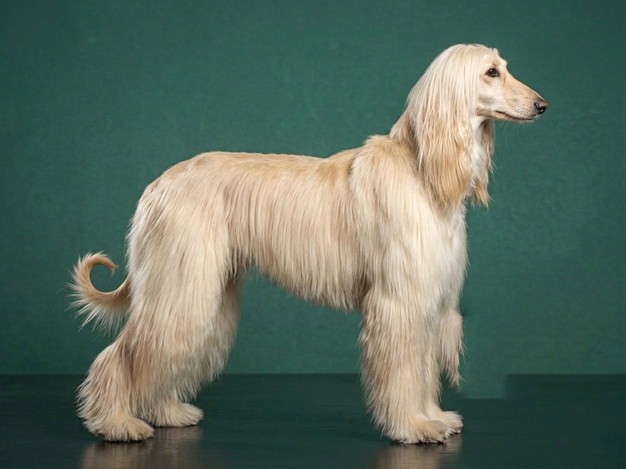
The Afghan Hound has a long narrow head, high hipbones, deep chest, and a dramatic silky coat that may come in many colors. Its large feet, strong legs, and flexible body support fast movement across rough ground. The tail is carried with a curve, adding to the breed elegant outline.
Health Issues
Afghan Hounds can be healthy and long lived, but owners should watch for hip issues, thyroid problems, allergies, bloat, eye concerns, and sensitivity to anesthesia. Coat and skin care also matter. Lean weight, safe exercise, quality nutrition, and regular veterinary checks help preserve comfort and movement.
Right For You?
The Afghan Hound is right for owners who enjoy grooming, quiet companionship, and independent dogs. It is not ideal for people who expect instant obedience or low coat care. With secure exercise, kind training, and regular maintenance, this breed becomes a striking companion for patient, stylish homes.
Frequently Asked Questions
Q1. Is the Afghan Hound a good family dog for homes that can manage grooming and secure exercise daily?
Ans. Yes, the Afghan Hound can be a gentle family companion when handled respectfully. It often prefers calm homes and may bond deeply with its people. Because it is sensitive and independent, families should teach children polite behavior and provide secure exercise rather than rough play.
Q2. How much grooming does an Afghan Hound need to keep the long coat healthy and free from mats weekly?
Ans. The coat needs serious attention, often several brushing sessions each week and regular bathing. Mats can form quickly behind ears, under legs, and around furnishings. Many owners use professional grooming to keep the coat clean, flowing, and comfortable, especially during coat changes.
Q3. Can an Afghan Hound live in an apartment if the owner gives enough walks and safe running time daily?
Ans. Apartment life can work for committed owners, but only if the dog receives daily exercise and chances to run safely in fenced areas. Afghan Hounds are usually calm indoors after activity. They should not be trusted off leash in open places because their chase instinct is strong.
Q4. Is the Afghan Hound easy to train for first-time owners who want reliable recall and quick obedience?
Ans. It is not the easiest breed for first-time owners. Afghan Hounds are intelligent but independent, and they may ignore commands when distracted. Short, positive lessons and early socialization help. Reliable recall is difficult, so leash control and fenced exercise are very important.
Q5. What health concerns should Afghan Hound owners monitor from puppyhood through the senior years?
Ans. Owners should watch for hip problems, thyroid disease, allergies, bloat, eye issues, and anesthesia sensitivity. Regular vet visits, lean weight, safe feeding routines, and careful exercise help. Coat checks also protect the skin from irritation hidden under the long hair.