
Dog Breed Info & Overview
Breed History
The Airedale Terrier developed in the Aire Valley of Yorkshire, England, where working people needed a versatile terrier for hunting otter, ratting, and guarding. Breeders combined terrier toughness with hound ability to create a larger, more adaptable dog. Its bravery later made it useful in police and military work.
Characteristics
The Airedale Terrier is the largest of the terrier group, with a strong body, wiry coat, long head, and lively expression. It is athletic, clever, and ready for action. This breed needs exercise, training, and mental puzzles. Its low-shedding coat benefits from brushing, trimming, or hand-stripping.
Temperament
Airedales are confident, playful, alert, and loyal. They often enjoy family life and can be protective without being overly clingy. Their terrier independence means they may test boundaries. Early training and socialization help shape their energy into good manners, especially around pets and excited visitors.
Personality
This breed has a bright, humorous personality and often acts like a household problem solver. It likes games, exploration, and being included in family activity. Airedales can be affectionate, but they also value independence. Owners who enjoy wit and challenge usually appreciate their expressive nature.
Physical Characteristics
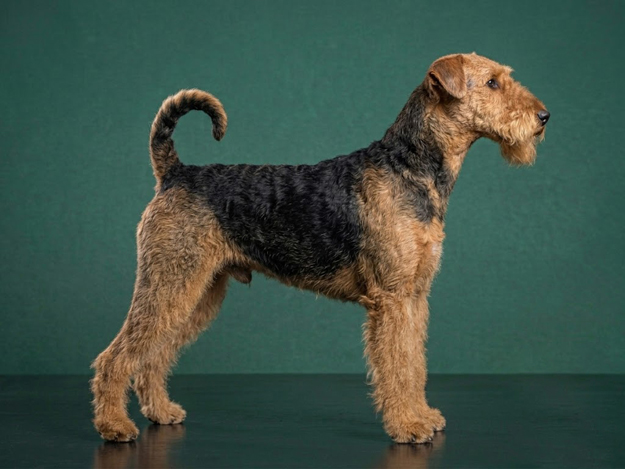
The Airedale has a rectangular outline, deep chest, straight legs, and a dense wiry coat that is usually tan with a black or grizzle saddle. Its beard and eyebrows give a sharp, intelligent look. Strong jaws, balanced movement, and a confident stance reflect its practical working-terrier heritage.
Health Issues
Airedale Terriers may face hip dysplasia, allergies, thyroid problems, eye conditions, bloat, and skin irritation. Ear and dental care also matter. Healthy weight, routine exercise, responsible breeding, and regular veterinary exams help support an active life. Coat care can also reduce skin discomfort.
Right For You?
The Airedale Terrier is right for owners who want an energetic, clever dog with character. It suits active families, hikers, and people who enjoy training. It is less ideal for inactive homes or owners who dislike terrier independence. With structure and humor, the breed becomes a loyal companion.
Frequently Asked Questions
Q1. Is the Airedale Terrier a good family dog for active homes with children and consistent training daily?
Ans. Yes, the Airedale Terrier can be an excellent family dog when exercise, manners, and supervision are provided. It is playful and loyal, but its strength and enthusiasm may overwhelm very small children. Families should teach calm interaction and maintain regular training routines.
Q2. How much grooming does an Airedale Terrier need to keep the wiry coat neat and low shedding weekly?
Ans. The wiry coat needs brushing several times a week and trimming or hand-stripping every few months. Regular grooming keeps texture, reduces loose hair, and prevents tangles in the beard and legs. Ears, nails, teeth, and skin should also be checked consistently.
Q3. Can an Airedale Terrier live in an apartment if the owner gives enough exercise and mental work daily?
Ans. Apartment life is possible for a very active owner, but it is not the easiest choice. Airedales need daily exercise, training, and stimulation. Without enough activity, they may bark, dig, chew, or invent mischief. A secure yard and active routine are very helpful.
Q4. Is the Airedale Terrier easy to train compared with other terriers and intelligent working breeds?
Ans. Airedales are smart and learn quickly, but they are also independent thinkers. Training should be positive, varied, and consistent. Repetitive drills may bore them, while harsh correction can create resistance. Owners who make lessons purposeful and fun usually get better results.
Q5. Does the Airedale Terrier get along with cats, small pets, and other dogs when socialized early?
Ans. Early socialization helps, but Airedales may have terrier prey drive and strong opinions with other animals. Some live peacefully with pets they know, while others chase smaller creatures. Careful introductions, supervision, leash control, and training are important throughout life.