KCI Registered
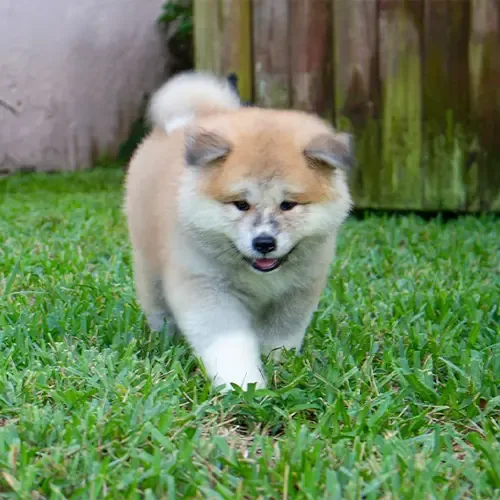

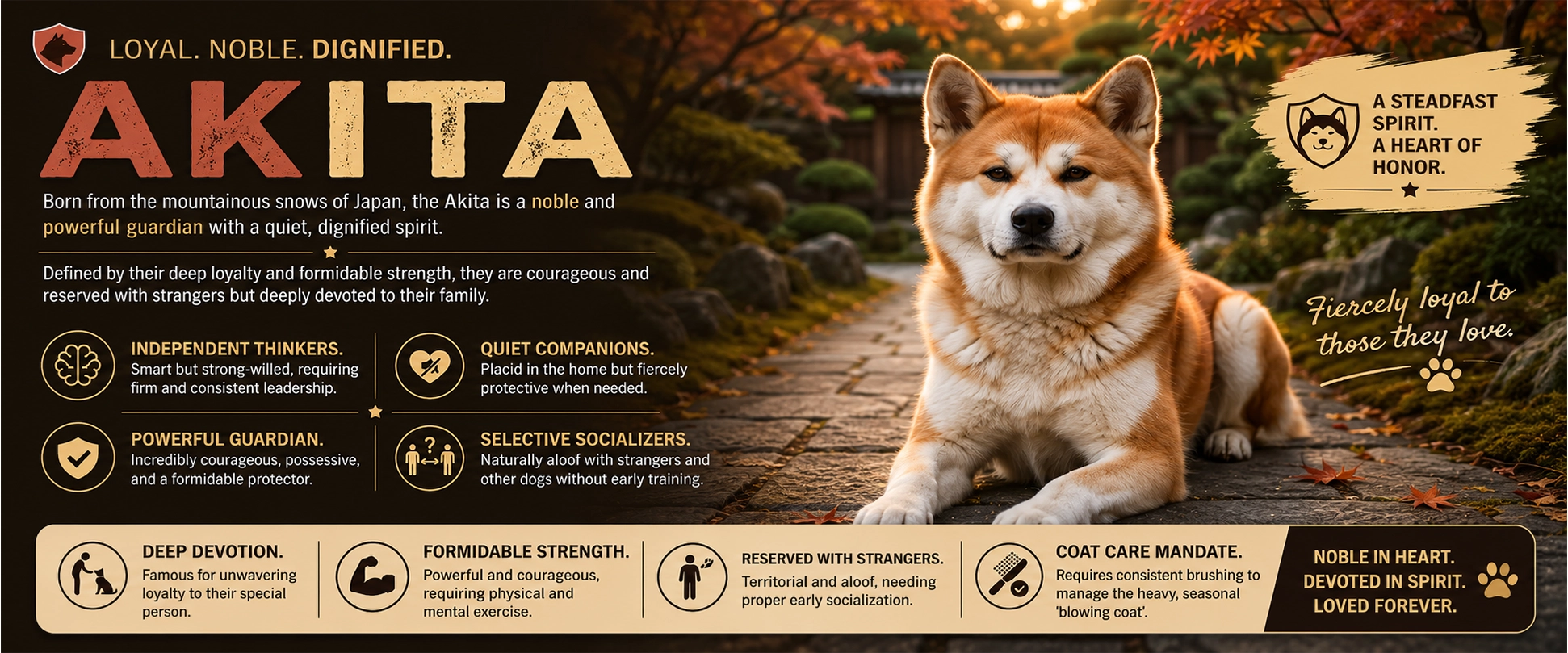
Akita is a dignified, loyal and quietly confident breed for people who appreciate a companion with a strong personality. Petoris Global helps buyers understand Akita temperament, puppy health, body structure, early socialisation and the level of commitment this breed needs before they make a decision.
An Akita puppy can form a deep bond with its family, but it also needs calm leadership, patient training and a predictable routine. For clear guidance on choosing an Akita puppy responsibly, speak with Petoris Global at 9211640618.
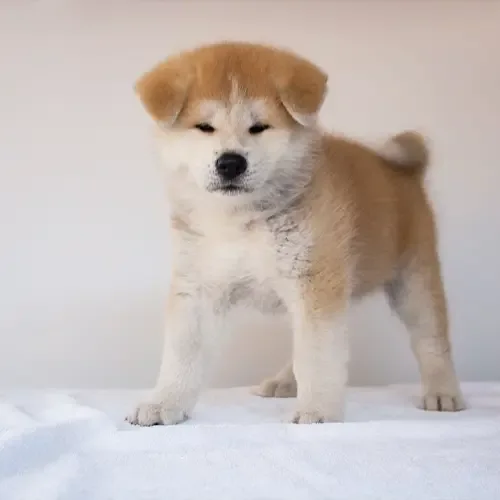
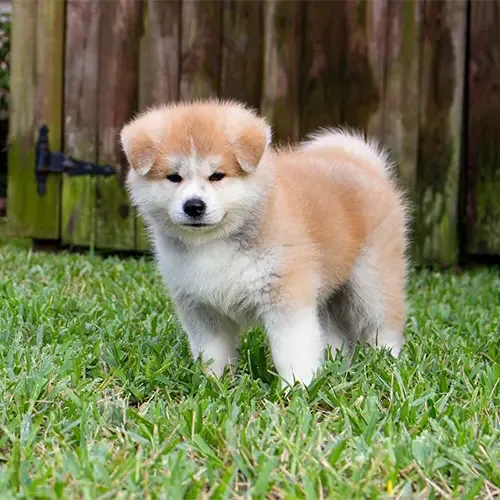
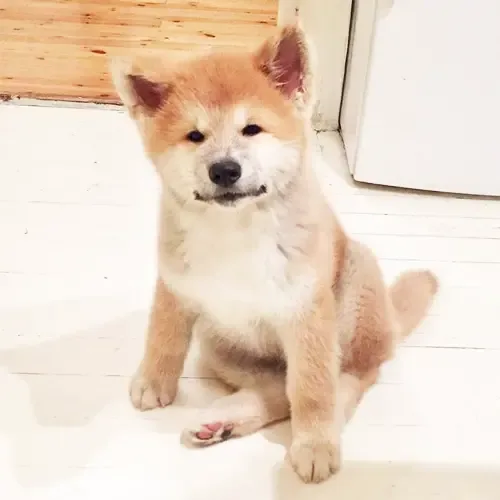
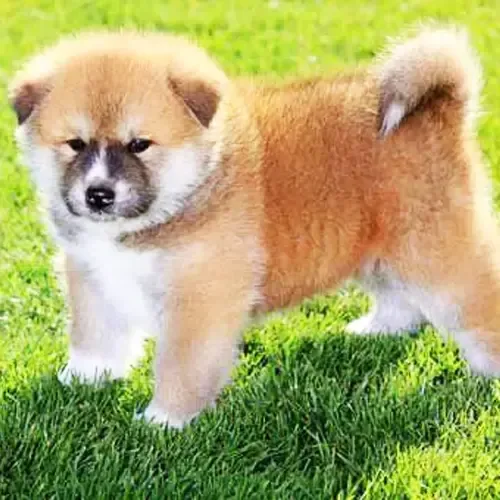
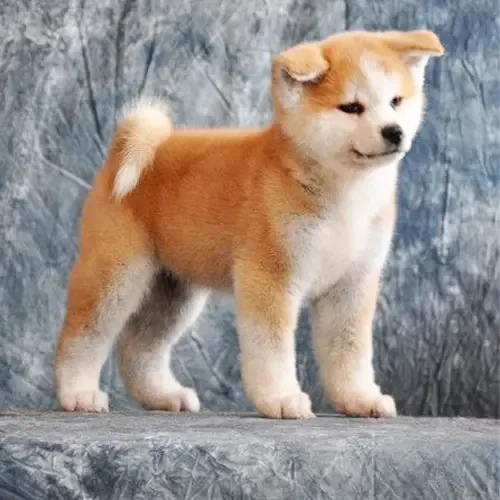
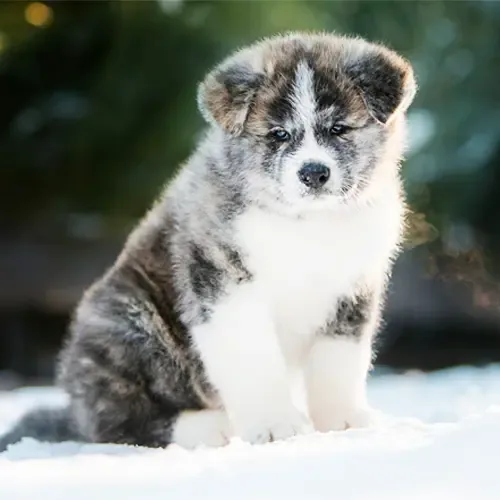
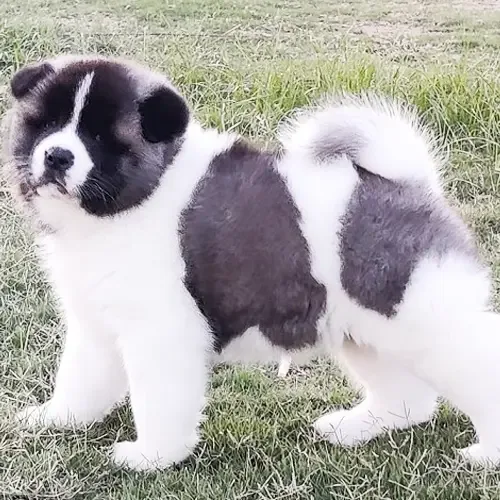
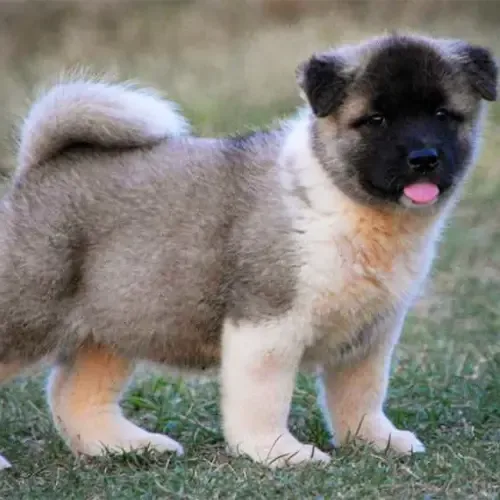
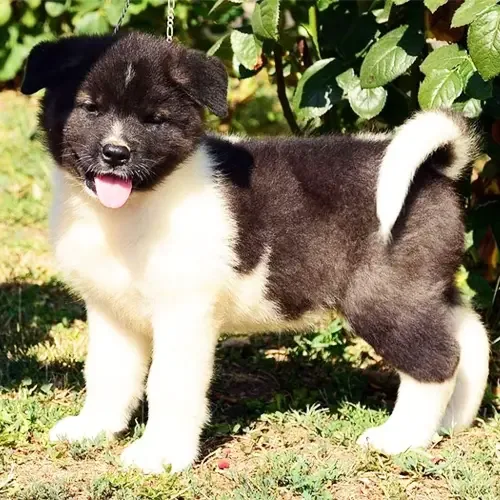
Choosing an Akita puppy is not only about finding a beautiful coat or striking face; it is about selecting a companion whose temperament and care needs fit your home. Petoris Global helps buyers understand puppy age, health, vaccination details, body balance, coat condition and early behaviour before selection. Akita puppies for sale should be chosen with patience because this breed is intelligent, loyal and naturally independent. We explain what responsible ownership looks like, so you can make a thoughtful decision. For guidance, call 9211640618.
Akita puppies can vary in coat colour, markings, gender, age, build and individual personality. Some buyers prefer a calm puppy with a soft expression, while others are looking for a more alert and confident companion. Petoris Global helps you understand these differences without making exaggerated claims. We discuss each puppy’s health, temperament, grooming needs and expected care before you decide. The right Akita puppy should suit your routine and handling ability, not just match a preferred appearance.
Akita puppy price can differ based on health care, age, body structure, coat quality, vaccination records, bloodline and the standard of early upbringing. A lower quote may not always reflect better value if important care or health details are missing. Petoris Global helps buyers understand what influences the price of Akita puppies for sale, so they can ask informed questions before booking. Our approach is focused on clarity, quality awareness and responsible selection. Call 9211640618 for support.
A good Akita puppy should have clear eyes, a clean coat, healthy ears, steady movement, alert expression and a balanced body. Quality is not decided by colour alone; correct age, socialisation, hygiene, health monitoring and responsible early care matter just as much. Petoris Global helps buyers look at these practical signs before choosing. This guidance can help you avoid puppies that seem attractive in photographs but may not have received the right care, nutrition or handling.
Petoris Global believes responsible puppy selection begins with honest information. We explain Akita temperament, feeding basics, grooming, early training, socialisation and important quality checks in clear language. Our team also helps buyers consider whether their time, home routine and confidence level are suitable for this independent breed. We do not encourage rushed decisions; we help you choose with understanding. For dependable Akita puppies for sale guidance, contact Petoris Global at 9211640618.
If you plan to buy an Akita puppy, choose only after understanding that this breed needs respect, consistency and thoughtful training. Akitas can be deeply loyal and affectionate with their family, but they are best raised by owners who can provide routine, boundaries and proper socialisation. Petoris Global supports you with clear puppy details and practical selection guidance for a confident long-term decision. To discuss available Akita puppies for sale, call 9211640618.
Know the average price of Akita puppies in your city.
| City | Price |
|---|---|
| Akita Price In Delhi NCR | INR 65,000 to INR 160,000 |
| Akita Price In Noida | INR 65,000 to INR 160,000 |
| Akita Price In Gurugram | INR 65,000 to INR 160,000 |