
Dog Breed Info & Overview
Breed History
The Alaskan Klee Kai was developed in Alaska during the late twentieth century to create a smaller companion with northern-dog appearance. The breed was shaped from Alaskan Husky type dogs with other small breeds used selectively. Its name means little dog, reflecting its compact size and active spirit.
Characteristics
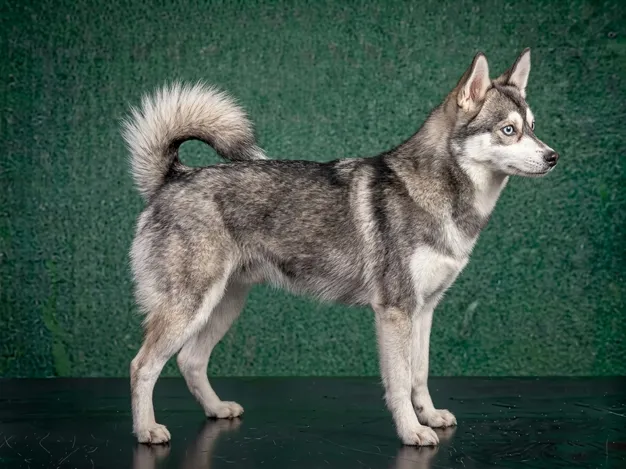
The Alaskan Klee Kai looks like a small northern spitz with a wedge head, curled tail, mask, and thick double coat. It comes in toy, miniature, and standard sizes. Alertness, agility, and intelligence define the breed. Shedding can be heavy, especially when the undercoat changes seasonally.
Temperament
Alaskan Klee Kai are loyal, bright, alert, and often reserved with unfamiliar people. They may warm up slowly, so socialization is important. This breed notices small changes and can be vocal. Positive training helps channel sensitivity and intelligence into confidence rather than nervous behavior.
Personality
This breed has a curious, quick, and watchful personality. It often bonds closely with its chosen people and enjoys puzzles, walks, and interactive play. Many are not instantly friendly with strangers, which makes calm exposure valuable. Owners who respect its sensitivity usually build the strongest trust.
Physical Characteristics
The Alaskan Klee Kai has a compact body, erect ears, plumed tail, and dense double coat. Coat colors commonly include black and white, gray and white, or red and white. A distinct facial mask is a breed highlight. Its light frame and quick movement make it athletic for its size.
Health Issues
Alaskan Klee Kai may be prone to patellar luxation, thyroid concerns, heart issues, liver shunt, dental problems, and eye conditions. Responsible breeding is especially important in rare breeds. Regular vet checks, dental care, healthy weight, and safe exercise help support a long active life.
Right For You?
The Alaskan Klee Kai is right for owners who want a compact, active, intelligent dog and can provide socialization. It is not ideal for people who expect a universally outgoing pet. With patience, games, exercise, and routine, it becomes a loyal companion with striking looks.
Frequently Asked Questions
Q1. Is the Alaskan Klee Kai a good apartment dog for active owners who like small northern breeds?
Ans. Yes, it can live well in an apartment if exercise and mental stimulation are consistent. The breed is compact but energetic and alert. Owners should work on barking, confidence, and social manners early so the dog stays comfortable in busy buildings and public spaces.
Q2. How much grooming does an Alaskan Klee Kai need with its thick double coat and seasonal shedding?
Ans. The double coat needs brushing several times weekly, with extra attention during shedding seasons. Bathing is occasional, but loose undercoat must be removed to keep the skin comfortable. Nails, teeth, and ears should also be maintained as part of regular care.
Q3. Is the Alaskan Klee Kai friendly with strangers, children, and other pets when socialized early?
Ans. Many are loyal with family but cautious around strangers. Early socialization helps them feel safer, but owners should not force interactions. They may do well with respectful children and familiar pets. Supervision is important because the breed can be quick, sensitive, and vocal.
Q4. Is the Alaskan Klee Kai easy to train for first-time owners who want a clever companion dog?
Ans. It is intelligent and learns quickly, but it can be sensitive and independent. First-time owners may succeed if they use positive methods, patience, and consistency. Short sessions, rewards, games, and calm exposure work better than pressure or repetitive commands.
Q5. What health problems should Alaskan Klee Kai owners watch for in this rare companion breed?
Ans. Owners should monitor knees, teeth, thyroid function, eyes, heart health, and possible liver shunt concerns. Because the breed is rare, choosing a responsible breeder is important. Routine vet visits, good nutrition, and dental care support long-term health.