
Dog Breed Info & Overview
Breed History
The Alaskan Malamute is one of the oldest Arctic sled dogs, developed by the Mahlemut people of Alaska for hauling heavy loads over snow and ice. Unlike faster racing dogs, it was valued for strength, endurance, and teamwork. Its heritage remains visible in its powerful body and social working nature.
Characteristics
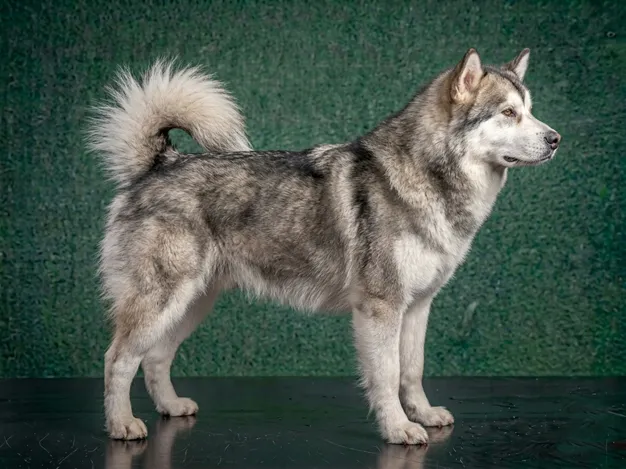
The Alaskan Malamute is a large, heavy-boned northern breed with a thick double coat, strong chest, plumed tail, and powerful movement. It was built to pull weight rather than sprint. This breed needs cold-climate awareness, exercise, training, and serious grooming during shedding seasons.
Temperament
Malamutes are affectionate, playful, strong-willed, and usually friendly with people. They are not typical guard dogs, but their size is impressive. Their independence can challenge training, and prey drive may be high. Socialization, leash manners, and consistent boundaries are essential from an early age.
Personality
This breed has a cheerful, pack-oriented personality and often loves being part of family activity. It can be vocal, goofy, and stubborn in equal measure. Many Malamutes enjoy digging, carrying objects, and exploring. Owners who provide work, companionship, and humor usually enjoy them most.
Physical Characteristics
The Alaskan Malamute has a broad head, erect ears, deep chest, strong legs, and a dense weather-resistant coat. Common colors include gray and white, black and white, sable, red, and seal patterns. Its tail curls over the back, and its sturdy build reflects power for hauling heavy freight.
Health Issues
Alaskan Malamutes may face hip dysplasia, elbow issues, hypothyroidism, inherited polyneuropathy, eye problems, bloat, and weight gain. Heat stress is also a concern because of the dense coat. Lean condition, responsible breeding, careful exercise, and regular vet care are important.
Right For You?
The Alaskan Malamute is right for owners who have space, strength, and an active lifestyle. It is not ideal for hot climates, weak fencing, or people who dislike shedding. With exercise, grooming, and steady leadership, it becomes a loving outdoor partner and family companion.
Frequently Asked Questions
Q1. Is the Alaskan Malamute a good family dog for active homes that can manage strength and shedding?
Ans. Yes, the Alaskan Malamute can be a friendly family dog when exercise, training, and grooming are taken seriously. It is usually affectionate with people, but its size and enthusiasm require supervision around small children. It needs active owners, not casual handling.
Q2. How much grooming does an Alaskan Malamute need with its thick coat and heavy seasonal shedding?
Ans. The dense double coat needs brushing several times a week and daily attention during heavy shedding. Loose undercoat can build up quickly. Regular nail trims, ear checks, and dental care also matter. Shaving is not recommended because the coat helps regulate temperature.
Q3. Can an Alaskan Malamute live in an apartment if the owner provides long walks and training daily?
Ans. Apartment life is difficult for most Malamutes because they are large, energetic, vocal, and heavy shedders. A committed owner may manage it with serious exercise, but a secure yard is better. Without enough activity, the breed may dig, howl, chew, or become restless.
Q4. Is the Alaskan Malamute easy to train for first-time owners who want a reliable off-leash dog?
Ans. It is not usually easy for first-time owners. Malamutes are intelligent but independent, and their prey drive can make off-leash reliability difficult. Positive training, leash practice, recall games, and firm consistency are needed. Secure areas are safest for free running.
Q5. What health problems should Alaskan Malamute owners watch for as this large sled dog ages?
Ans. Owners should monitor hips, elbows, thyroid health, eyes, nerve issues, bloat risk, weight, and heat tolerance. Regular vet care, responsible breeding, controlled meals, safe conditioning, and avoiding hard exercise in heat help protect the breed over time.