
Dog Breed Info & Overview
Breed History
The American Eskimo Dog descends from German Spitz-type dogs brought to the United States by European immigrants. It became popular as a farm companion, watchdog, and circus performer because of its intelligence and striking white coat. Despite its name, the breed is not originally from Arctic Eskimo cultures.
Characteristics
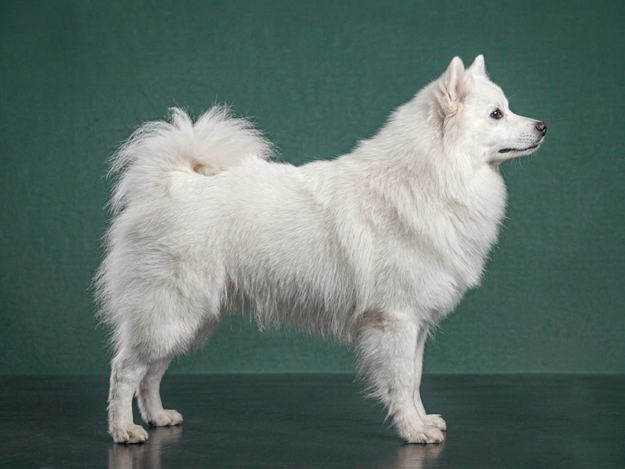
The American Eskimo Dog is a white spitz breed available in toy, miniature, and standard sizes. It has a plumed tail, pointed ears, dense double coat, and bright expression. The breed is agile, quick to learn, and alert. Shedding is regular, so brushing is an important part of ownership.
Temperament
American Eskimo Dogs are lively, affectionate, clever, and watchful. They often bond strongly with family and enjoy being the center of activity. They can be reserved with strangers and may bark if under-socialized. Positive training, early exposure, and mental games keep their alert nature balanced.
Personality
This breed has a cheerful show-off personality and often loves tricks, praise, and attention. Many Eskies are sensitive to household moods and prefer being included rather than ignored. Their intelligence can create quick learning or quick mischief, depending on the routine owners provide.
Physical Characteristics
The American Eskimo Dog has a compact body, wedge-shaped head, erect triangular ears, black points, and a thick white or biscuit-cream double coat. A ruff around the neck gives a proud look. Its movement is light and confident, reflecting the agility that once made it popular in performance work.
Health Issues
American Eskimo Dogs may develop hip dysplasia, patellar luxation, progressive retinal atrophy, dental disease, allergies, and weight gain. Their coat can hide skin issues if not checked. Regular brushing, eye and dental care, lean feeding, exercise, and veterinary visits help support long-term wellness.
Right For You?
The American Eskimo Dog is right for owners who want a smart, social, trainable companion and can manage barking and brushing. It is not ideal for people who want a quiet, low-maintenance pet. With exercise, attention, and positive training, it becomes a joyful family dog.
Frequently Asked Questions
Q1. Is the American Eskimo Dog a good family dog for homes that want a smart and playful companion?
Ans. Yes, the American Eskimo Dog can be a wonderful family companion when socialized and trained early. It is bright, affectionate, and often playful with children. Because it can be vocal and energetic, families should provide routines, manners, exercise, and calm introductions.
Q2. How much grooming does an American Eskimo Dog need with its white double coat and shedding?
Ans. The thick coat needs brushing several times a week and more during shedding periods. Regular brushing helps remove loose undercoat and keeps the skin comfortable. Bathing is occasional, but nails, teeth, and ears need routine care. The coat should not be shaved casually.
Q3. Can an American Eskimo Dog live in an apartment if the owner manages barking and daily activity?
Ans. Yes, many can live in apartments because the breed comes in smaller sizes. Success depends on exercise, training, and bark control. Daily walks, trick training, and puzzle games help. Without enough attention, an Eskie may become noisy or restless in close living spaces.
Q4. Is the American Eskimo Dog easy to train for owners who enjoy tricks, obedience, and games?
Ans. Yes, this breed is usually very trainable and enjoys learning. Positive reinforcement, praise, treats, and variety work well. Because it is clever, it may also learn bad habits quickly. Short, upbeat sessions and consistent rules help shape a polite companion.
Q5. What health problems should American Eskimo Dog owners watch for as the breed grows older?
Ans. Owners should monitor eyes, knees, hips, teeth, skin, allergies, and weight. Progressive retinal atrophy and dental disease can be concerns. Routine vet care, eye checks, dental cleaning, lean meals, and regular exercise help protect quality of life.