
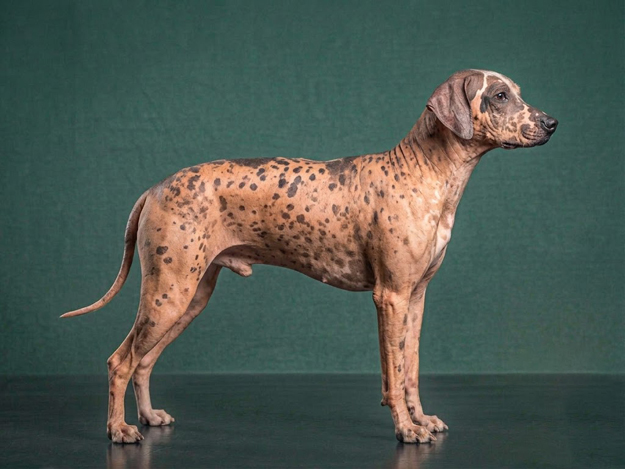
Dog Breed Info & Overview
Breed History
The American Hairless Terrier began in Louisiana when a hairless puppy appeared in a Rat Terrier litter during the 1970s. Breeders developed the line carefully, keeping terrier spirit, intelligence, and ratting roots while selecting for a unique hairless coat. Today, the breed is valued as a lively companion with American working-dog heritage.
Characteristics
The American Hairless Terrier is small, athletic, and quick, with a curious mind and confident terrier nature. It may be hairless or coated, but the hairless type needs protection from sun, cold, and rough surfaces. This breed enjoys play, training, and family involvement, and it is happiest when mentally engaged every day.
Temperament
American Hairless Terriers are friendly, alert, and eager to be part of household activity. They often bond closely with family and can be watchful without being overly serious. Early socialization helps manage barking, chasing, and stranger caution. They respond well to upbeat lessons and owners who set clear, kind boundaries.
Personality
This breed has a cheerful, comic personality with plenty of terrier determination. It likes games, puzzle toys, short training sessions, and time near its people. Many are affectionate lap companions after exercise, but they still need outlets for energy and curiosity. A bored American Hairless Terrier may dig, bark, or create mischief.
Physical Characteristics
The American Hairless Terrier has a compact, muscular body, wedge-shaped head, alert ears, and expressive eyes. Hairless dogs have smooth exposed skin that can show many colors and markings, while coated dogs have a short, sleek coat. The breed moves with agility and balance, reflecting its Rat Terrier background.
Health Issues
American Hairless Terriers are generally healthy, but skin care is important. Sunburn, dryness, allergies, dental problems, patellar luxation, and occasional joint issues may occur. Owners should use safe sun protection, avoid harsh weather exposure, keep nails trimmed, maintain dental routines, and schedule regular veterinary checks.
Right For You?
The American Hairless Terrier is right for owners who want a playful, alert companion and can manage skin protection. It can suit apartments if exercise needs are met, but it still has terrier energy. It is not ideal for people wanting a silent, inactive dog. With care and training, it becomes a charming family friend.
Frequently Asked Questions
Q1. Is the American Hairless Terrier a good dog for allergy-aware homes and families wanting less shedding?
Ans. Yes, it can be a good option for people who want less shedding, especially the hairless type. No dog is fully hypoallergenic, so sensitive owners should spend time with the breed first. Regular skin cleaning, bedding care, and home hygiene help reduce irritation and keep the dog comfortable.
Q2. How much skin care does an American Hairless Terrier need to stay healthy in sun, cold, and dry weather?
Ans. The hairless variety needs regular skin care, including safe sun protection, warmth in cold weather, and gentle bathing when needed. Owners should avoid harsh products and watch for dryness, scratches, or irritation. Light clothing can help outdoors, but the skin should still breathe and stay clean.
Q3. Can an American Hairless Terrier live in an apartment if it gets exercise, games, and training every day?
Ans. Yes, apartment living can work if the dog receives daily walks, playtime, and mental challenges. This breed is small but not lazy, so it needs outlets for terrier energy. Barking can become an issue without training, enrichment, and a routine that prevents boredom.
Q4. Is the American Hairless Terrier easy to train for first-time owners who want a smart small companion?
Ans. It is smart and trainable, but its terrier nature can bring independence. First-time owners can succeed with short lessons, rewards, consistency, and early socialization. Harsh correction may reduce trust, while fun training keeps the dog focused and willing to cooperate.
Q5. Does the American Hairless Terrier get along with children, cats, and other household pets when socialized?
Ans. Many do well with respectful children and familiar pets, especially when raised together. Because terriers can chase small animals, introductions should be careful and supervised. Children should learn gentle handling, particularly with hairless dogs whose skin can be scratched more easily.