
Dog Breed Info & Overview
Breed History
The American Water Spaniel developed in the Great Lakes region, especially Wisconsin and Minnesota, as a compact gun dog for hunters using small boats. It was bred to retrieve from water, flush game, and work in cold marsh conditions. Its practical size and curly coat made it useful in varied Midwestern field work.
Characteristics
The American Water Spaniel is medium-sized, sturdy, and versatile, with a water-resistant curly or wavy coat. It can retrieve, flush, swim, and work closely with a handler. This breed needs exercise, training, and social connection. It is adaptable, but it should not be left bored or underused for long periods.
Temperament
American Water Spaniels are intelligent, eager, and often affectionate with family. They can be alert watchdogs and may show caution with strangers if not socialized early. They respond well to rewards and variety. Because they are sensitive, patient training builds confidence better than pressure or harsh correction.
Personality
This breed blends sporting enthusiasm with a loyal home personality. Many enjoy water play, retrieving games, and being near their people after outdoor activity. They may be vocal or stubborn if ignored, so clear routines are helpful. A well-exercised American Water Spaniel is cheerful, trainable, and deeply companionable.
Physical Characteristics
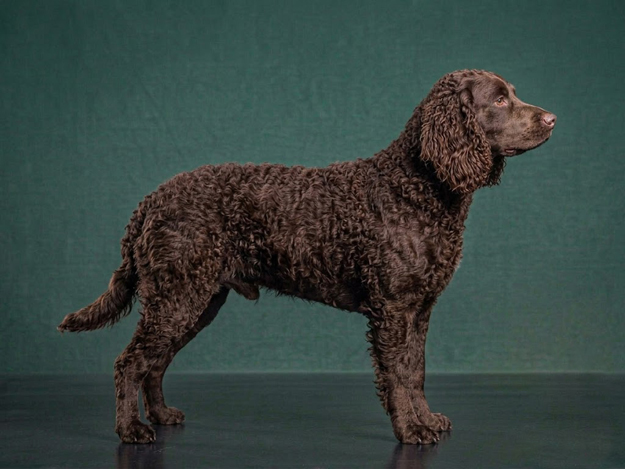
The American Water Spaniel has a compact muscular body, broad head, long ears, and a dense curly or marcel coat. Coat colors include liver, brown, and dark chocolate. Its feet, build, and weather-resistant coat support swimming and retrieving, while its medium size makes it easier to manage than many larger sporting dogs.
Health Issues
American Water Spaniels may be prone to hip dysplasia, eye conditions, allergies, ear infections, heart concerns, and thyroid issues. Their ears need careful drying after swimming. Regular vet checks, weight control, coat care, responsible breeding, and safe activity help maintain long-term health and working ability.
Right For You?
The American Water Spaniel is right for active owners who enjoy outdoor life, training, and water activities. It can suit family homes, but it needs attention and exercise. It is not ideal for people wanting a quiet, low-effort dog. With guidance, it becomes a versatile sporting companion and loyal friend.
Frequently Asked Questions
Q1. Is the American Water Spaniel a good family dog for active homes that enjoy water and outdoor time?
Ans. Yes, it can be a loving family dog when included in activity and training. The breed enjoys retrieving, swimming, and being close to its people. It suits families who can provide exercise, grooming, and socialization rather than leaving it alone for long hours every day.
Q2. How much grooming does an American Water Spaniel need with its curly water-resistant coat weekly?
Ans. The coat needs brushing several times a week to prevent mats and remove debris. After swimming, the ears should be dried and checked to reduce infection risk. Occasional trimming may help keep the dog tidy, but over-bathing can strip natural oils from the coat.
Q3. Can an American Water Spaniel live in an apartment if it gets enough exercise and mental stimulation?
Ans. Apartment life can work for committed active owners, but the dog needs daily exercise, training, and outdoor time. It may bark or become restless if bored. Access to parks, water, scent games, and retrieving activities makes urban living more manageable for this sporting breed.
Q4. Is the American Water Spaniel easy to train for first-time owners who want a smart sporting dog?
Ans. It is intelligent and trainable, but it can also be sensitive and sometimes independent. First-time owners can succeed with positive reinforcement, short sessions, and consistency. Variety is important because repetitive drilling may cause boredom or stubborn behavior.
Q5. What health problems should American Water Spaniel owners watch for from puppyhood to senior age?
Ans. Owners should watch for hip dysplasia, eye issues, allergies, thyroid concerns, heart problems, and ear infections. Regular vet care, responsible breeding, lean weight, dental care, and proper ear drying after water work help protect long-term health and comfort.