
Dog Breed Info & Overview
Breed History
The Anatolian Shepherd Dog traces its roots to ancient livestock guardian dogs of Turkey, where it protected flocks across harsh terrain and changing climates. Selection favored strength, independence, and the ability to judge threats without constant human commands. Its history explains the breed’s calm confidence and strong territorial instinct.
Characteristics
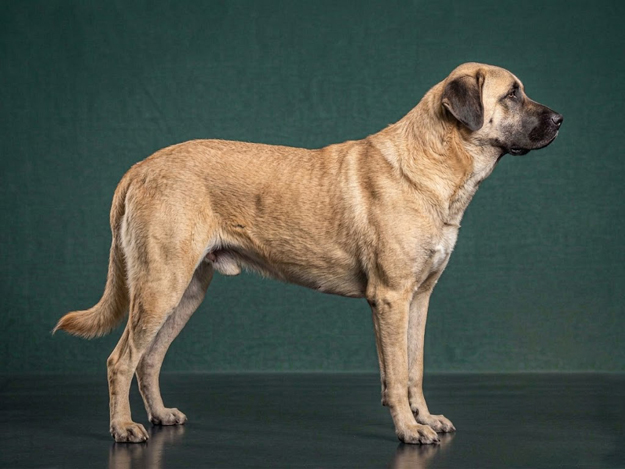
The Anatolian Shepherd Dog is large, powerful, and built for endurance rather than flashy speed. It has a weather-resistant coat, strong frame, and serious guardian instincts. This breed needs secure fencing, space, and owners who understand independent working dogs. It is calm when fulfilled but not low-maintenance.
Temperament
Anatolian Shepherd Dogs are loyal to family, watchful around strangers, and naturally protective of territory. They are not usually eager-to-please obedience dogs, so training must focus on trust, boundaries, and calm control. Early exposure helps them make better decisions and reduces excessive suspicion.
Personality
This breed has a reserved, thoughtful personality. It may seem quiet indoors, but it is always aware of its surroundings. Many Anatolians are affectionate with trusted family without being clingy. They prefer a clear role and may patrol property independently. Owners must respect both their devotion and their decision-making nature.
Physical Characteristics
The Anatolian Shepherd Dog has a tall, muscular body, broad head, deep chest, and strong legs. Coat length varies from short to rough, with many colors accepted, including fawn with a black mask. The breed’s build supports long days guarding livestock, moving steadily, and facing difficult weather conditions.
Health Issues
Anatolian Shepherd Dogs can face hip and elbow dysplasia, bloat, entropion, thyroid concerns, and joint strain. Because they are large, slow controlled growth matters in puppies. Lean weight, measured meals, safe exercise, health screening, and regular veterinary care help protect mobility and long-term comfort.
Right For You?
The Anatolian Shepherd Dog is right for experienced owners with land, secure fencing, and a need for a guardian. It is not ideal for apartments, frequent visitors, or people wanting instant obedience. With socialization, patience, and management, it becomes a loyal protector and impressive working companion.
Frequently Asked Questions
Q1. Is the Anatolian Shepherd Dog a good family dog for homes with land and livestock guardian experience?
Ans. Yes, it can be devoted and gentle with family when raised responsibly. The breed is best for experienced owners who understand guardian instincts. Its size, independence, and protective nature require secure fencing, socialization, and supervision around children and visitors.
Q2. Can an Anatolian Shepherd Dog live in an apartment or busy city home with frequent strangers nearby?
Ans. No, apartments and busy city homes are usually poor matches. This breed needs space, calm routines, and secure outdoor areas. Frequent strangers may trigger guarding behavior, and lack of purpose can create frustration. Rural or spacious homes are far more suitable.
Q3. How much grooming does an Anatolian Shepherd Dog need with its weather-resistant double coat?
Ans. Weekly brushing is usually enough during normal periods, but seasonal shedding can be heavy and requires more frequent grooming. Owners should check ears, nails, teeth, and skin regularly. Outdoor dogs may also need coat checks for burrs, ticks, and debris.
Q4. Is the Anatolian Shepherd Dog easy to train for first-time owners wanting a protective companion?
Ans. No, it is usually not suited to first-time owners. The breed is intelligent but independent, making it different from obedience-focused dogs. Training should begin early and remain calm, consistent, and respectful. Professional guidance can help owners manage guarding instincts safely.
Q5. What health problems should Anatolian Shepherd Dog owners watch for as this large breed matures?
Ans. Owners should watch for hip and elbow dysplasia, bloat, entropion, thyroid issues, and joint strain. Controlled puppy growth, measured meals, lean weight, safe activity, and regular veterinary exams are important. Avoid heavy exercise right after meals to help reduce bloat risk.