
Dog Breed Info & Overview
Breed History
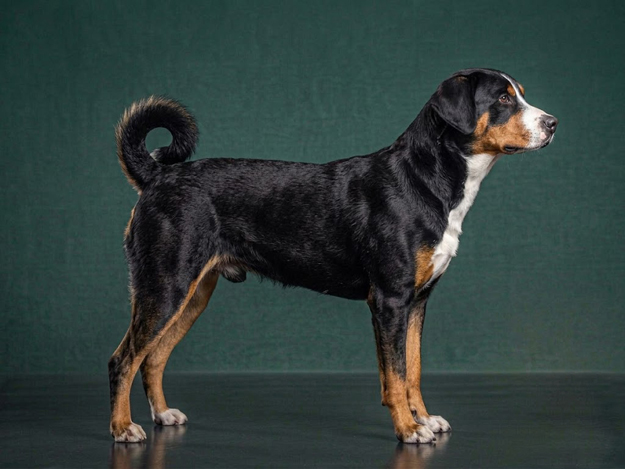
The Appenzeller Sennenhund is one of the Swiss mountain dog breeds, developed in the Appenzell region for herding cattle, guarding farms, and pulling light carts. Its history reflects practical Alpine work, where alertness, agility, and courage mattered. The breed remains less common than some Swiss relatives but highly capable.
Characteristics
The Appenzeller Sennenhund is compact, muscular, and energetic, with a tricolor coat and curled tail. It is quick, vocal, and responsive when well trained. This breed needs daily physical and mental work, including obedience, herding-style games, hiking, or dog sports. It thrives with confident owners.
Temperament
Appenzellers are loyal, lively, and naturally watchful. They often bond strongly with family and may be reserved or loud with strangers. Early socialization is essential to shape confidence and reduce overprotective habits. Their intelligence is a gift when guided well, but they can become demanding without structure.
Personality
This breed has a bold and cheerful personality, often acting like a busy farm helper that wants to be involved in everything. It enjoys problem-solving, movement, and attention from trusted people. An Appenzeller may test boundaries, so owners should be consistent, fair, and ready to provide daily challenges.
Physical Characteristics
The Appenzeller Sennenhund has a square, athletic body, short dense tricolor coat, almond-shaped eyes, and a high curled tail. Black or brown base coloring appears with rust and white markings. The breed moves with agility and drive, showing the stamina needed for farm work, herding, and active outdoor life.
Health Issues
Appenzeller Sennenhunds are generally robust, but possible concerns include hip dysplasia, elbow issues, eye conditions, bloat, and injury from intense activity. Routine vet care, health-tested breeding, lean weight, controlled exercise, and joint-aware conditioning help maintain mobility and long-term performance.
Right For You?
The Appenzeller Sennenhund is right for active owners who enjoy training and want a smart watchdog. It is not ideal for quiet apartments or inactive homes. With exercise, socialization, and clear leadership, it becomes a loyal, spirited, and useful companion for people who appreciate working-dog energy.
Frequently Asked Questions
Q1. Is the Appenzeller Sennenhund a good family dog for active homes that enjoy training and outdoor life?
Ans. Yes, it can be a loyal and fun family dog when its energy is respected. The breed enjoys activity, games, and being part of family routines. Because it can be strong, vocal, and protective, children should be supervised and training should start early.
Q2. Can an Appenzeller Sennenhund live in an apartment if it gets walks, sports, and daily training?
Ans. Apartment life is possible only for very active owners, but it is not ideal. This breed was built for farm work and needs space, movement, and mental challenge. Without enough outlets, barking, restlessness, and pushy behavior may develop quickly.
Q3. How much exercise does an Appenzeller Sennenhund need to stay calm, fit, and manageable every day?
Ans. Most need at least 60 to 90 minutes of active exercise daily, plus training or problem-solving games. Hiking, running, obedience, agility, herding games, and structured play work well. A bored Appenzeller may create its own work around the home.
Q4. Is the Appenzeller Sennenhund easy to train for owners who enjoy smart and energetic working dogs?
Ans. It is very trainable for owners who are consistent, active, and fair. The breed learns quickly but may become stubborn or bossy without boundaries. Positive reinforcement, short sessions, socialization, and useful tasks help turn its energy into reliable behavior.
Q5. What health problems should Appenzeller Sennenhund owners watch for from puppyhood through adulthood?
Ans. Owners should watch for hip and elbow dysplasia, eye conditions, bloat, weight gain, and joint strain. Choosing responsible breeders, maintaining lean condition, using safe exercise, and scheduling routine veterinary exams support long-term health and sound movement.