
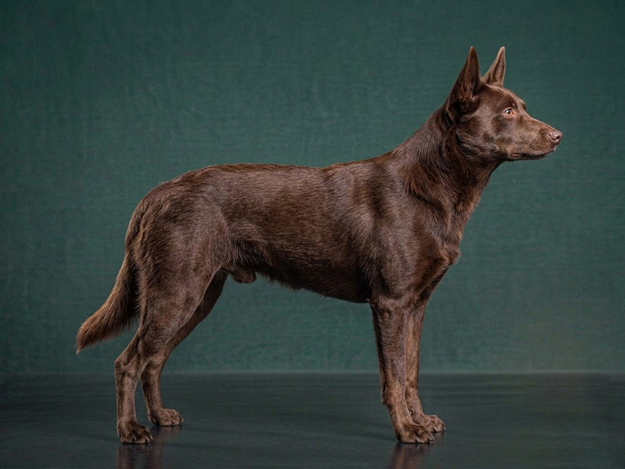
Dog Breed Info & Overview
Breed History
The Australian Kelpie developed in Australia from British working collies selected for heat tolerance, stamina, and independent stock work. It became essential on large sheep stations, where dogs needed to cover long distances and respond to subtle commands. Its history created a tireless, practical herder with sharp instincts.
Characteristics
The Australian Kelpie is medium-sized, lean, and extremely agile. It is known for speed, endurance, intelligence, and the ability to work livestock with little direction. This breed needs intense exercise and mental work. It excels in herding, agility, obedience, running, and active homes that give it real purpose.
Temperament
Australian Kelpies are alert, loyal, quick-thinking, and driven. They often bond strongly with handlers and respond well to clear cues. Without enough work, they may become restless or obsessive. Early training should focus on impulse control, recall, and calm behavior around moving people, animals, and vehicles.
Personality
This breed has a focused, energetic personality and often seems happiest when solving a problem. It enjoys training, movement, and being useful. Many Kelpies are affectionate with trusted people but not content as couch-only companions. They need owners who enjoy daily engagement and appreciate a busy working mind.
Physical Characteristics
The Australian Kelpie has a compact athletic frame, pricked ears, deep chest, and short weather-resistant coat. Colors include black, red, chocolate, blue, fawn, and tan patterns. Its light-footed movement and flexible body allow quick turns, long runs, and efficient herding across wide open country.
Health Issues
Australian Kelpies are generally hardy, but possible concerns include hip dysplasia, eye problems, cerebellar abiotrophy, joint strain, and injuries from intense work. Responsible breeding, lean condition, safe conditioning, eye checks, rest days, and regular veterinary care help maintain performance and long-term health.
Right For You?
The Australian Kelpie is right for owners who want an energetic worker and enjoy training every day. It is not ideal for inactive households or people wanting a relaxed lap dog. With purpose, exercise, and steady leadership, it becomes an outstanding partner for work, sport, and adventurous living.
Frequently Asked Questions
Q1. Is the Australian Kelpie a good family dog for active homes that enjoy training and outdoor routines?
Ans. Yes, it can be a loyal family dog when its energy and herding instincts are managed. It needs exercise, training, and mental work every day. Families should supervise young children because the breed may chase or herd fast movement if not taught better habits.
Q2. Can an Australian Kelpie live in an apartment if it gets long walks, runs, and dog sports every day?
Ans. Apartment living is difficult but possible for very dedicated owners. A Kelpie needs vigorous exercise, training, and tasks that challenge its brain. Without work, it may bark, pace, chew, or become anxious. Access to sports, running, and outdoor space is highly helpful.
Q3. How much exercise does an Australian Kelpie need to stay calm, healthy, and focused each day?
Ans. Most Australian Kelpies need a demanding daily routine with running, training, and mental challenges, often totaling 90 minutes or more. Herding, agility, obedience, fetch, and problem-solving games are excellent. Short walks alone rarely satisfy this breed during active years.
Q4. Is the Australian Kelpie easy to train for owners who want a smart and responsive working dog?
Ans. It is highly trainable for people who enjoy active handling. The breed learns quickly and reads body language well, but it can also become bored with dull repetition. Short, purposeful sessions, rewards, consistency, and real jobs bring out its best behavior.
Q5. What health problems should Australian Kelpie owners watch for from puppyhood through adult working life?
Ans. Owners should watch for hip dysplasia, eye conditions, cerebellar abiotrophy, joint strain, and work-related injuries. Lean weight, gradual conditioning, responsible breeding, safe exercise surfaces, rest periods, and routine veterinary exams help protect long-term soundness.