
Dog Breed Info & Overview
Breed History
Despite its name, the Australian Shepherd was refined in the United States, especially in Western ranching communities. It likely developed from European herding dogs connected with Basque shepherds and became prized for versatility around livestock. Rodeo performers later helped showcase its intelligence, agility, and trainability.
Characteristics
The Australian Shepherd is a medium, athletic herding dog with high intelligence and strong work drive. It is known for colorful coats, sharp focus, and versatility in sports, ranching, service work, and active homes. This breed needs exercise and brain work every day to stay calm and well behaved.
Temperament
Australian Shepherds are loyal, eager, energetic, and often reserved with strangers. They bond closely with family and may try to herd children, pets, or moving objects. Early socialization and impulse-control training are essential. They respond best to owners who are consistent, upbeat, and mentally engaging.
Personality
This breed has a bright, busy personality and likes being involved in everything. Many Aussies are affectionate, funny, and highly responsive to their people. They enjoy learning tricks, routines, and complex tasks. Without enough enrichment, their cleverness can turn into barking, shadow chasing, or household mischief.
Physical Characteristics
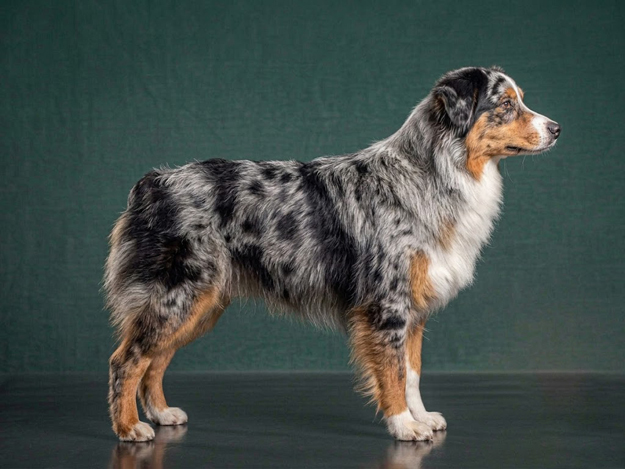
The Australian Shepherd has a balanced medium body, expressive eyes, triangular ears, and a weather-resistant double coat. Colors include blue merle, red merle, black, and red, often with white or tan markings. Some have naturally bobbed tails. The breed moves smoothly, showing agility and endurance.
Health Issues
Australian Shepherds may face hip dysplasia, elbow issues, epilepsy, cataracts, progressive retinal atrophy, drug sensitivity linked to MDR1, and allergies. Responsible breeders test eyes, joints, and genetics. Owners should maintain lean weight, regular grooming, safe exercise, and routine veterinary care throughout life.
Right For You?
The Australian Shepherd is right for owners who want an intelligent partner and enjoy daily activity. It is not ideal for inactive households or people away all day without enrichment plans. With training, exercise, and companionship, it becomes a loyal, athletic, and deeply rewarding family dog.
Frequently Asked Questions
Q1. Is the Australian Shepherd a good family dog for active homes with children and daily training time?
Ans. Yes, it can be an excellent family dog when its energy and herding instincts are managed. It is affectionate and loyal but may chase or herd children if undertrained. Families should provide exercise, mental work, socialization, and supervision during active play.
Q2. Can an Australian Shepherd live in an apartment if it gets exercise, training, and mental stimulation?
Ans. Apartment living can work for very active owners, but it is not ideal for every Aussie. The breed needs daily exercise, training, and enrichment. Without enough outlets, barking, restlessness, and destructive behavior may appear. Dog sports and structured routines help greatly.
Q3. How much grooming does an Australian Shepherd need with its double coat and seasonal shedding?
Ans. The coat needs brushing several times a week, with extra grooming during seasonal shedding. Mats can form behind ears, around legs, and under the tail. Owners should also trim nails, check ears, maintain dental care, and avoid shaving the double coat unless medically necessary.
Q4. Is the Australian Shepherd easy to train for first-time owners who want a smart and eager dog?
Ans. It is very trainable, but not always easy for first-time owners. Aussies learn quickly and need consistent guidance. They may become demanding if underworked. Positive reinforcement, short sessions, impulse-control games, and early socialization help shape a confident companion.
Q5. What health problems should Australian Shepherd owners watch for from puppyhood through senior years?
Ans. Owners should watch for hip and elbow dysplasia, eye disease, epilepsy, allergies, and MDR1 drug sensitivity. Health-tested breeders, genetic awareness, lean weight, safe exercise, regular eye checks, and routine veterinary care help support long-term health.