
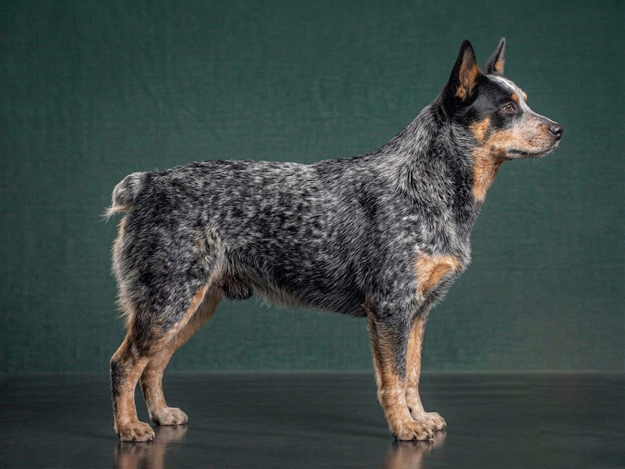
Dog Breed Info & Overview
Breed History
The Australian Stumpy Tail Cattle Dog developed in Australia as a hard-working cattle dog with a natural bobtail. It shares history with early herding dogs shaped for harsh land, heat, and demanding stock work. Selection favored toughness, independence, and the ability to move cattle efficiently over long distances.
Characteristics
The Australian Stumpy Tail Cattle Dog is compact, square, and athletic, with intense focus and strong herding drive. It is not simply a tailless version of another breed; it has its own type and working style. This breed needs exercise, training, and mental challenges to stay balanced and manageable.
Temperament
Stumpy Tail Cattle Dogs are loyal, alert, bold, and often reserved with strangers. They can be deeply attached to family while remaining watchful and independent. Early socialization helps prevent excessive suspicion. Training should channel herding instincts into useful tasks and teach calm behavior around movement.
Personality
This breed has a no-nonsense working personality, yet it can be affectionate with trusted people. It enjoys learning, problem-solving, and having a daily role. Without enough structure, it may herd children, chase vehicles, bark, or become stubborn. Owners who enjoy active partnership usually appreciate its grit.
Physical Characteristics
The Australian Stumpy Tail Cattle Dog has a medium, square body, pricked ears, sturdy legs, and a naturally short tail. Its short double coat is usually blue or red speckled. The breed looks lean and practical, built for endurance, heat tolerance, and quick movement while controlling cattle.
Health Issues
This breed may face deafness, progressive retinal atrophy, hip dysplasia, elbow issues, and injuries from hard work. Responsible breeding and health testing are important. Owners should support lean weight, safe conditioning, hearing and eye checks, dental care, and routine veterinary visits for long-term soundness.
Right For You?
The Australian Stumpy Tail Cattle Dog is right for active owners who want a serious herding companion. It is not ideal for inactive homes, weak routines, or owners wanting a soft couch dog. With daily work, training, and leadership, it becomes loyal, capable, and impressively dependable.
Frequently Asked Questions
Q1. Is the Australian Stumpy Tail Cattle Dog a good family dog for active homes with training experience?
Ans. Yes, it can be loyal and protective with family when raised with structure and exercise. It is best for active homes that understand herding behavior. Supervision around young children is important because the breed may nip, chase, or try to control movement.
Q2. Can an Australian Stumpy Tail Cattle Dog live in an apartment with enough walks and mental work?
Ans. Apartment life is difficult for this intense working breed. It needs vigorous exercise, mental tasks, and space to release energy. Without a job or structured activity, it may bark, chew, pace, or become reactive. Active rural or suburban homes are usually better.
Q3. How is the Australian Stumpy Tail Cattle Dog different from the Australian Cattle Dog in daily life?
Ans. The Stumpy Tail is a distinct breed with a naturally short tail, squarer body, and its own working style. Both breeds are energetic and intelligent, but the Stumpy may appear more reserved and independent. Owners should not choose it only for appearance; its work drive is serious.
Q4. How much exercise does an Australian Stumpy Tail Cattle Dog need to stay calm and well behaved?
Ans. Most need at least 90 minutes of vigorous exercise daily, plus mental work. Herding, running, obedience, agility, fetch, and problem-solving tasks are excellent. A short walk is not enough for this breed, especially during adolescence or active working years.
Q5. What health problems should Australian Stumpy Tail Cattle Dog owners watch for as the breed matures?
Ans. Owners should watch for deafness, progressive retinal atrophy, hip and elbow problems, dental issues, and work-related injuries. Health-tested breeding, lean condition, eye and hearing checks, safe exercise, and routine veterinary care help protect long-term health.