KCI Registered

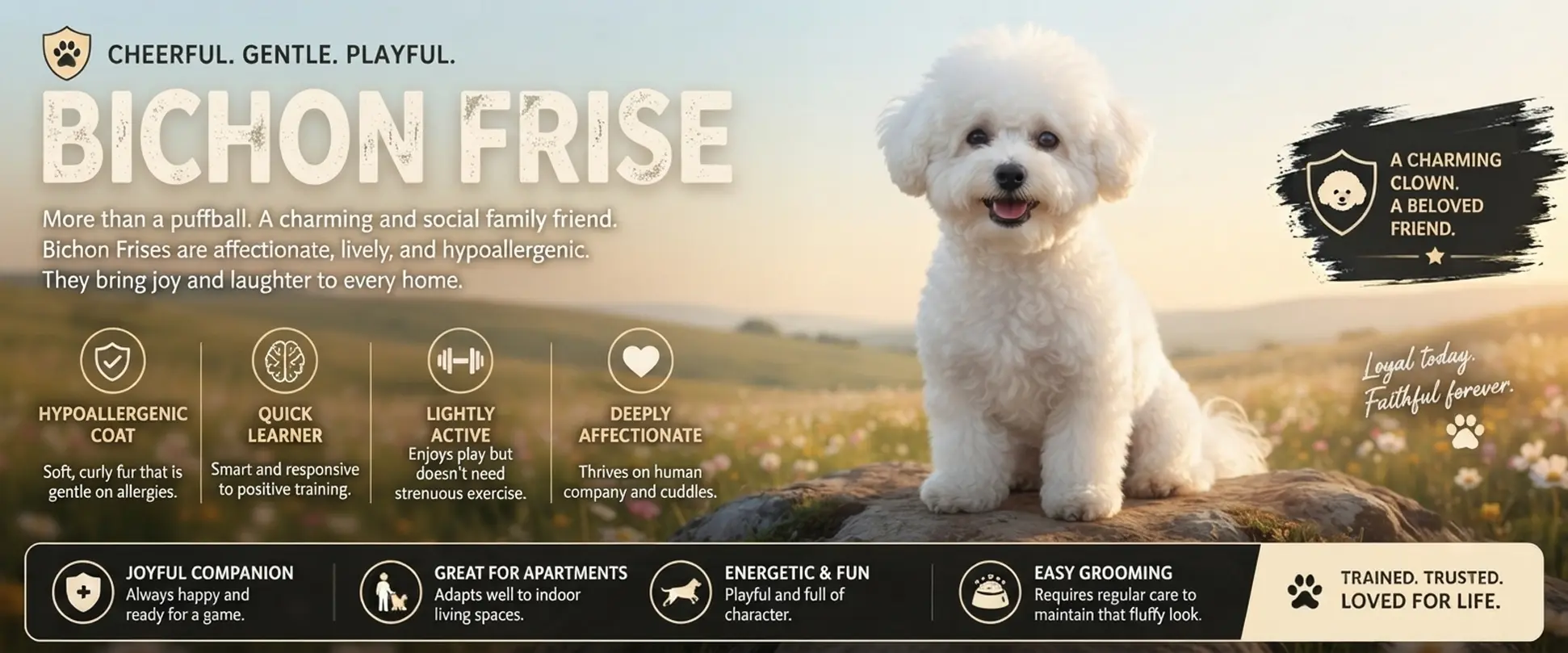
Bichon Frise is a cheerful, affectionate and charming companion breed known for its soft white coat and friendly personality. Petoris Global helps buyers understand Bichon Frise temperament, puppy health, grooming needs, early socialisation and the care required to raise a happy, well-adjusted family companion.
A Bichon Frise puppy can bring warmth and playfulness into a home, but regular grooming, gentle training and daily attention are important from the beginning. For clear guidance on choosing the right puppy, speak with Petoris Global at 9211640618.


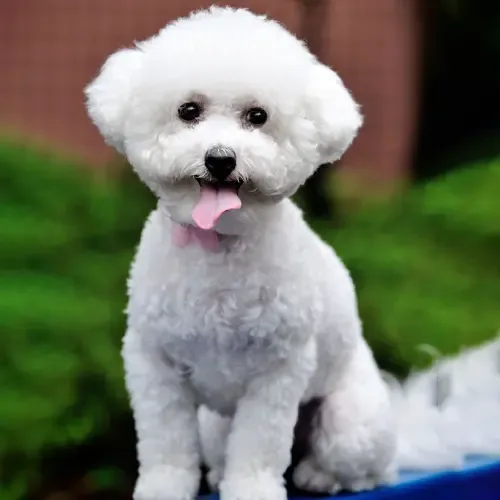
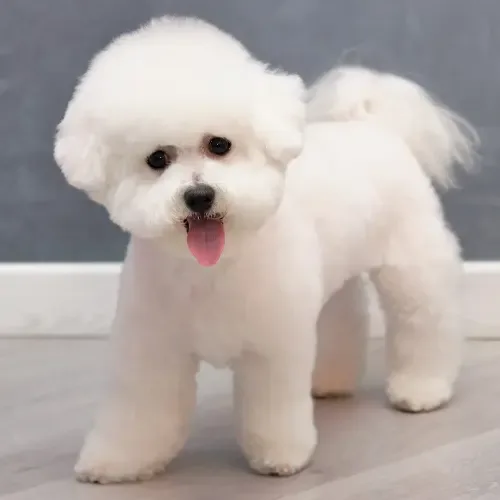
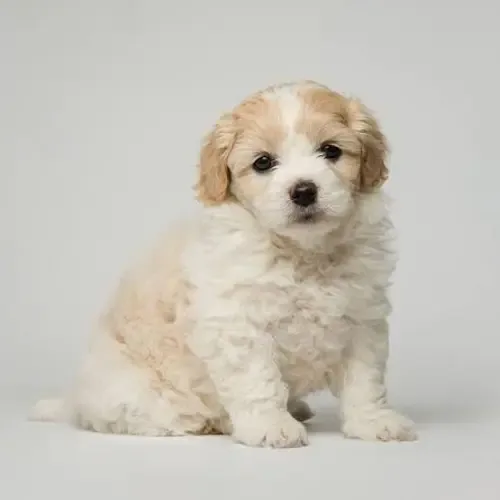
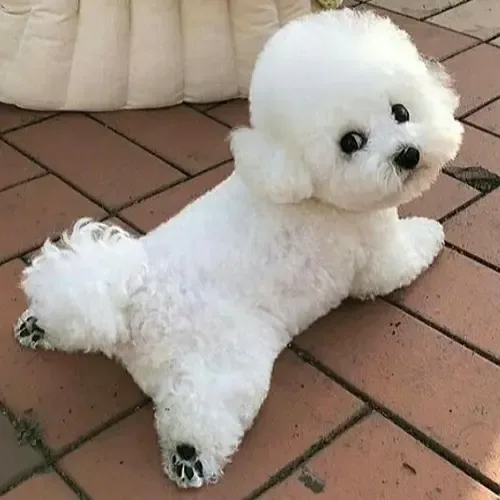
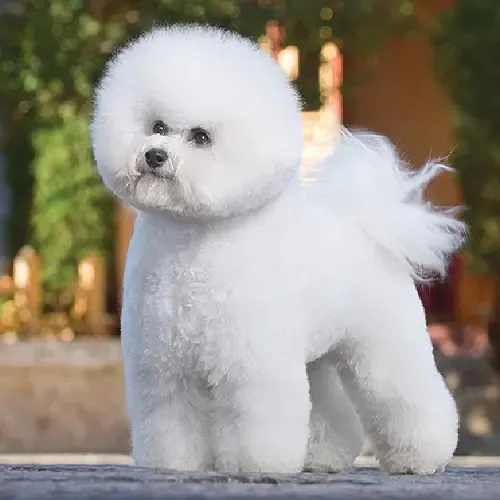
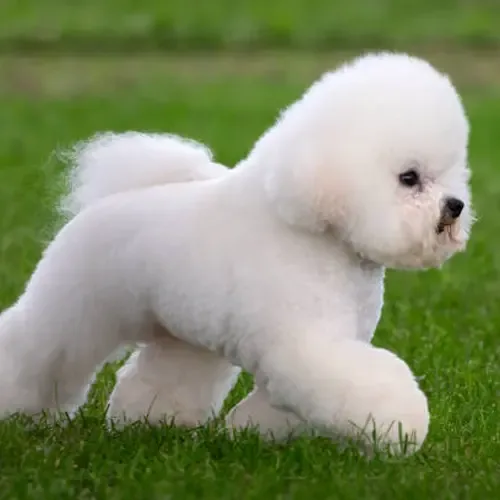
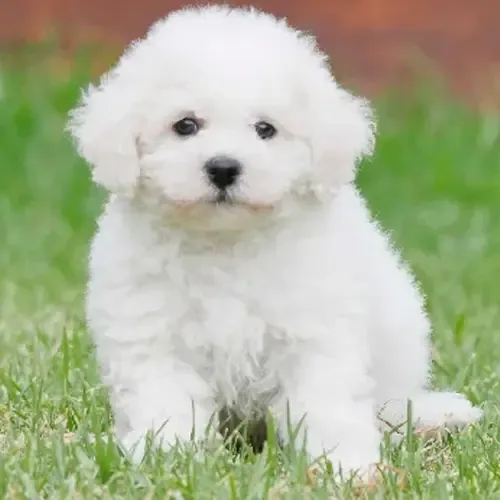
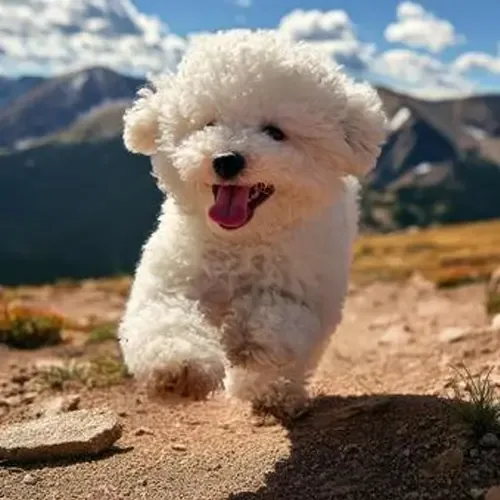
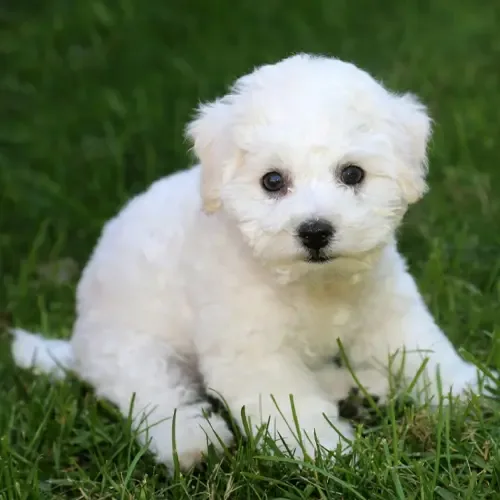
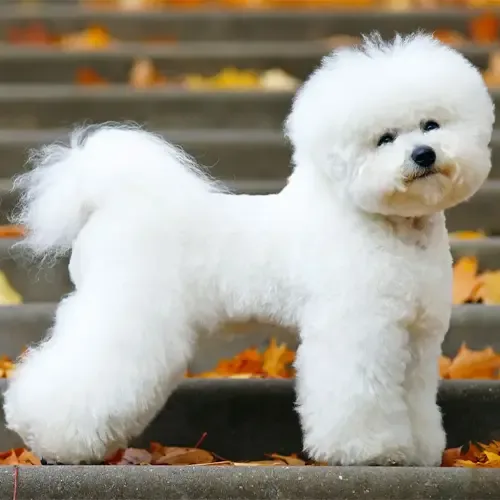
Choosing a Bichon Frise puppy is a lovely decision for people looking for a small, cheerful and people-friendly companion. Petoris Global helps buyers understand puppy age, health, vaccination details, coat condition, temperament and early care before selection. Bichon Frise puppies for sale should be checked for clear eyes, clean ears, healthy skin, comfortable movement and a playful response to people. This breed needs regular grooming and gentle attention, so we explain the practical care involved before you decide. For guidance, call 9211640618.
Bichon Frise puppies can differ in gender, age, coat texture, face shape, activity level and individual personality. Some buyers prefer a calm and cuddly puppy, while others enjoy a more playful companion that loves interaction. Petoris Global helps you understand these natural differences without exaggerated promises. We discuss each puppy’s health, temperament, grooming needs and suitability for your daily routine before selection. The right Bichon Frise puppy should be chosen for its comfort with people, healthy development and the care you can provide.
Bichon Frise puppy price may vary because of age, health care, coat quality, vaccination records, bloodline, grooming attention and the standard of early upbringing. A very low price can sometimes mean incomplete health support, poor hygiene or insufficient early care, so buyers should ask practical questions before booking. Petoris Global explains why Bichon Frise puppies for sale can have different prices and helps you focus on quality, health and long-term value rather than only the lowest amount. For support, call 9211640618.
A healthy Bichon Frise puppy should have bright eyes, clean ears, healthy skin, a soft clean coat, balanced movement and a friendly, comfortable response to people. Quality is not decided by whiteness of coat alone. Correct age, hygiene, nutrition, veterinary care and early socialisation all influence healthy development. Petoris Global helps buyers understand these practical quality markers before choosing. This makes it easier to avoid puppies that look attractive in photographs but may not have received the right grooming, health care or attention.
Petoris Global gives buyers simple, honest guidance before they choose a puppy. With Bichon Frise puppies, we explain grooming needs, feeding basics, socialisation, playful temperament, daily care and important health checks in clear language. Our team helps you consider whether your routine can support a small companion that enjoys close family interaction and regular coat care. We encourage informed decisions instead of rushed bookings. For trusted Bichon Frise puppies for sale guidance, contact Petoris Global at 9211640618.
If you plan to buy a Bichon Frise puppy, choose only after understanding that this breed thrives on companionship, gentle care, regular grooming and a predictable home routine. With the right attention, a Bichon Frise can become a joyful, affectionate and closely bonded family companion. Petoris Global supports buyers with puppy quality knowledge and practical selection guidance, helping you make a confident long-term decision. To discuss available Bichon Frise puppies for sale, call 9211640618.
Know the average price of Bichon Frise puppies in your city.
| City | Price |
|---|---|
| Bichon Frise Price In Delhi NCR | INR 50,000 to INR 130,000 |
| Bichon Frise Price In Noida | INR 50,000 to INR 130,000 |
| Bichon Frise Price In Gurugram | INR 50,000 to INR 130,000 |