KCI Registered
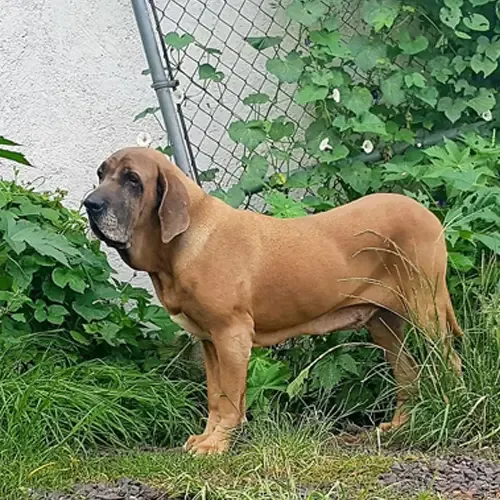


Brazilian Mastiff is a large, serious and deeply loyal breed for people who value a strong bond and can offer calm, experienced handling. Petoris Global shares practical guidance on this breed’s nature, puppy development, health signs and early socialisation, so the choice is made with understanding rather than excitement alone.
This is not a puppy to select simply for its powerful look. A Brazilian Mastiff grows quickly and needs boundaries, space, patient training and responsible care. To discuss suitability and available puppy details, call Petoris Global at 9211640618.


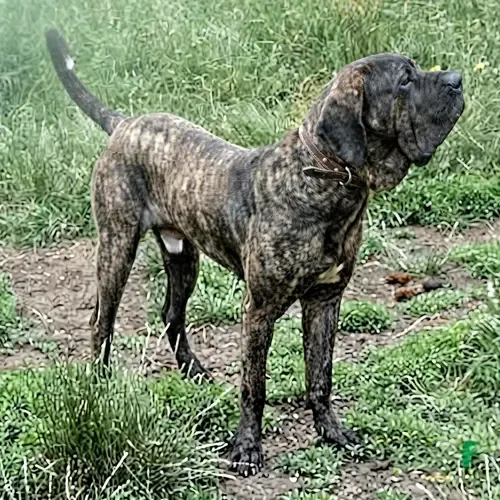


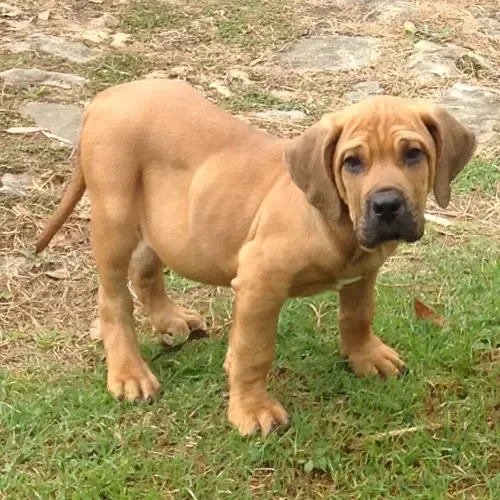



A Brazilian Mastiff puppy can become a devoted companion, but this breed asks for mature ownership from day one. Before choosing, look at more than size or colour: notice the puppy’s comfort around people, movement, skin, eyes, appetite, age and vaccination record. Brazilian Mastiff puppies for sale should come with clear information about their early care and handling. Petoris Global guides you through the questions that matter, including whether your routine, space and experience are right for such a strong breed. Speak to our team at 9211640618.
Every Brazilian Mastiff puppy develops its own personality. One may be quietly observant, another more playful, while some show a naturally confident presence from an early age. Differences can also appear in gender, coat shade, frame, age and overall build. Petoris Global discusses these details openly instead of presenting every puppy as identical. We help you look for a stable, healthy puppy whose energy and temperament fit your home. The aim is to choose a companion you can guide responsibly as it grows.
The price of a Brazilian Mastiff puppy reflects far more than its size. Age, health monitoring, vaccination records, nutrition, body development, bloodline and the quality of early care can all affect the final amount. An unusually cheap offer deserves careful questions, especially if health details or puppy history are unclear. Petoris Global explains these value factors in a straightforward way, helping you compare Brazilian Mastiff puppies for sale with confidence. For personal price and quality guidance, call 9211640618.
A well-raised Brazilian Mastiff puppy should appear alert without being constantly fearful, move with balance, have clean ears, clear eyes, healthy skin and a coat in good condition. Strong bones and a broad frame matter, but they should develop naturally with age rather than through exaggerated weight. Good hygiene, suitable nutrition, routine veterinary care and early human contact all influence quality. Petoris Global encourages buyers to examine these real signs, helping them avoid a decision based only on dramatic photographs or oversized claims.
Petoris Global keeps the conversation honest and practical. For a breed as powerful as the Brazilian Mastiff, we discuss ownership responsibility, daily handling, socialisation, feeding, exercise and the importance of consistent training. You receive guidance that considers your lifestyle, not just a sales message. Our team is available to explain what to check before choosing and what long-term care may involve. For reliable Brazilian Mastiff puppies for sale guidance, contact Petoris Global at 9211640618.
Buying a Brazilian Mastiff puppy makes sense when you are ready to invest time, patience and steady leadership. This breed can be affectionate and devoted with its family, but it needs responsible direction while growing into a large adult dog. Petoris Global helps you evaluate puppy health, temperament and care expectations before you commit. That clarity can make the difference between an impulsive purchase and a lasting, well-prepared relationship. To discuss Brazilian Mastiff puppies for sale, call 9211640618.
Know the average price of Brazilian Mastiff puppies in your city.
| City | Price |
|---|---|
| Brazilian Mastiff Price In Delhi NCR | INR 60,000 to INR 180,000 |
| Brazilian Mastiff Price In Noida | INR 60,000 to INR 180,000 |
| Brazilian Mastiff Price In Gurugram | INR 60,000 to INR 180,000 |