
Dog Breed Info & Overview
Breed History
The Bruno Jura Hound comes from the Jura Mountains along the French-Swiss border, where hunters used it to track hare, fox, and small deer. Closely related to other Swiss and French hounds, it was valued for following faint scent in difficult terrain. Its history remains tied to practical hunting work.
Characteristics
The Bruno Jura Hound is a medium scent hound with endurance, focus, and a smooth short coat. It is usually black and tan or rich brown, with a noble hound expression. This breed needs exercise, scent-based enrichment, and secure handling, because its tracking instincts can be stronger than casual recall.
Temperament
Bruno Jura Hounds are typically gentle, loyal, persistent, and alert. They can be affectionate with family while remaining determined in the field. Their stable nature makes them pleasant companions for active homes, but they still need socialization and training to manage barking, independence, and scent distraction.
Personality
This breed has a calm but purposeful personality. It enjoys companionship, outdoor work, and following scent trails. A Bruno Jura Hound may seem relaxed indoors after exercise, yet it becomes highly focused outside. Owners who combine kindness, patience, and clear routines usually see the best behavior.
Physical Characteristics
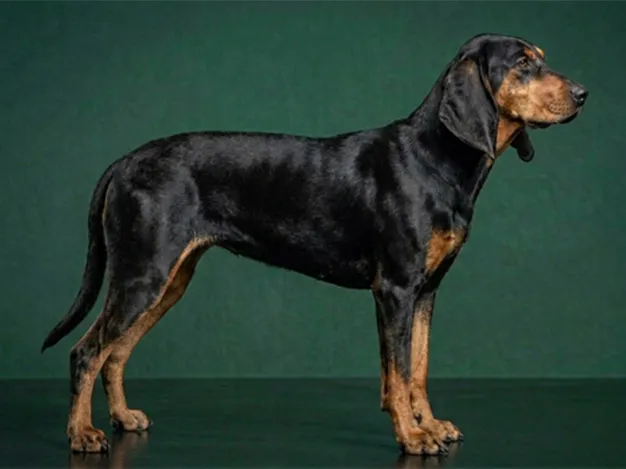
The Bruno Jura Hound has a medium, athletic body, long ears, deep chest, and short dense coat. Its color is commonly black and tan or warm brown without heavy white markings. The head is refined but strong, and the movement is efficient, showing the endurance needed for mountain hunting. Its outline is balanced and practical.
Health Issues
Bruno Jura Hounds are generally sturdy, but their ears and outdoor lifestyle need attention. Possible concerns include ear infections, allergies, eye irritation, joint strain, and injuries from rough terrain. Regular ear cleaning, fitness control, tick checks, and veterinary care help protect working condition.
Right For You?
The Bruno Jura Hound is right for owners who enjoy outdoor activity and understand scent hound instincts. It is not ideal for homes that expect perfect off-leash obedience without training. With exercise, secure fencing, scent games, and patient handling, it can be a loyal and enjoyable companion. It rewards owners who enjoy classic hound work.
Frequently Asked Questions
Q1. Is the Bruno Jura Hound a good family dog for active homes that enjoy hiking and outdoor routines daily?
Ans. Yes, the Bruno Jura Hound can be a pleasant family companion when its exercise and scenting needs are met. It is often gentle and loyal with familiar people. Because it is a hunting hound, families should provide secure fencing, leash training, and supervision around small animals.
Q2. Can a Bruno Jura Hound live in an apartment if it gets enough walks, scent games, and outdoor time daily?
Ans. Apartment living may work only with a very active owner, but it is not the ideal setup. This breed was developed for hunting and tracking, so it needs space, long walks, and mental work. Without enough activity, it may bark, become restless, or follow scents without listening.
Q3. How much grooming does a Bruno Jura Hound need with its short coat and long hound ears each week daily?
Ans. The short coat is easy to maintain with weekly brushing and occasional bathing. The long ears need more attention because they can trap moisture and debris. Owners should check and clean ears regularly, trim nails, inspect paws after outdoor trips, and keep dental care consistent.
Q4. Is the Bruno Jura Hound easy to train compared with other scent hounds and independent hunting dogs?
Ans. It is trainable, especially with patience and rewards, but scent hounds can be independent outdoors. The Bruno Jura Hound may focus more on a trail than on a command. Recall practice, leash manners, food rewards, and scent-based games make training more practical and enjoyable.
Q5. Does the Bruno Jura Hound have a strong prey drive around cats, small pets, and wildlife outdoors daily?
Ans. Yes, the Bruno Jura Hound may have a strong prey drive because of its hunting background. It can chase wildlife or small animals when scent or movement triggers interest. Early socialization helps, but secure fencing, leash control, and careful introductions remain important.