
Dog Breed Info & Overview
Breed History
The Bucovina Shepherd comes from the Bucovina region of Romania, where shepherds used it to guard flocks, herds, and rural homes. Shaped by mountain life and predator pressure, the breed became large, brave, and independent. Its modern type reflects long selection for protection, loyalty, and endurance.
Characteristics
The Bucovina Shepherd is a giant livestock guardian with a calm presence, deep bark, and strong territorial instinct. It is loyal to family and serious about protection. This breed needs space, secure fencing, and respectful training. Its heavy coat and independent mind make it best for experienced owners.
Temperament
Bucovina Shepherds are balanced, loyal, calm, and protective. They are often gentle with family, including children, but naturally wary of strangers entering their territory. Socialization should begin early so the dog can judge situations wisely. Firm, fair guidance is more effective than force. Its calm confidence needs steady handling.
Personality
This breed has a steady, watchful personality shaped by livestock guarding. It can be affectionate with its people, yet it also likes to patrol and make decisions independently. A Bucovina Shepherd does not need constant fuss, but it does need respect, routine, and a clear role within the home or property.
Physical Characteristics
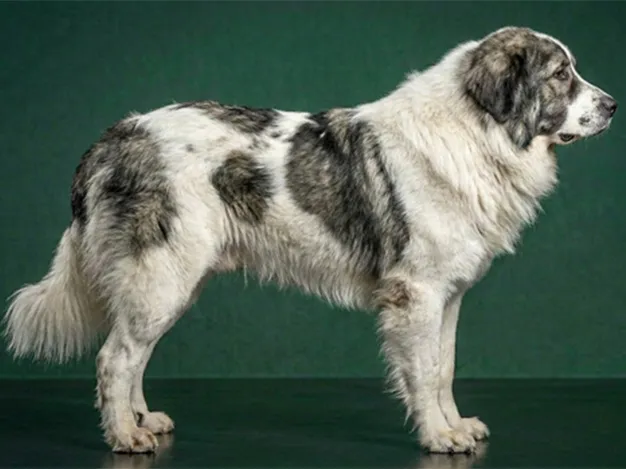
The Bucovina Shepherd is large, proud, and powerful, with a massive head, strong body, bushy tail, and abundant coat. The coat is usually white or white-beige with gray, black, or fawn patches. Its long outer coat, thick undercoat, and mane help protect it in harsh outdoor conditions. Its presence is imposing.
Health Issues
Bucovina Shepherds may be hardy, but giant breeds need careful management. Possible concerns include hip and elbow dysplasia, bloat, joint stress, ear issues, skin problems, and weight gain. Controlled growth, measured meals, grooming, moderate exercise, and routine vet care support long-term health.
Right For You?
The Bucovina Shepherd is right for owners with land, experience, and a need for a serious guardian. It is not ideal for apartments, weak fencing, or highly social homes with constant visitors. With patient training and early socialization, it can be a devoted protector and gentle family companion. Ownership is a serious commitment.
Frequently Asked Questions
Q1. Is the Bucovina Shepherd a good family dog for homes with children, land, and guardian breed experience?
Ans. Yes, the Bucovina Shepherd can be gentle and devoted with family when raised well. It is especially suited to homes with land and experienced owners. Because of its size and protective nature, children should be taught respectful behavior, and all interactions with young children should be supervised.
Q2. Can a Bucovina Shepherd live in an apartment, or does this Romanian guardian need a large property daily?
Ans. Apartment life is not recommended. The Bucovina Shepherd is a giant livestock guardian that needs space, secure fencing, and a clear role. It is happiest on rural properties, farms, or large homes where it can patrol calmly. Tight spaces and constant visitors can create stress.
Q3. How much grooming does a Bucovina Shepherd need to manage its thick coat and seasonal shedding weekly?
Ans. The thick coat needs brushing several times a week, with extra work during seasonal shedding. Owners should check for mats behind the ears, around the mane, and on the legs. Regular nail trimming, ear checks, and skin inspections are important, especially for dogs living outdoors.
Q4. Is the Bucovina Shepherd easy to train for first-time owners who want a calm but protective dog daily?
Ans. No, it is better for experienced owners. The Bucovina Shepherd is intelligent and loyal, but it was bred to think independently while guarding. Training should be calm, consistent, and respectful. Early socialization is essential so protective instincts do not become excessive.
Q5. What health problems should Bucovina Shepherd owners watch for as this giant breed grows and ages daily?
Ans. Owners should watch for hip and elbow dysplasia, bloat, joint strain, obesity, skin irritation, and mobility changes. Giant puppies need controlled growth and safe exercise. Measured meals, lean weight, routine vet checks, and avoiding hard activity after eating help reduce risk.