
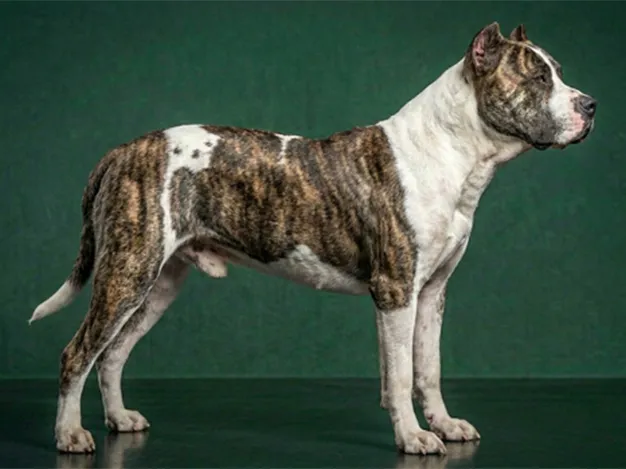
Dog Breed Info & Overview
Breed History
The Bull Arab was developed in Australia during the 1970s as a practical hunting and working dog. Breeders blended Bull Terrier courage, Greyhound speed, and German Shorthaired Pointer stamina to create a strong, versatile dog for wild pig hunting. Over time, its loyalty and protective instincts also made it valued as a rural guardian and active family companion.
Characteristics
The Bull Arab is a large, athletic, high-energy breed with a strong working background. It is known for endurance, courage, intelligence, and steady loyalty when properly trained. This breed needs space, daily exercise, and a secure yard. Its short coat is simple to maintain, but its mental and physical needs are best suited to committed owners.
Temperament
Bull Arabs are loyal, brave, alert, and deeply attached to their people. They can be calm indoors after enough activity, yet they remain watchful around unfamiliar situations. Early socialization helps them become confident rather than overly protective. With consistent guidance, they show a balanced mix of courage, affection, and dependability.
Personality
This breed has a serious working side, but it also forms warm bonds with trusted family members. Many Bull Arabs enjoy being close to their owners and may act like shadow dogs around the home. They respond well to purposeful tasks, praise, and routine. Without enough engagement, their strong mind and body can turn into restlessness or unwanted behavior.
Physical Characteristics
Built for power and stamina, the Bull Arab has a broad chest, muscular frame, strong legs, and a clean athletic outline. Its short, dense coat is usually white with tan, black, liver, or brindle markings. A deep muzzle, focused eyes, and confident movement reflect its hunting heritage, while its size gives it a strong guardian presence.
Health Issues
Bull Arabs are generally hardy, but large active dogs still need careful health management. Possible concerns include hip and elbow dysplasia, bloat, ear infections, skin irritation, and weight gain. Measured meals, lean conditioning, safe exercise timing, routine vet checks, and responsible breeding choices all support long-term health.
Right For You?
The Bull Arab is right for owners who have space, time, confidence, and an active lifestyle. It is not ideal for apartments, inactive homes, or people who want a low-effort companion. With training, exercise, and early socialization, this breed can become a loyal protector, outdoor partner, and affectionate family dog in the right environment.
Frequently Asked Questions
Q1. Is the Bull Arab a good family dog for active homes with children, daily structure, and outdoor space?
Ans. Yes, the Bull Arab can be a devoted family dog when raised with structure, socialization, and respectful handling. Its size and power mean play with young children should be supervised. It suits active homes that can provide space, exercise, training, and steady leadership every day.
Q2. Can a Bull Arab live comfortably in an apartment or small city home without a secure yard nearby daily?
Ans. Usually no. The Bull Arab is a large working breed that needs room to move, a secure yard, and serious daily exercise. In a small apartment, boredom can lead to barking, chewing, digging, or frustration. It does best in rural, suburban, or spacious homes with active owners.
Q3. How much daily exercise does a Bull Arab need to stay calm, fit, healthy, and well behaved at home daily?
Ans. Most Bull Arabs need at least 90 minutes of meaningful daily exercise, plus mental work. Long walks help, but running, hiking, fetch, obedience drills, scent games, and supervised off-leash time in safe areas are even better. Without this outlet, the breed may become restless or hard to manage.
Q4. Is the Bull Arab difficult to train for first-time dog owners or handlers without working breed experience?
Ans. Training is possible, but the Bull Arab is better for confident owners who understand large working dogs. It is intelligent and responsive, yet independent enough to test weak boundaries. Positive reinforcement, early obedience, calm leadership, and varied tasks create the best results.
Q5. Does the Bull Arab have a strong prey drive around cats, small pets, livestock, and wildlife outdoors?
Ans. Yes, many Bull Arabs have a strong prey drive because of their hunting background. Some may chase cats, rabbits, birds, or wildlife if not carefully managed. Early socialization helps, but secure fencing, leash control, and supervision are still important for safety.