KCI Registered
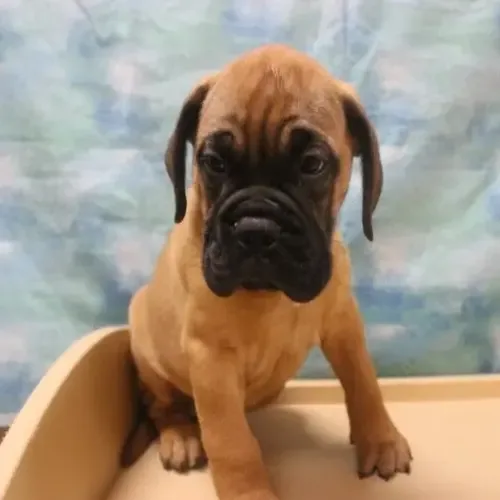

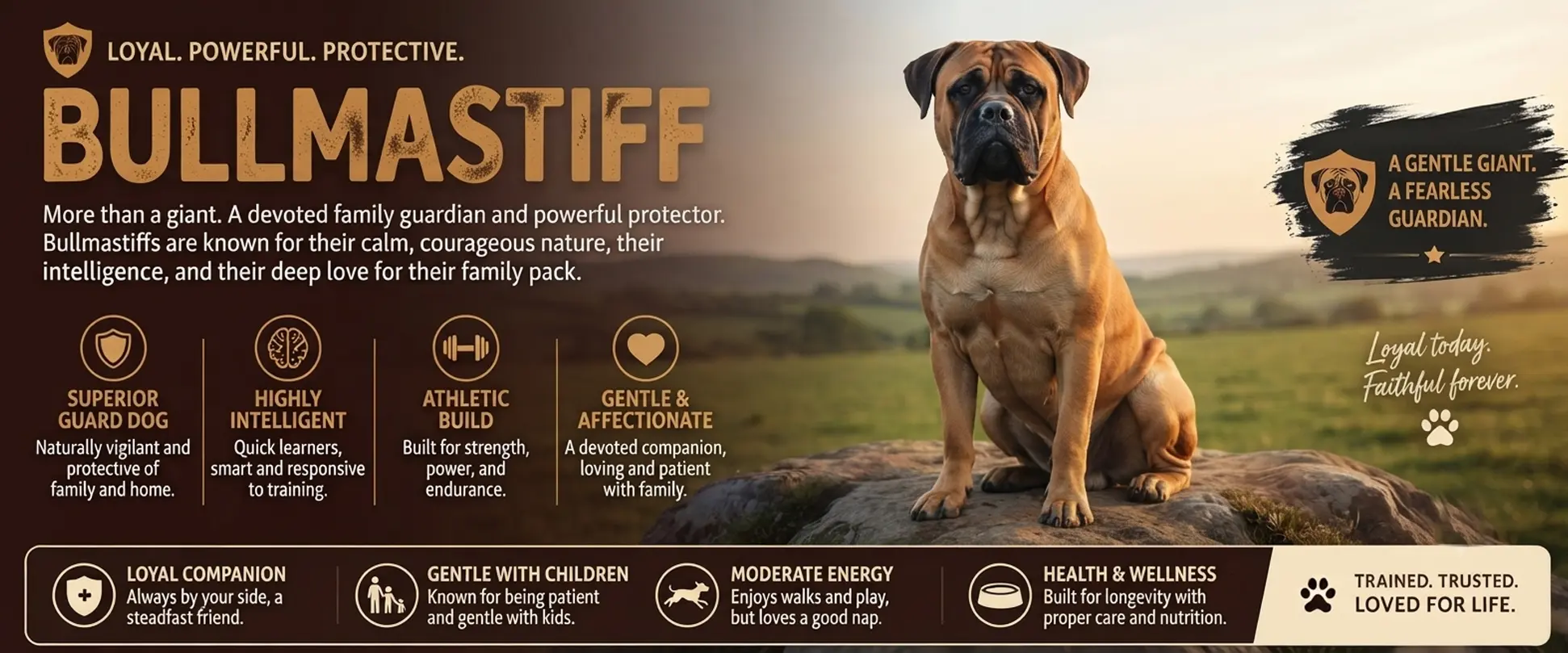
Bullmastiff is a calm, devoted and powerfully built companion breed for people who appreciate a steady nature and close family bond. Petoris Global helps buyers understand the breed beyond its impressive appearance, including puppy development, health signs, temperament, early socialisation and the responsible care needed as it grows.
A Bullmastiff puppy may be quiet and affectionate, but it will become a large adult that needs guidance, suitable space and consistent routines. Before choosing, it is worth understanding the commitment involved. For practical support, call Petoris Global at 9211640618.
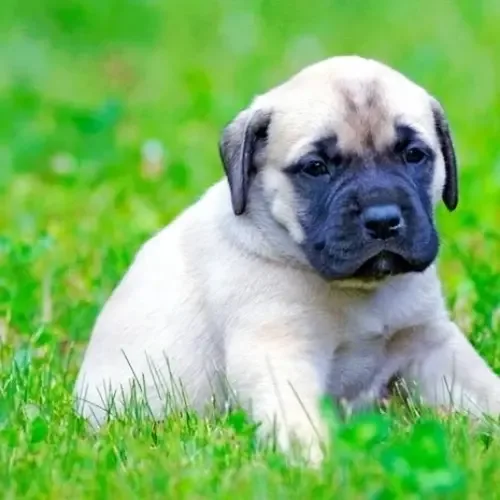
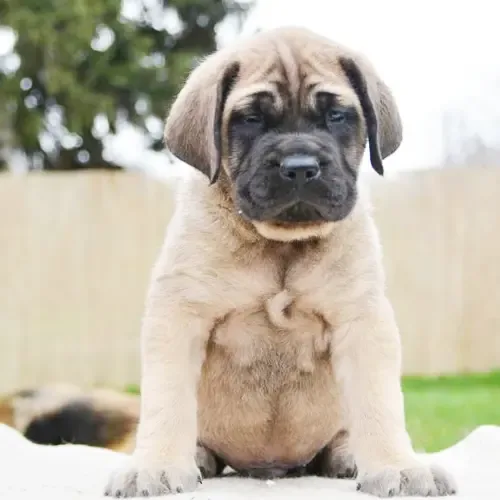
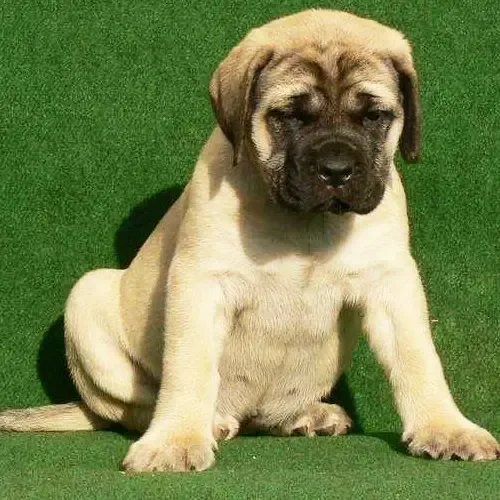
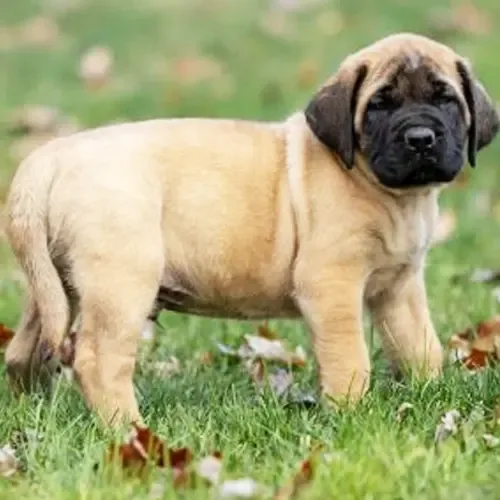
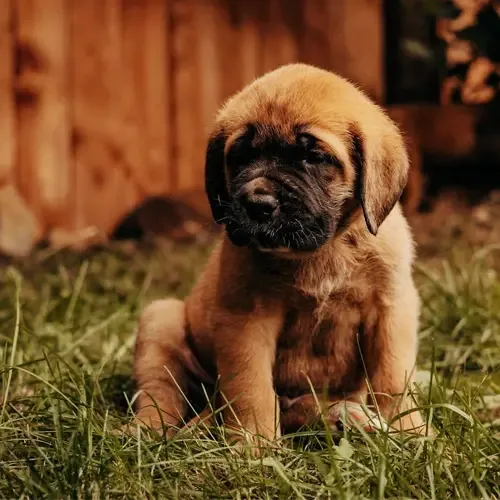
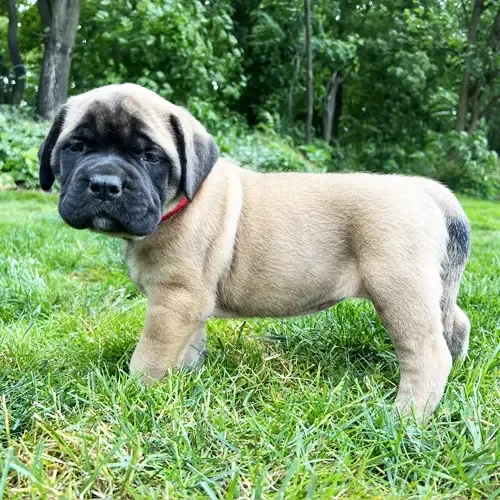
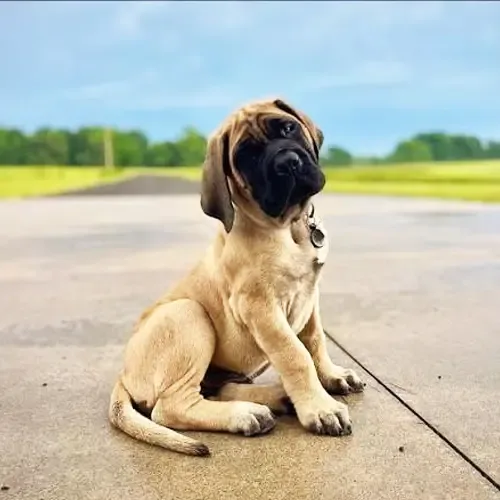
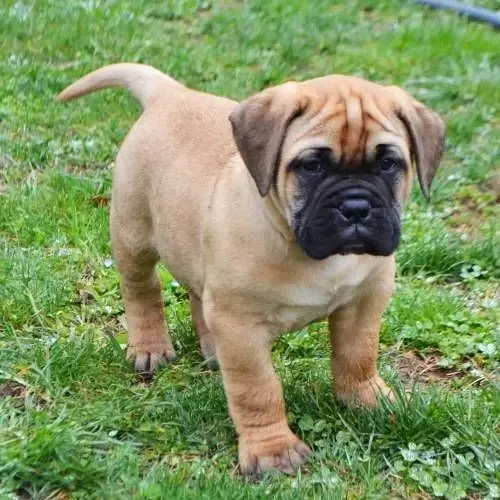
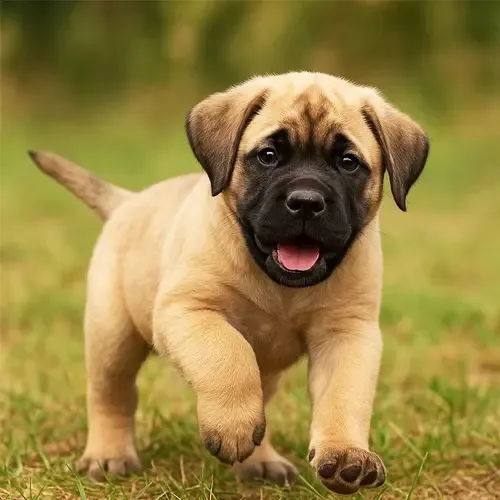
Choosing a Bullmastiff puppy should begin with an honest look at your routine, home environment and ability to guide a large dog calmly. This breed is often affectionate with its family, yet early socialisation and consistent manners are essential. Petoris Global helps buyers review the puppy’s age, movement, eyes, ears, skin, vaccination details and early care history before making a decision. Bullmastiff puppies for sale should be selected for stable development and comfort around people, not only for a heavy frame or broad face. Call 9211640618 for guidance.
Bullmastiff puppies can differ in gender, age, coat shade, facial markings, body frame and individual nature. One puppy may be more relaxed and observant, while another may be playful and curious. These differences are normal and should be considered alongside health and care needs. Petoris Global discusses the puppy’s temperament, development, grooming routine and expected size in a straightforward way. Rather than choosing only by colour or photos, buyers can focus on finding a healthy companion whose personality fits their household and ability to provide steady training.
Bullmastiff puppy price is influenced by several real factors, such as age, body development, health checks, vaccination history, nutrition, bloodline, coat and the quality of early care. A lower amount may seem appealing, but it is important to understand what support, records and care are included. Petoris Global explains these differences clearly so buyers can compare value with better awareness. When reviewing Bullmastiff puppies for sale, asking about health, feeding and early handling is more useful than deciding only by the first quoted price. For help, call 9211640618.
A well-raised Bullmastiff puppy should have clear eyes, clean ears, healthy skin, a neat coat, balanced legs and comfortable movement. A strong body is desirable, but it should develop naturally rather than appear forced by excess weight. Good nutrition, hygiene, vaccination, veterinary attention and calm human interaction during early weeks all contribute to a puppy’s future wellbeing. Petoris Global helps buyers understand these practical quality signs before selection. This can prevent a choice based on oversized claims or attractive photographs while important health details remain unclear.
Petoris Global believes large breeds deserve careful conversations before a buyer commits. With Bullmastiff puppies, we discuss feeding, socialisation, basic training, exercise, grooming and the responsibility of handling a growing dog. The goal is to help you understand the breed’s needs in everyday life, not to rush a booking. Our team shares clear guidance on what to check and what questions to ask before choosing. For dependable Bullmastiff puppies for sale information, contact Petoris Global at 9211640618.
Buying a Bullmastiff puppy can be a rewarding choice for someone ready to provide patience, routine and responsible leadership. This breed can be gentle, loyal and deeply connected to its family when raised with proper care and early training. Petoris Global supports buyers with practical puppy information, quality knowledge and selection guidance before they make a long-term commitment. To discuss available Bullmastiff puppies for sale and find a suitable companion, call 9211640618.
Know the average price of Bullmastiff puppies in your city.
| City | Price |
|---|---|
| Bullmastiff Price In Delhi NCR | INR 45,000 to INR 110,000 |
| Bullmastiff Price In Noida | INR 45,000 to INR 110,000 |
| Bullmastiff Price In Gurugram | INR 45,000 to INR 110,000 |