KCI Registered
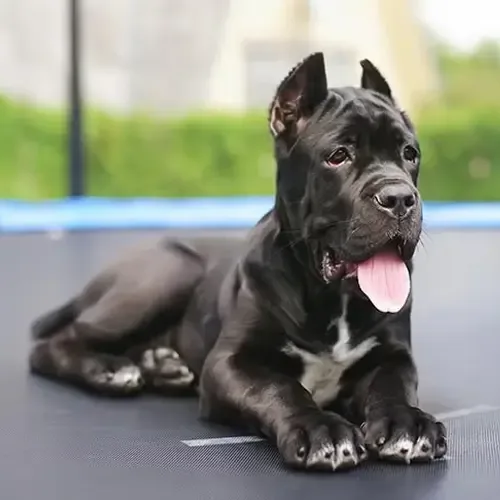


Cane Corso is a confident, intelligent and strongly built companion breed for owners who value loyalty, structure and calm leadership. Petoris Global helps buyers understand the breed’s personality, puppy health, body development, early socialisation and the responsibility involved in raising a large, capable dog.
A Cane Corso puppy can grow into a deeply devoted family companion, but it needs clear boundaries, patient training and consistent care from an early age. Before making a decision, speak with Petoris Global at 9211640618 for practical puppy guidance.

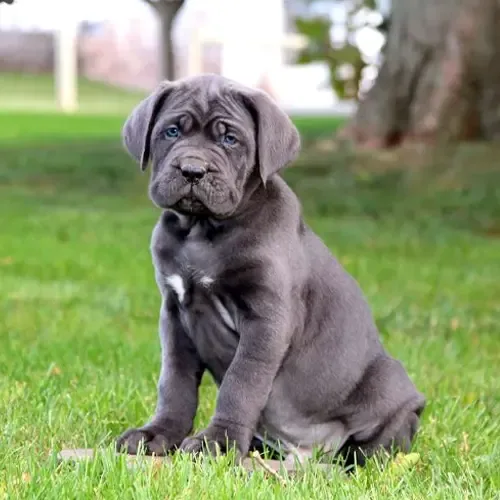
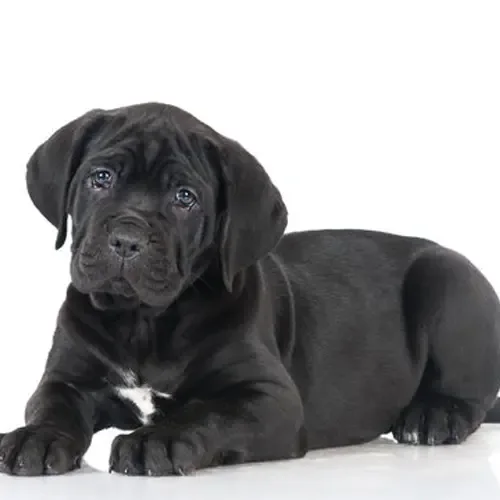
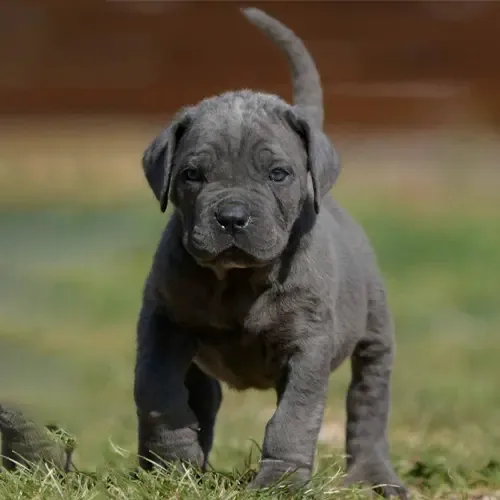


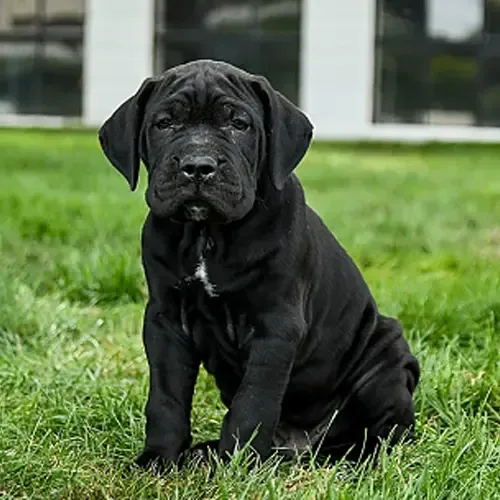


Choosing a Cane Corso puppy should be a thoughtful decision because this breed combines intelligence, strength and a naturally watchful nature. Petoris Global helps buyers look beyond appearance by discussing puppy age, health, vaccination records, body balance, movement, skin condition and early behaviour. Cane Corso puppies for sale should be selected for stable temperament and healthy development, not simply for a large head or dark coat. We also explain the importance of training, socialisation and a predictable routine before you commit. For guidance, call 9211640618.
Cane Corso puppies may differ in gender, age, coat shade, body frame, facial expression and individual confidence. Some puppies are quietly observant, while others are more playful and outgoing during interaction. Petoris Global explains these natural differences openly and helps buyers consider which personality may fit their household. We discuss health, expected growth, grooming, exercise and early socialisation before selection. The right Cane Corso puppy should suit an owner who can provide steady guidance and daily involvement, rather than being chosen only for its impressive look.
Cane Corso puppy price can vary due to age, health monitoring, vaccination records, nutrition, body development, bloodline, coat and the quality of early care. An unusually low price should be reviewed carefully, especially when medical records, feeding details or puppy history are unclear. Petoris Global explains the practical reasons behind price differences so buyers can compare value with awareness. When reviewing Cane Corso puppies for sale, it is wiser to ask about health, upbringing and temperament than to decide only by the first price quoted. Call 9211640618 for support.
A healthy Cane Corso puppy should have clear eyes, clean ears, healthy skin, a neat coat, strong but balanced legs and comfortable movement. Quality is not only about a broad chest or heavy frame. Correct age, good nutrition, hygiene, routine veterinary care and positive early handling influence how a puppy develops. Petoris Global helps buyers recognise these real quality markers before selection. This approach reduces the chance of choosing a puppy based on dramatic photographs or exaggerated size claims while important health and temperament details are overlooked.
Petoris Global offers clear guidance for buyers considering a serious, large companion breed. With Cane Corso puppies, we discuss feeding, training, socialisation, exercise, grooming and the everyday responsibility of raising a strong dog. Our team helps you think about whether your time, home routine and confidence are suitable before you proceed. We focus on useful information instead of pressure, so the final choice is more responsible. For trusted Cane Corso puppies for sale guidance, contact Petoris Global at 9211640618.
Buying a Cane Corso puppy can be a meaningful decision for an owner ready to offer patience, routine and consistent leadership. This breed can be affectionate, alert and closely bonded with its family when raised with proper socialisation and care. Petoris Global supports buyers with puppy quality knowledge and practical selection guidance, helping them make a well-prepared long-term choice. To discuss available Cane Corso puppies for sale and suitable options, call 9211640618.
Know the average price of Cane Corso puppies in your city.
| City | Price |
|---|---|
| Cane Corso Price In Delhi NCR | INR 60,000 to INR 150,000 |
| Cane Corso Price In Noida | INR 60,000 to INR 150,000 |
| Cane Corso Price In Gurugram | INR 60,000 to INR 150,000 |