KCI Registered
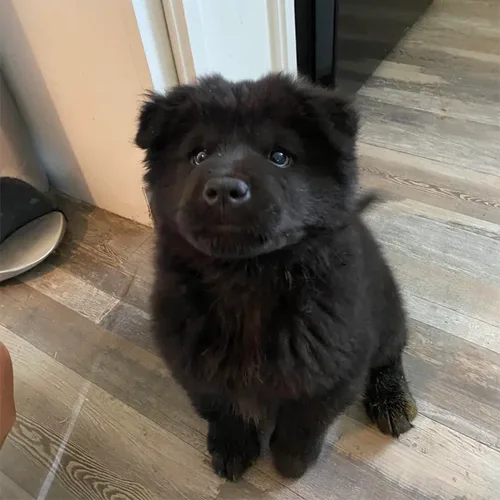
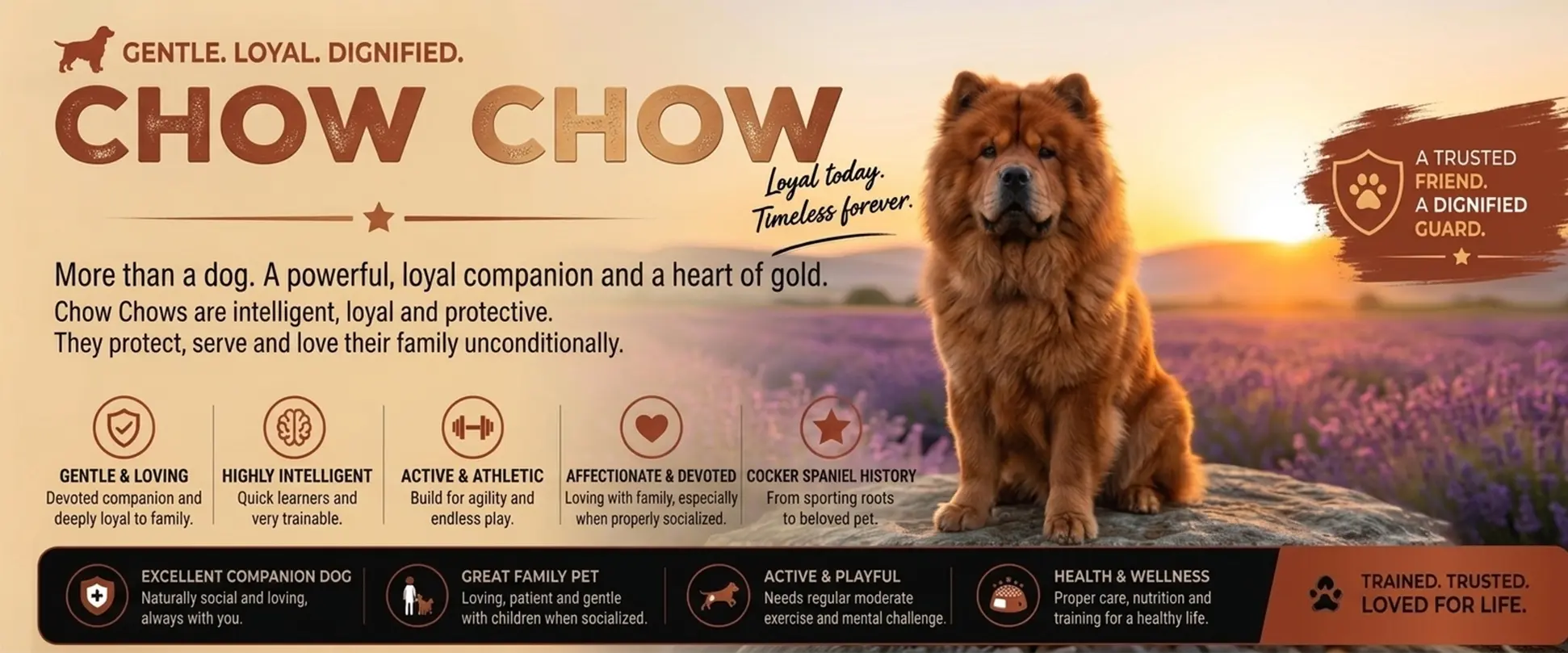
Chow Chow is a distinctive, calm and dignified companion breed known for its lion-like coat, quiet presence and independent nature. Petoris Global helps buyers understand Chow Chow temperament, coat care, puppy health, early socialisation and the patient routine needed to raise this special companion responsibly.
A Chow Chow puppy may look like a soft toy, but it needs respectful handling, regular grooming and steady guidance as it grows. Choosing the right puppy starts with proper information. For practical support, call Petoris Global at 9211640618.
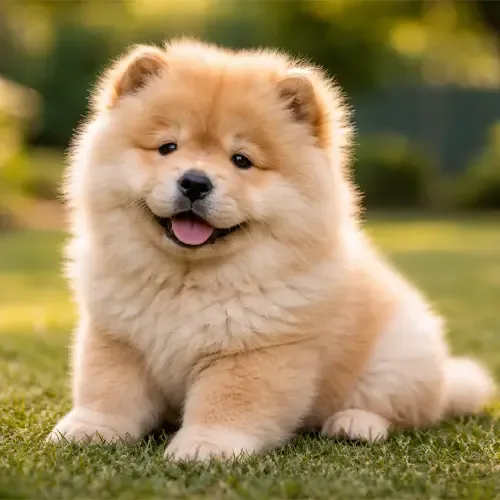
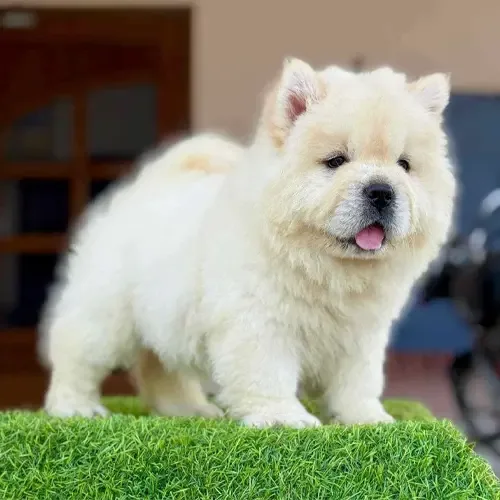
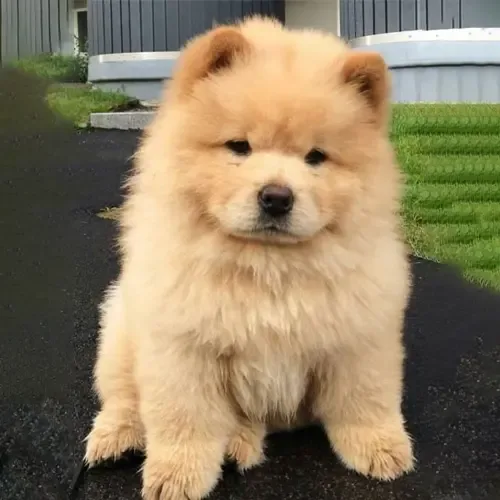
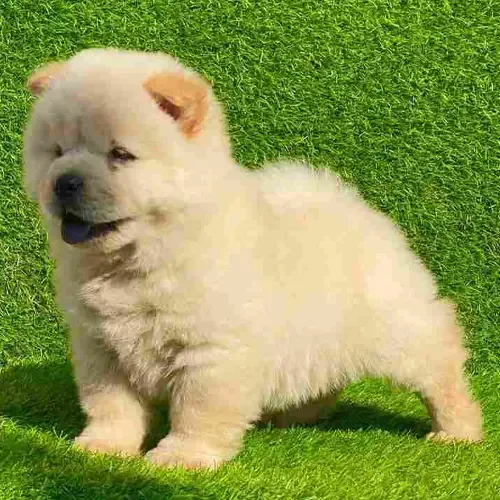
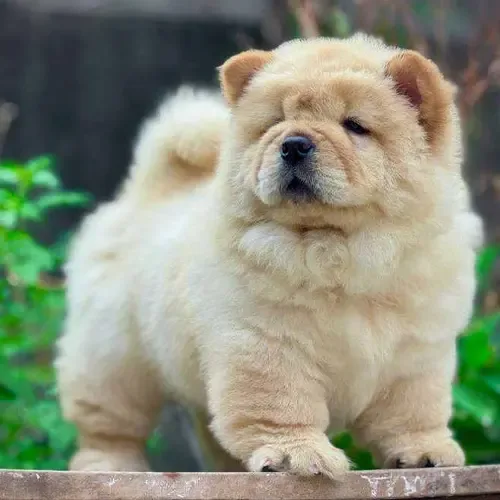
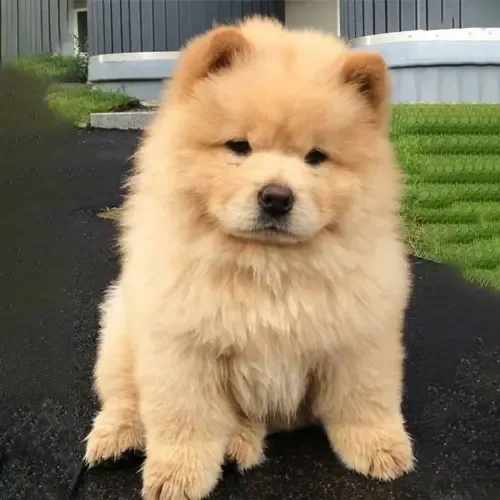
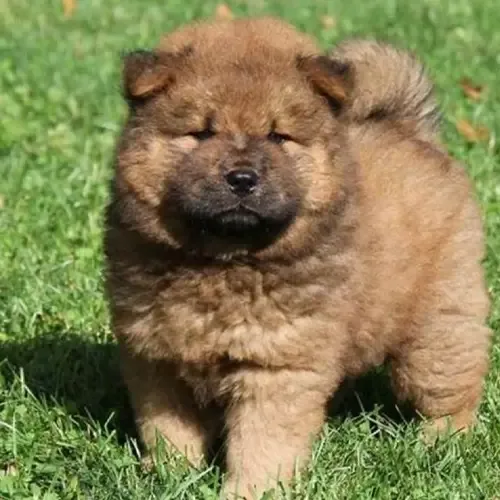
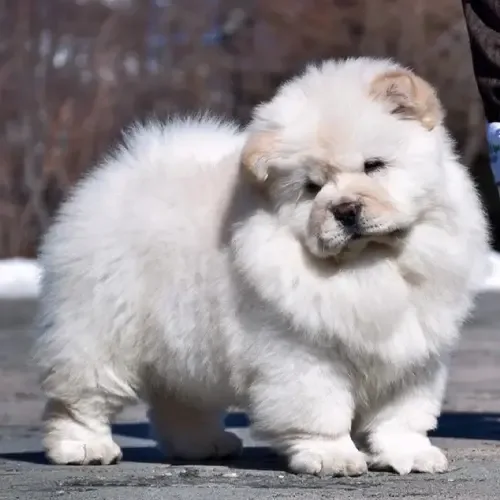
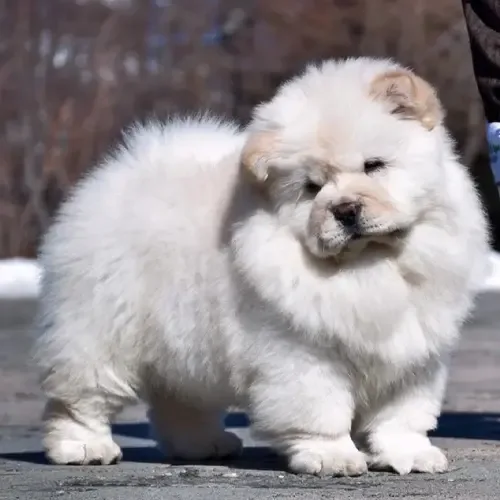
Choosing a Chow Chow puppy should be about more than its fluffy appearance or unusual blue-black tongue. This breed often has a reserved, self-assured personality and benefits from gentle socialisation from an early age. Petoris Global helps buyers review puppy age, vaccination records, eyes, ears, skin, coat condition, movement and behaviour before selection. Chow Chow puppies for sale should be chosen for healthy development and a comfortable response to people, not only for a thick coat or preferred colour. For personal guidance, call 9211640618.
Chow Chow puppies can differ in coat texture, coat colour, gender, age, face shape, body build and personality. Some have a fuller rough coat that needs regular brushing, while smoother-coated puppies may have a simpler grooming routine. Their individual nature can also vary; one puppy may be curious and playful, while another may be quieter and observant. Petoris Global explains these differences clearly and discusses health, grooming, socialisation and daily care before selection. This helps buyers choose a puppy that suits their routine rather than choosing only by appearance.
Chow Chow puppy price can vary because of age, coat type, health checks, vaccination records, body development, bloodline and the standard of early care. A lower quote may not always be better value when feeding details, hygiene, health records or puppy history are unclear. Petoris Global explains the practical factors behind the price of Chow Chow puppies for sale, helping buyers ask better questions before booking. The focus remains on healthy development, responsible care and long-term suitability instead of only the first price shared. For support, call 9211640618.
A healthy Chow Chow puppy should have clear eyes, clean ears, healthy skin, a clean dense coat, balanced movement and a calm but responsive nature. Quality is not decided by coat fluffiness alone. Correct age, nutrition, hygiene, vaccination, veterinary attention and early socialisation all shape a puppy’s wellbeing. Petoris Global helps buyers recognise these practical quality signs before selection. This can prevent a decision based only on photographs while important points such as coat condition, comfort, temperament and care history are overlooked.
Petoris Global offers straightforward guidance before buyers choose a Chow Chow puppy. We discuss coat brushing, feeding basics, grooming, socialisation, gentle training and the health checks that matter for this independent companion breed. Our team helps you consider whether your home routine can support a puppy that needs both affection and respectful space. We encourage thoughtful decisions rather than rushed bookings. For dependable Chow Chow puppies for sale guidance, contact Petoris Global at 9211640618.
Buying a Chow Chow puppy can be rewarding when you are ready for regular grooming, patient training and a calm, consistent home routine. This breed can become a loyal and quietly affectionate companion when its personality and care needs are understood from the beginning. Petoris Global supports buyers with puppy quality knowledge and practical selection guidance, helping you make a confident long-term choice. To discuss available Chow Chow puppies for sale, call 9211640618.
Know the average price of Chow Chow puppies in your city.
| City | Price |
|---|---|
| Chow Chow Price In Delhi NCR | INR 55,000 to INR 140,000 |
| Chow Chow Price In Noida | INR 55,000 to INR 140,000 |
| Chow Chow Price In Gurugram | INR 55,000 to INR 140,000 |