
Dog Breed Info & Overview
Breed History
Originating in Germany, the Deutscher Wachtelhund was shaped by purpose more than fashion. Breeders favored traits that supported usefulness, soundness, and companionship. Modern dogs still carry that legacy, so their behavior often makes more sense when viewed through the work they were originally expected to do.
Characteristics
The Deutscher Wachtelhund combines appearance, instincts, and personality in a way that feels distinctive. Its medium build and dense wavy coat influence care needs, while its temperament affects training style. A predictable routine, clear boundaries, and meaningful activity help the breed settle into family life.
Temperament
Deutscher Wachtelhunds are usually known for versatile, eager, lively, loyal behavior, but upbringing matters greatly. Early socialization helps the dog handle new people, animals, and places with more confidence. Calm rules, rewards, and patience work better than force, especially with sensitive, independent, or powerful breeds.
Personality
Living with a Deutscher Wachtelhund means appreciating the breed’s habits instead of fighting them. It may enjoy games, quiet companionship, outdoor work, problem-solving, or family routines. Owners who watch the dog closely and guide behavior early often build a deeper, more cooperative bond.
Physical Characteristics
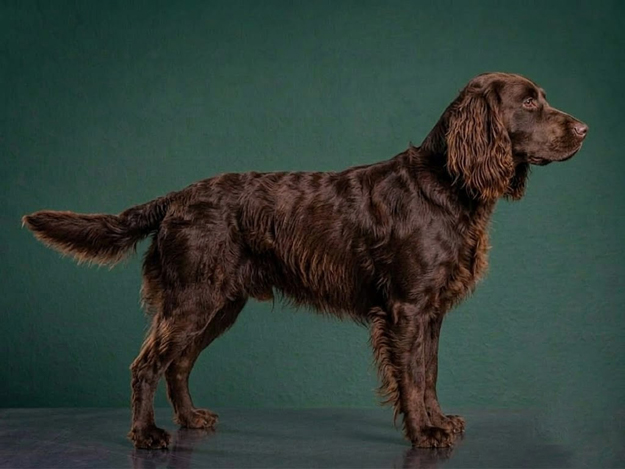
The appearance of the Deutscher Wachtelhund is one of its most recognizable features. Its dense wavy coat, body outline, expression, and movement all contribute to breed type. Regular grooming, dental care, paw checks, and sensible exercise help preserve both comfort and soundness.
Health Issues
Health care for the Deutscher Wachtelhund should include routine veterinary visits, weight control, dental care, and attention to breed-specific risks. Depending on the individual, owners may need to watch joints, eyes, ears, skin, breathing, digestion, or heart health. Prevention is always easier than repair.
Right For You?
Choose the Deutscher Wachtelhund if your lifestyle matches its size, energy, coat care, and temperament. It can be a rewarding companion for hunters, active rural homes, sporting handlers, but success depends on time and patience. A good match comes from respecting the breed, not expecting it to behave like every other dog.
Frequently Asked Questions
Q1. Can the Deutscher Wachtelhund fit into family life when owners understand its temperament and routine needs?
Ans. The Deutscher Wachtelhund can be a good family companion in the right setting. Success depends on training, supervision, and daily care rather than breed name alone. Families should consider size, energy, grooming, and natural instincts before deciding if this dog truly matches their lifestyle.
Q2. How much exercise does the Deutscher Wachtelhund need each day to stay calm, healthy, and easier to manage?
Ans. The Deutscher Wachtelhund should receive activity that matches the overview guide and its individual age. Walks, play, training games, water work, scent games, or gentle sport can all help. Mental enrichment matters too, because a tired mind often settles better than a dog that only walks.
Q3. How much grooming does the Deutscher Wachtelhund need to keep its coat, skin, ears, and nails healthy?
Ans. Grooming for the Deutscher Wachtelhund depends on its dense wavy coat, but a steady routine is always helpful. Brush as needed, check ears, trim nails, clean teeth, and inspect skin after outdoor activity. Breeds with heavier, curly, wiry, or long coats may need professional help.
Q4. Is the Deutscher Wachtelhund easy to train for owners who want a polite and reliable companion?
Ans. The Deutscher Wachtelhund can learn well when training is consistent and fair. Use rewards, short sessions, clear rules, and early socialization. Some individuals may be independent, sensitive, or highly driven, so owners should adapt lessons to the dog instead of relying on force.
Q5. What health problems should Deutscher Wachtelhund owners watch for from puppyhood through senior age?
Ans. Owners should monitor the Deutscher Wachtelhund for changes in weight, movement, appetite, skin, ears, eyes, teeth, and energy. Breed risks vary, but joint issues, allergies, eye disease, ear infections, or digestive concerns may appear. Routine vet care and responsible breeding help.