KCI Registered
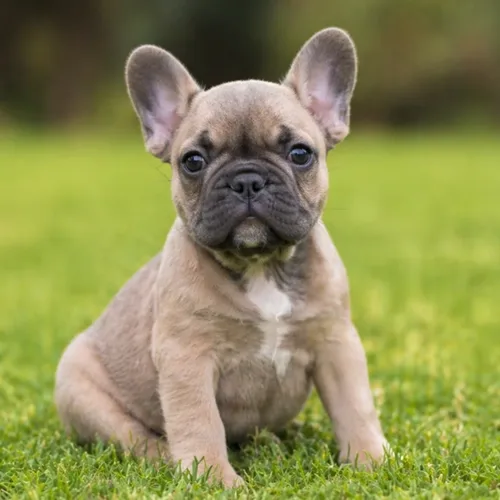


French Bulldog is a compact, affectionate and charming companion breed known for its playful personality and close family bond. Petoris Global helps buyers understand French Bulldog temperament, puppy health, breathing comfort, body structure, skin care and the daily routine needed for responsible ownership.
A French Bulldog puppy should be selected with health awareness, not only for its cute face or compact size. For guidance on puppy quality, care needs and suitability, call Petoris Global at 9211640618.
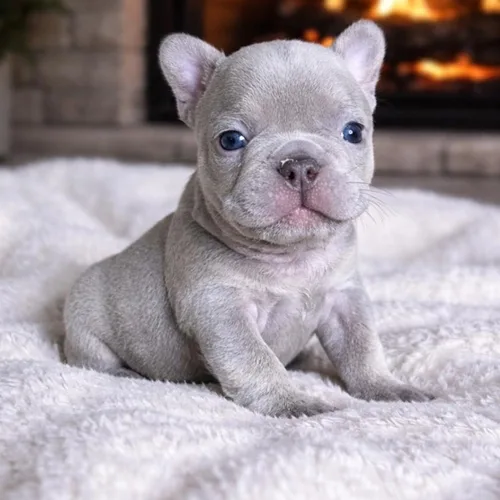
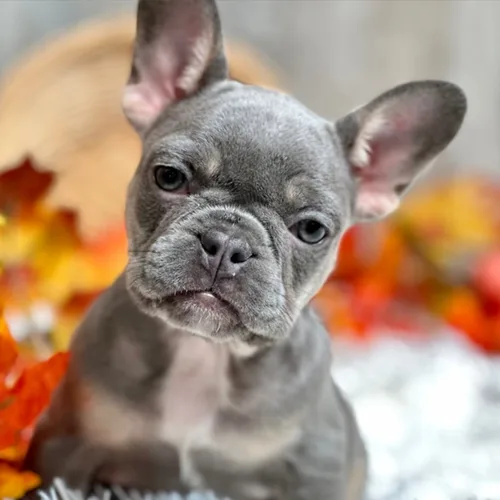
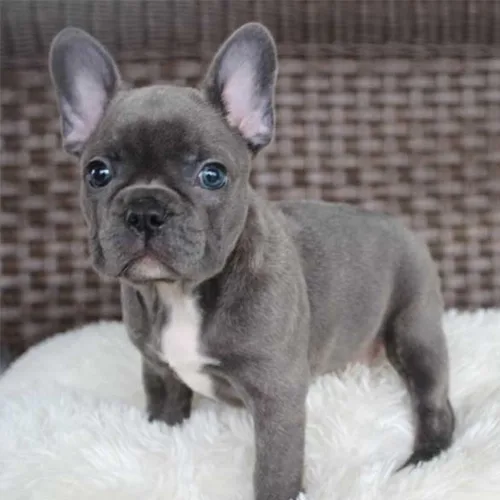
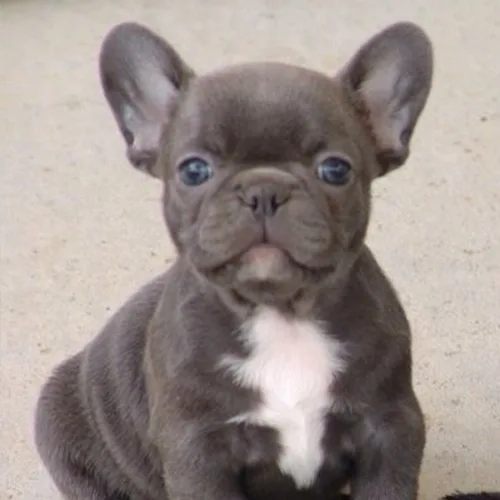
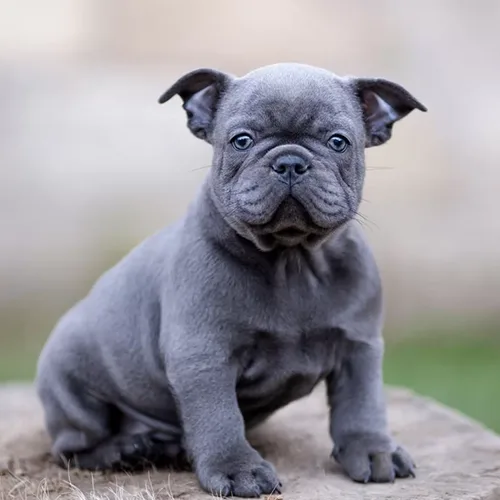
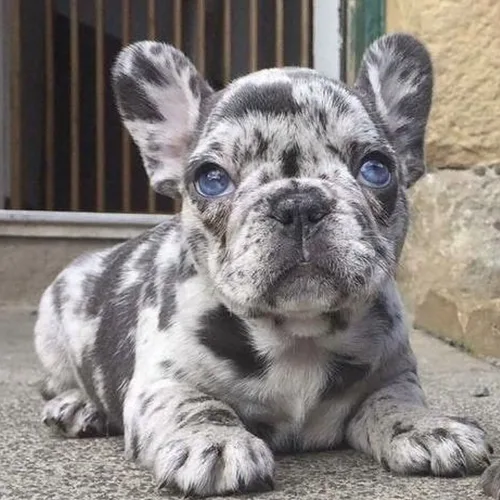
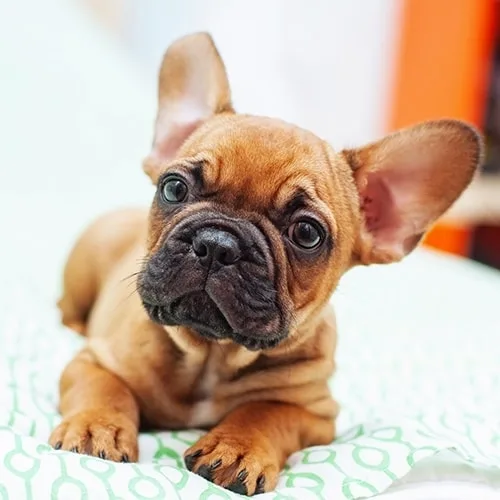

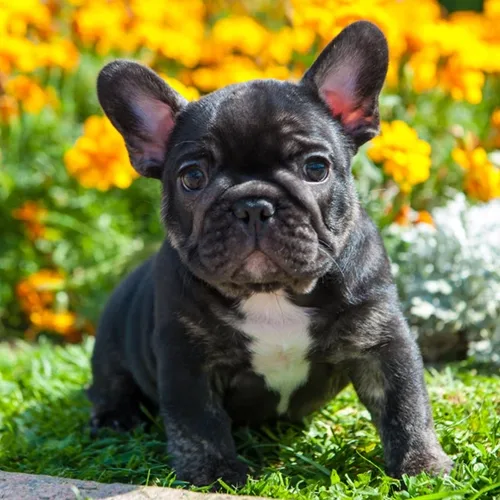
Choosing a French Bulldog puppy should be done carefully because this breed needs attention to breathing comfort, skin health, body balance and daily care. Petoris Global helps buyers review age, vaccination details, eyes, ears, coat, movement and behaviour before selection. French Bulldog puppies for sale should be chosen for healthy development and comfort, not only for colour, face or size. We explain practical care points clearly so buyers can make a confident decision. For guidance, call 9211640618.
French Bulldog puppies can differ in gender, age, coat colour, body frame, face structure and personality. Some puppies are playful and expressive, while others are calmer and enjoy being close to people. Petoris Global explains these differences honestly, including grooming, activity level, health checks and daily comfort needs. The right French Bulldog puppy should fit your routine and care capacity, rather than being selected only because of a trendy colour or cute photograph.
French Bulldog puppy price can vary due to age, health monitoring, vaccination records, body structure, coat colour, bloodline and the standard of early care. A low price can sometimes hide poor hygiene, weak health or unclear medical history. Petoris Global explains what affects the price of French Bulldog puppies for sale, helping buyers focus on health, comfort and long-term value. Before booking, ask about care history, vaccination and puppy condition. For support, call 9211640618.
A healthy French Bulldog puppy should have clear eyes, clean ears, healthy skin, a smooth coat, comfortable breathing, balanced movement and alert behaviour. Quality is not decided only by colour, wrinkles or compact size. Correct age, nutrition, hygiene, vaccination, veterinary care and responsible early handling all matter. Petoris Global helps buyers understand these practical quality signs before selection, reducing the risk of choosing a puppy from photos while missing important health details.
Petoris Global gives buyers clear and practical guidance before choosing a French Bulldog puppy. We explain feeding, skin care, grooming, gentle activity, socialisation and important health checks in simple language. Our team helps buyers understand whether their routine can support this affectionate but care-sensitive breed. We focus on informed selection instead of rushed booking. For trusted French Bulldog puppies for sale guidance, contact Petoris Global at 9211640618.
Buying a French Bulldog puppy can be a joyful choice when you are ready for companionship, comfort care, gentle training and regular health attention. This breed can become a loving and entertaining family companion when its needs are understood from the start. Petoris Global supports buyers with puppy quality knowledge and practical selection guidance. To discuss available French Bulldog puppies for sale, call 9211640618.
Know the average price of French Bulldog puppies in your city.
| City | Price |
|---|---|
| French Bulldog Price In Delhi NCR | INR 50,000 to INR 130,000 |
| French Bulldog Price In Noida | INR 50,000 to INR 130,000 |
| French Bulldog Price In Gurugram | INR 50,000 to INR 130,000 |