KCI Registered
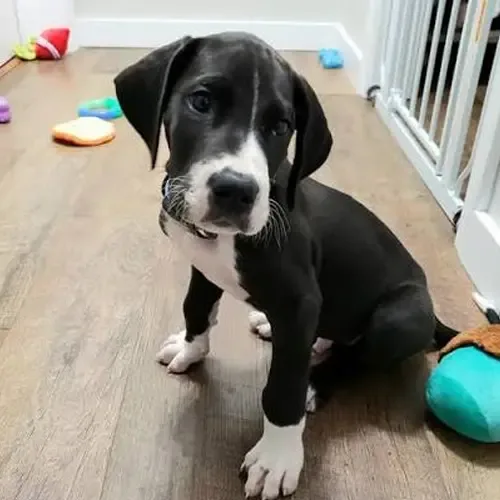

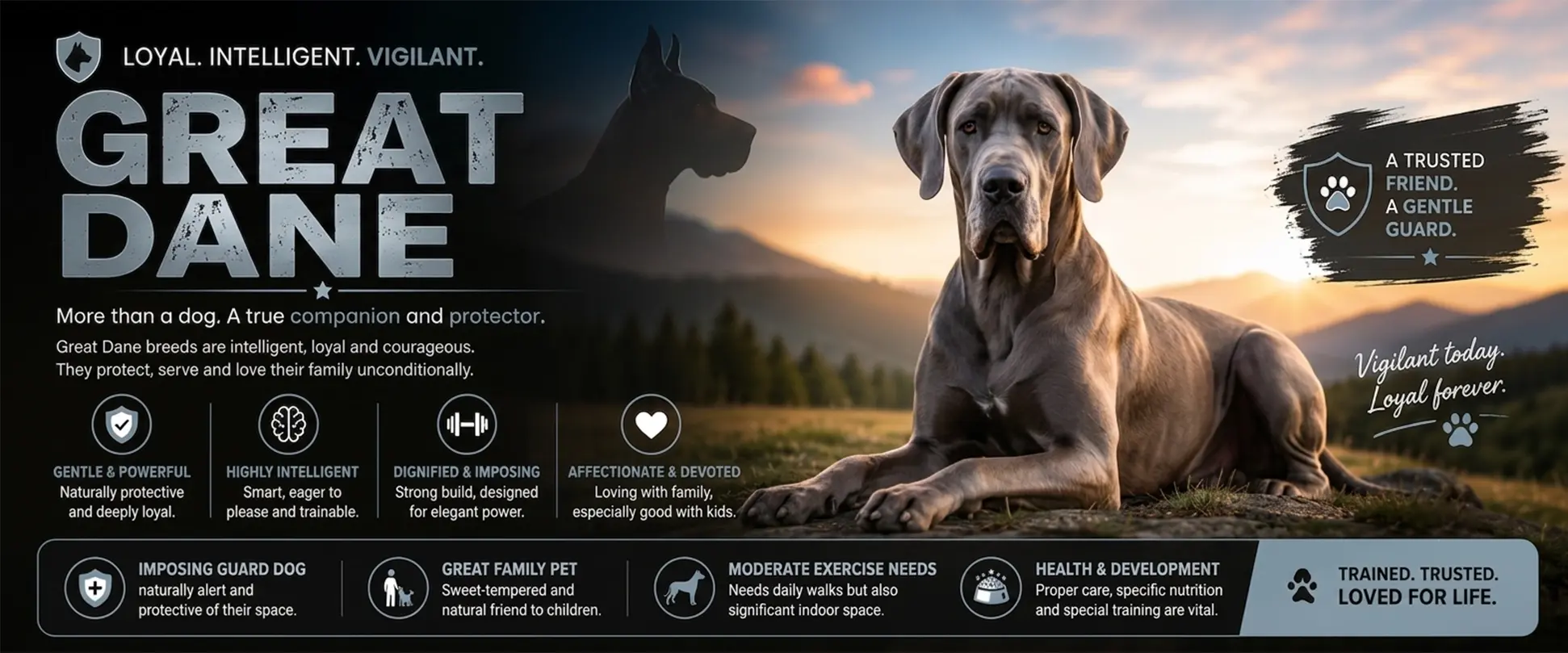
Great Dane is a majestic, gentle and large-hearted companion breed known for its impressive size and calm family nature. Petoris Global helps buyers understand Great Dane temperament, puppy growth, health signs, feeding needs, early socialisation and the responsibility of raising a giant breed.
A Great Dane puppy grows quickly, so choosing with proper knowledge is important from the beginning. Space, nutrition, training and patient handling all matter. For practical puppy guidance, call Petoris Global at 9211640618.
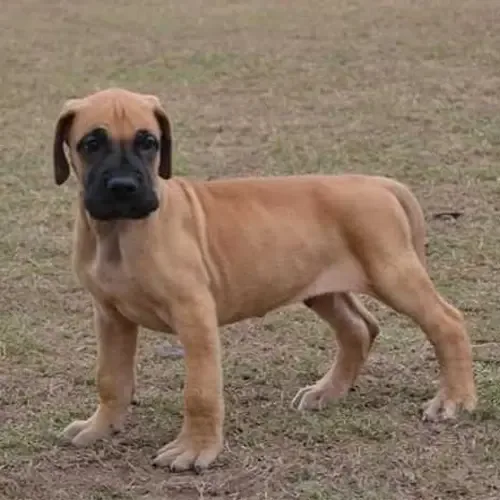
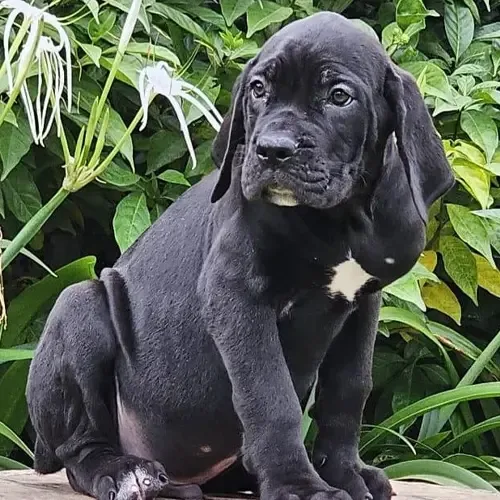
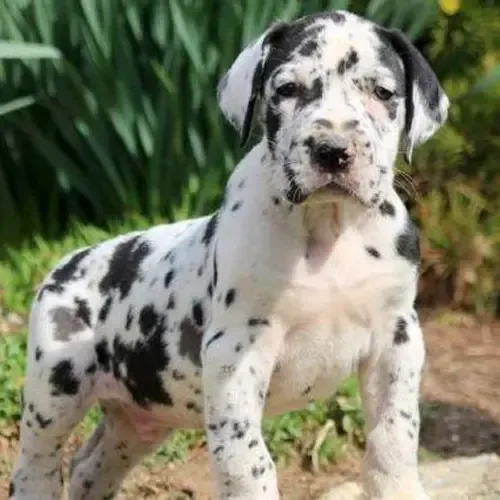
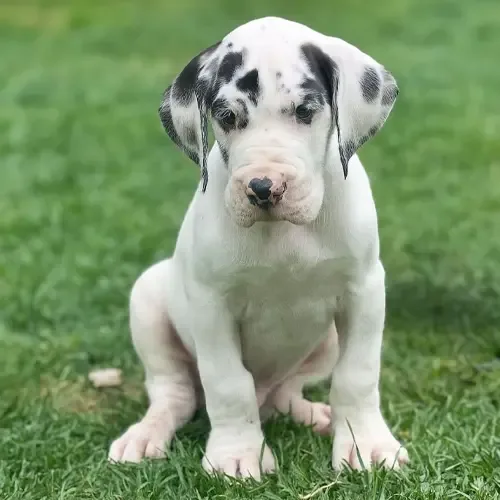
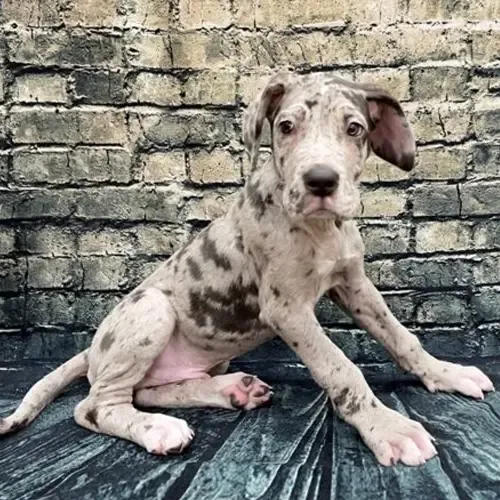
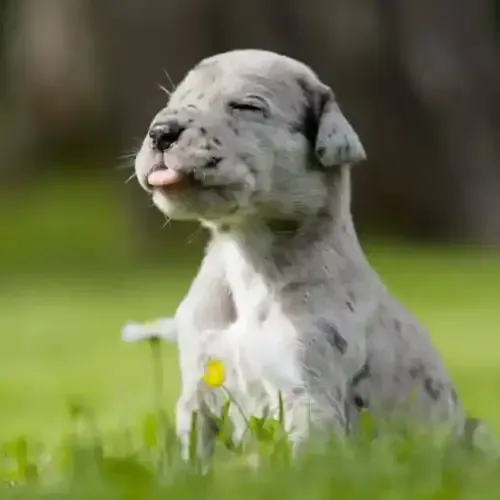
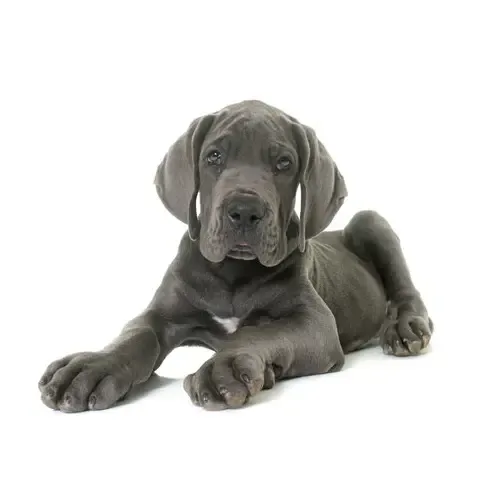
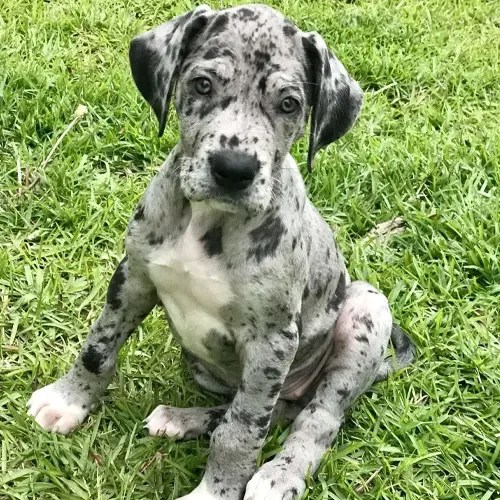
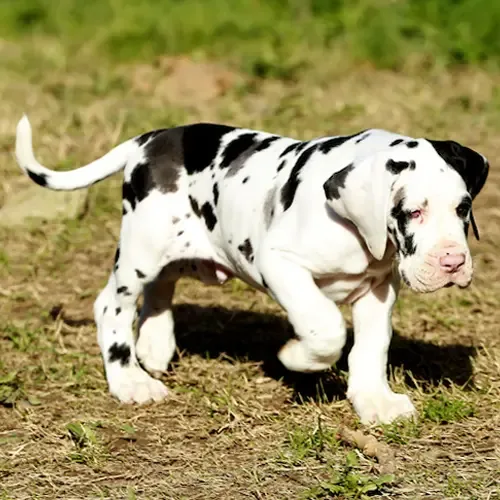
Choosing a Great Dane puppy should be done with clear understanding because this breed grows into a very large yet gentle companion. Petoris Global helps buyers review age, vaccination details, eyes, ears, skin, coat, body balance, movement and early behaviour before selection. Great Dane puppies for sale should be chosen for healthy growth and stable temperament, not only for height or colour. We also explain feeding, space, training and giant-breed care needs before you decide. Call 9211640618 for guidance.
Great Dane puppies can differ in coat colour, gender, age, body frame, confidence level and individual personality. Some puppies may be playful and outgoing, while others are calmer and more observant. Petoris Global explains these differences with care, including health, growth expectations, feeding needs, activity level and family suitability. The right Great Dane puppy should match your space, routine and ability to provide consistent care, rather than being selected only by size or photographs.
Great Dane puppy price can vary because of age, health care, vaccination records, body development, coat, bloodline, nutrition and the standard of early upbringing. A low price can sometimes hide weak growth, poor hygiene, unclear health history or incomplete care. Petoris Global explains what affects the price of Great Dane puppies for sale so buyers can compare value wisely. Health, growth support and long-term suitability should matter more than the lowest quote. For support, call 9211640618.
A healthy Great Dane puppy should have clear eyes, clean ears, healthy skin, a smooth coat, strong legs, balanced movement and a calm but alert response. Quality is not decided only by height or weight. Correct age, nutrition, hygiene, vaccination, veterinary care and early socialisation all influence healthy growth. Petoris Global helps buyers recognise these practical quality signs before choosing, reducing the risk of selecting a puppy from impressive photos while missing important health details.
Petoris Global gives buyers clear guidance before choosing a Great Dane puppy. We explain feeding, space needs, gentle exercise, early training, socialisation, grooming and important health checks in simple language. Our team helps you understand whether your routine can support a giant breed that needs careful growth management and close family involvement. We encourage informed selection instead of rushed booking. For trusted Great Dane puppies for sale guidance, contact Petoris Global at 9211640618.
Buying a Great Dane puppy can be a rewarding decision when you are ready for space, feeding care, patient training and long-term responsibility. This breed can become a calm, affectionate and loyal family companion when raised with proper attention and structure. Petoris Global supports buyers with puppy quality knowledge and practical selection guidance. To discuss available Great Dane puppies for sale, call 9211640618.
Know the average price of Great Dane puppies in your city.
| City | Price |
|---|---|
| Great Dane Price In Delhi NCR | INR 35,000 to INR 90,000 |
| Great Dane Price In Noida | INR 35,000 to INR 90,000 |
| Great Dane Price In Gurugram | INR 35,000 to INR 90,000 |