
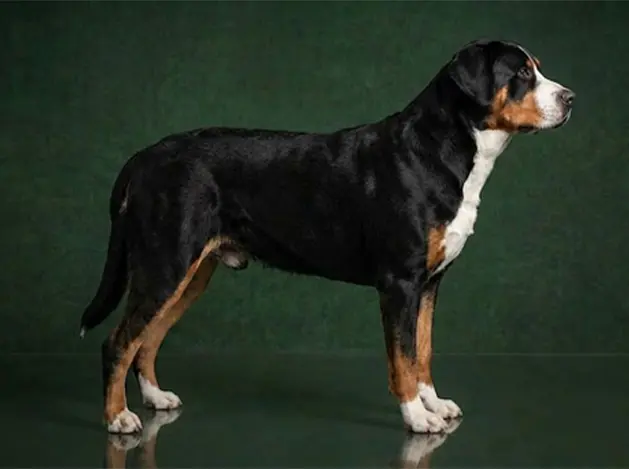
Dog Breed Info & Overview
Breed History
The story of the Greater Swiss Mountain Dog is closely tied to Switzerland and to the people who needed a dependable dog. As a Swiss draft and farm dog with great strength, it developed qualities that remain visible today. Its past explains much of its energy, confidence, coat type, temperament, and relationship with human handlers.
Characteristics
The Greater Swiss Mountain Dog is a large to giant breed with a short tricolor coat and a temperament often described as faithful, confident, calm, strong. Its needs are shaped by energy level, body type, and original purpose. Owners should plan for exercise, grooming, training, and social exposure that match the breed rather than generic advice.
Temperament
The temperament of the Greater Swiss Mountain Dog can be a major strength when guided well. Its faithful, confident, calm, strong qualities need structure, not harshness. Owners should teach polite greetings, leash manners, recall, and calm settling early, because small habits can become harder to change once the dog matures.
Personality
The personality of the Greater Swiss Mountain Dog is part of its appeal. It is not simply a decorative pet; it has preferences, instincts, and emotional needs. With enrichment, praise, and a routine it understands, the breed can become expressive, loyal, and easier to live with.
Physical Characteristics
The Greater Swiss Mountain Dog has a large to giant frame, short tricolor coat, and proportions linked to its original role. Owners should monitor weight, nails, teeth, ears, skin, and movement as part of routine care. Good condition protects comfort and helps the dog move naturally throughout life.
Health Issues
The Greater Swiss Mountain Dog benefits from responsible breeding and steady preventive care. Owners should track appetite, weight, mobility, coat condition, breathing, and energy level. A suitable diet, safe exercise, parasite prevention, and early veterinary advice help protect comfort through every life stage.
Right For You?
The Greater Swiss Mountain Dog may be a strong fit for spacious homes, working families, experienced owners. Before choosing one, consider space, exercise, grooming, training, and long-term health honestly. With the right match, the breed can be deeply rewarding; without it, normal traits may feel like daily problems.
Frequently Asked Questions
Q1. Is the Greater Swiss Mountain Dog suitable for families who want a loyal companion with breed-specific care needs?
Ans. For a prepared household, the Greater Swiss Mountain Dog may become affectionate and reliable. The key is matching the dog’s needs with the family’s time and experience. Socialization, exercise, grooming, and consistent rules help prevent common problems and build trust.
Q2. How much exercise does the Greater Swiss Mountain Dog need each day to stay calm, healthy, and easier to manage?
Ans. The Greater Swiss Mountain Dog should receive activity that matches the overview guide and its individual age. Walks, play, training games, water work, scent games, or gentle sport can all help. Mental enrichment matters too, because a tired mind often settles better than a dog that only walks.
Q3. How much grooming does the Greater Swiss Mountain Dog need to keep its coat, skin, ears, and nails healthy?
Ans. Grooming for the Greater Swiss Mountain Dog depends on its short tricolor coat, but a steady routine is always helpful. Brush as needed, check ears, trim nails, clean teeth, and inspect skin after outdoor activity. Breeds with heavier, curly, wiry, or long coats may need professional help.
Q4. Is the Greater Swiss Mountain Dog easy to train for owners who want a polite and reliable companion?
Ans. The Greater Swiss Mountain Dog can learn well when training is consistent and fair. Use rewards, short sessions, clear rules, and early socialization. Some individuals may be independent, sensitive, or highly driven, so owners should adapt lessons to the dog instead of relying on force.
Q5. What health problems should Greater Swiss Mountain Dog owners watch for from puppyhood through senior age?
Ans. Owners should monitor the Greater Swiss Mountain Dog for changes in weight, movement, appetite, skin, ears, eyes, teeth, and energy. Breed risks vary, but joint issues, allergies, eye disease, ear infections, or digestive concerns may appear. Routine vet care and responsible breeding help.