KCI Registered
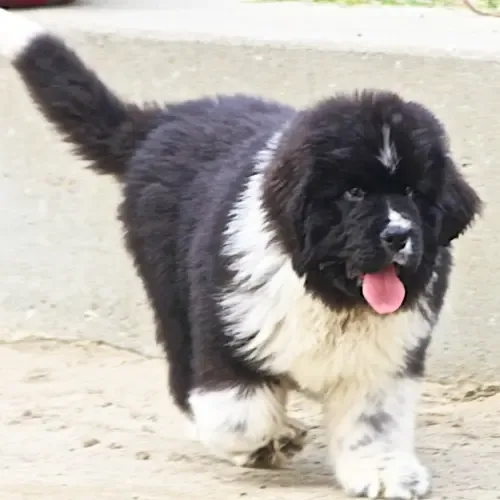

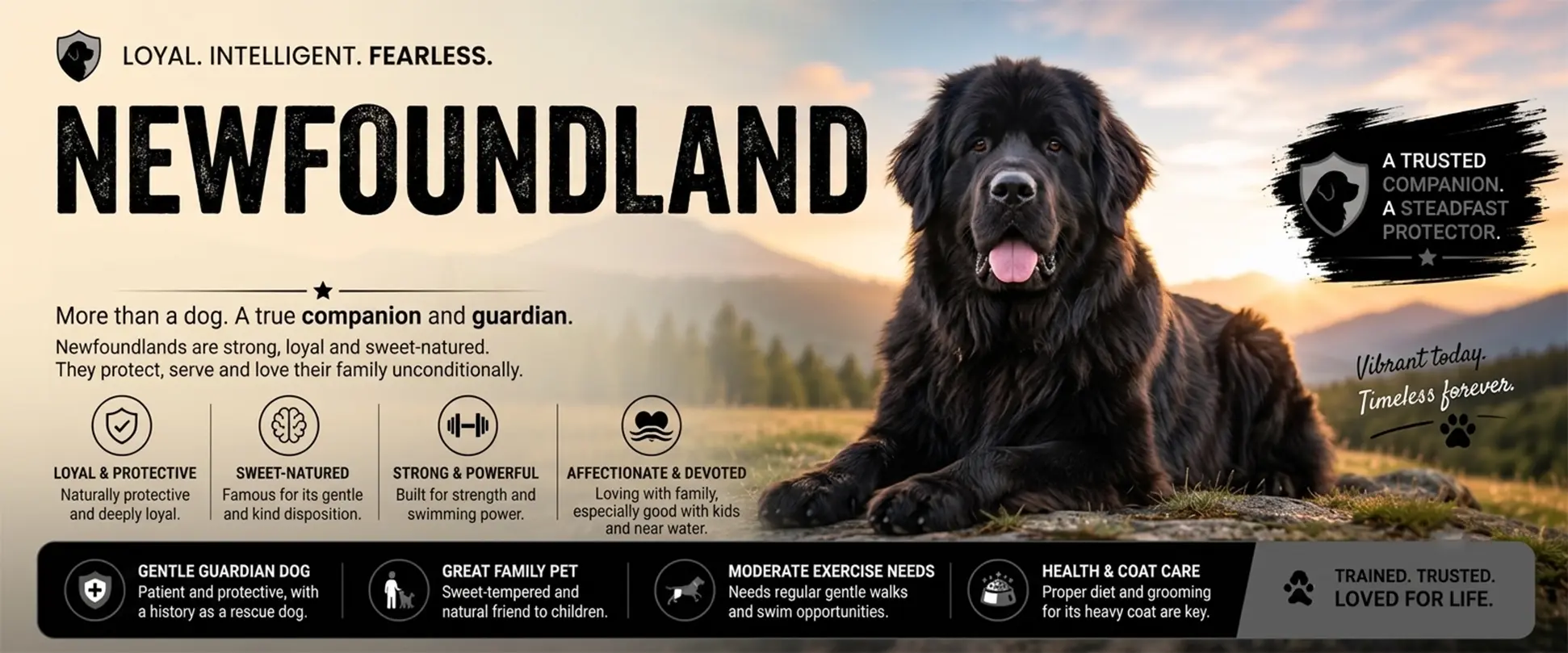
Newfoundland is a gentle, patient and impressively large companion breed known for its calm nature, thick coat and close bond with family. Petoris Global helps buyers understand Newfoundland temperament, puppy health, coat care, growth needs, early socialisation and the commitment required for a giant breed.
A Newfoundland puppy may look like a soft, fluffy bear, but it grows into a powerful adult that needs space, patient training and regular grooming. For practical puppy guidance, call Petoris Global at 9211640618.
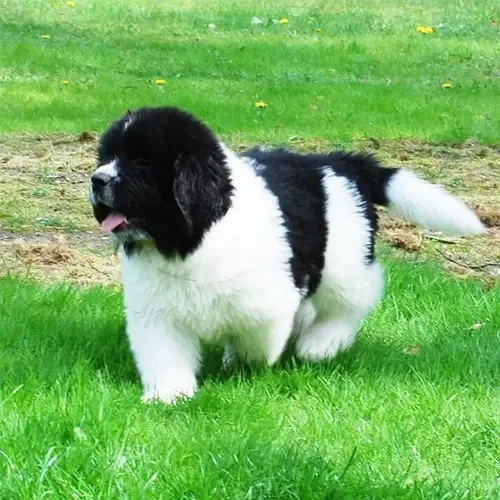
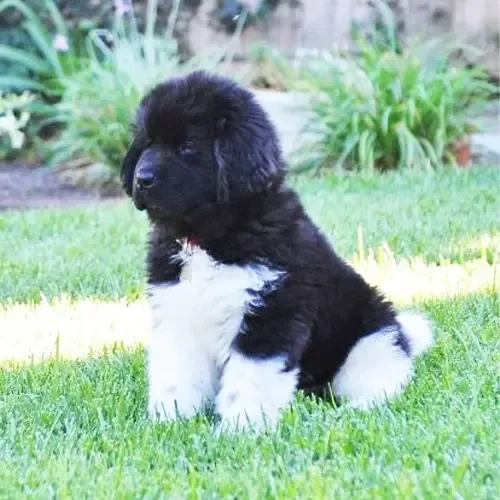
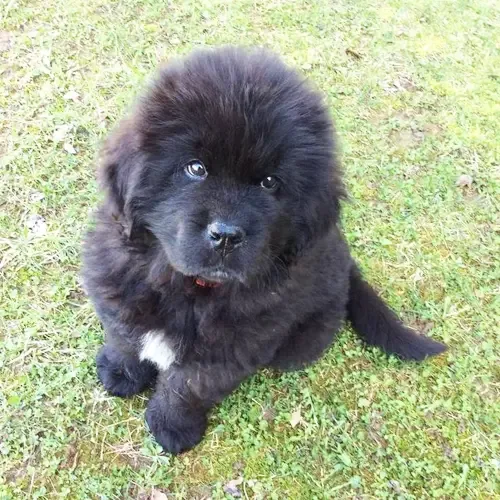
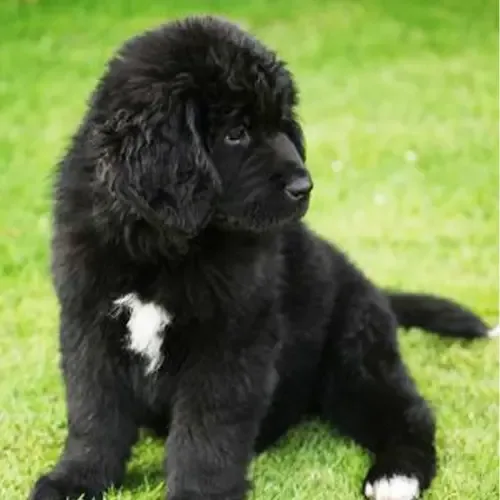
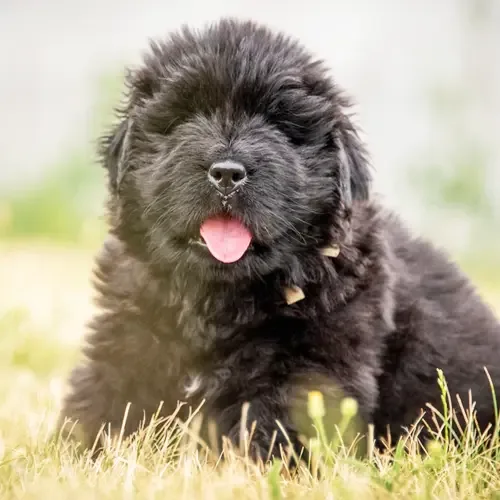
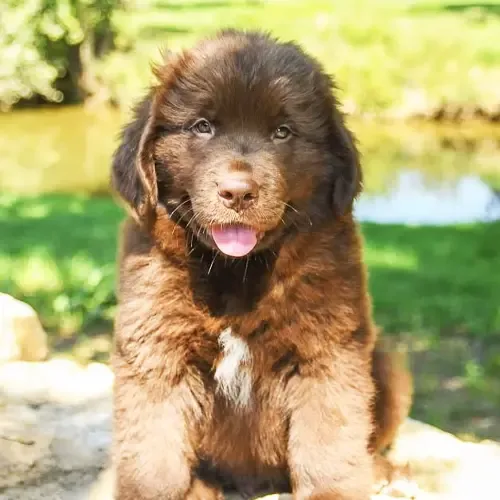
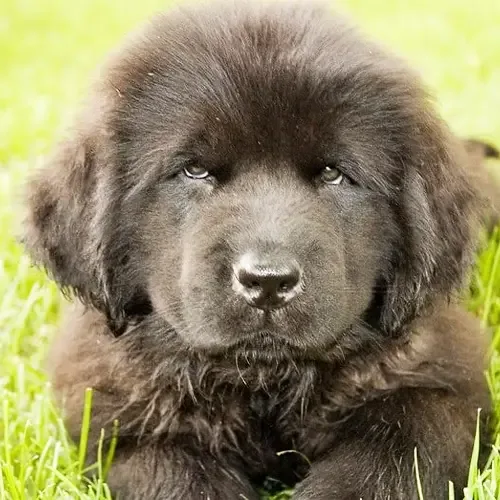
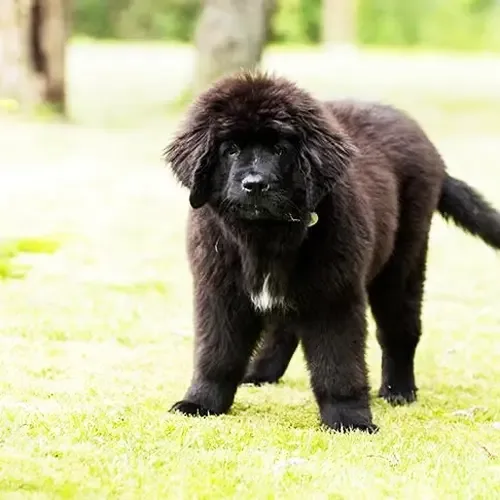
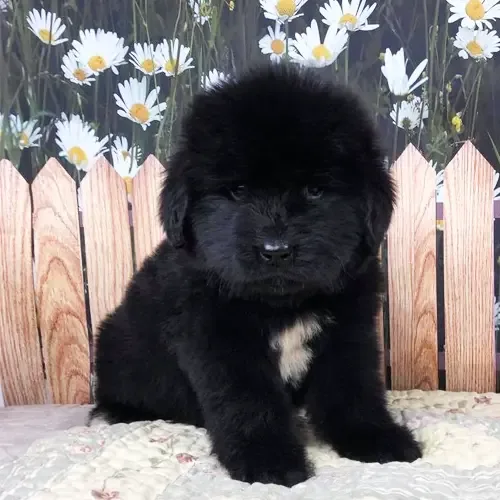
Choosing a Newfoundland puppy should begin with a realistic understanding of its size, coat care and long-term needs. This breed is often gentle and family-oriented, but it requires careful growth support, regular brushing and calm guidance. Petoris Global helps buyers review puppy age, vaccination details, eyes, ears, skin, coat condition, movement and early behaviour before selection. Newfoundland puppies for sale should be chosen for healthy development and stable temperament, not only for their fluffy appearance or large paws. Call 9211640618 for guidance.
Newfoundland puppies can differ in gender, age, coat shade, coat density, body frame and individual personality. Some puppies may be playful and curious, while others are calmer and more observant around new people. Their thick double coat can also vary in texture and grooming requirement. Petoris Global explains these natural differences clearly before selection. We help buyers understand health, expected growth, coat care, activity needs and family suitability, so the final choice is based on daily compatibility rather than only colour, size or photographs.
Newfoundland puppy price can vary because of age, health checks, vaccination records, coat condition, body development, bloodline, nutrition and the standard of early care. A lower quote should be reviewed carefully if feeding history, hygiene, health records or puppy background are unclear. Petoris Global explains the practical factors that influence the price of Newfoundland puppies for sale, helping buyers compare value with better awareness. Healthy growth, proper care and long-term suitability are more important than simply choosing the lowest amount. For support, call 9211640618.
A healthy Newfoundland puppy should have clear eyes, clean ears, healthy skin, a dense clean coat, strong legs, balanced movement and a calm, responsive nature. Quality is not decided only by a thick coat or oversized paws. Correct age, suitable nutrition, hygiene, vaccination, veterinary care and early socialisation all contribute to sound development. Petoris Global helps buyers recognise these practical quality signs before choosing. This can prevent a decision based only on appealing pictures while important details about growth, coat care and health are overlooked.
Petoris Global gives buyers useful, honest guidance before they choose a Newfoundland puppy. We discuss feeding, growth care, brushing, grooming, gentle exercise, socialisation and important health checks in clear language. Our team helps you consider whether your space, routine and time can support a giant companion breed that needs regular coat care and close family involvement. We encourage thoughtful decisions rather than rushed bookings. For trusted Newfoundland puppies for sale guidance, contact Petoris Global at 9211640618.
Buying a Newfoundland puppy can be a rewarding decision when you are ready for space, grooming, patient training and long-term care. This breed can become a gentle, loyal and deeply affectionate family companion when its growth, coat and emotional needs are understood from the beginning. Petoris Global supports buyers with puppy quality knowledge and practical selection guidance, helping you make a confident choice. To discuss available Newfoundland puppies for sale, call 9211640618.
Know the average price of Newfoundland puppies in your city.
| City | Price |
|---|---|
| Newfoundland Price In Delhi NCR | INR 200,000 to INR 300,000 |
| Newfoundland Price In Noida | INR 200,000 to INR 300,000 |
| Newfoundland Price In Gurugram | INR 200,000 to INR 300,000 |