
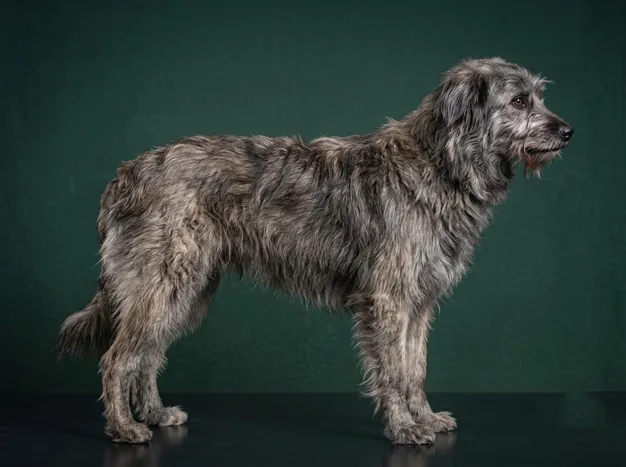
Dog Breed Info & Overview
Breed History
The Pyrenean Shepherd developed in France/Spain, where practical needs shaped its body, coat, instincts, and temperament. As a herding or farm dog shaped for problem-solving and close teamwork, it was influenced by the work and lifestyle of its region. That background still matters today because it explains many behaviors modern owners see at home.
Characteristics
The Pyrenean Shepherd is a medium breed with a dense double coat and high energy. It is often described as intelligent, loyal, energetic, responsive, but those strengths are best when guided through routine. Owners should plan exercise, grooming, training, and social exposure around the actual breed type.
Temperament
Pyrenean Shepherd dogs can be rewarding when socialized early and handled fairly. Their intelligent, loyal, energetic, responsive nature may show differently from one individual to another. Calm rules, positive training, and patient introductions help the dog understand family life, visitors, other animals, and new places.
Personality
The personality of the Pyrenean Shepherd is part of its appeal. It may be playful, steady, watchful, comic, or focused depending on its type and upbringing. Most individuals do best when they feel included in daily life and receive attention that suits their energy and confidence.
Physical Characteristics
The Pyrenean Shepherd has a dense double coat, a medium frame, and proportions linked to its original role. Owners should monitor weight, nails, teeth, ears, skin, and movement as part of routine care. Good condition protects comfort and helps the dog move naturally throughout life.
Health Issues
Health care for the Pyrenean Shepherd should include routine veterinary visits, weight control, dental care, and attention to breed-specific risks. Depending on the individual, owners may need to watch joints, eyes, ears, skin, breathing, digestion, or heart health. Prevention is always easier than repair.
Right For You?
The Pyrenean Shepherd is right for owners who can meet its true needs rather than only admire its appearance. It may suit active families, dog sports, herding breed fans, especially when training and care are consistent. It is not ideal for homes unwilling to plan around exercise, grooming, safety, or socialization.
Frequently Asked Questions
Q1. Is the Pyrenean Shepherd a good family dog for homes that can meet its daily care needs?
Ans. Yes, the Pyrenean Shepherd can fit family life when expectations are realistic. It needs respectful handling, early socialization, and a routine that matches its energy and temperament. Homes suited to active families, dog sports, herding breed fans usually have the best results.
Q2. Does the Pyrenean Shepherd need mental work as well as physical exercise to prevent boredom?
Ans. Yes. The Pyrenean Shepherd benefits from tasks that make it think, not only long walks. Obedience, herding-style games, fetch rules, scent work, agility, or trick training can channel energy. Without mental outlets, unwanted barking, chasing, pacing, or nipping may appear.
Q3. How much grooming does the Pyrenean Shepherd need to keep coat, skin, ears, and nails healthy?
Ans. Grooming for the Pyrenean Shepherd depends on its dense double coat, but a steady routine is always helpful. Brush as needed, check ears, trim nails, clean teeth, and inspect skin after outdoor activity. Heavier, curly, wiry, or long coats may need professional help.
Q4. Is the Pyrenean Shepherd easy to train for owners who want a polite companion?
Ans. The Pyrenean Shepherd can learn well when training is consistent and fair. Use rewards, short sessions, clear rules, and early socialization. Some individuals may be independent, sensitive, or highly driven, so owners should adapt lessons to the dog instead of relying on force.
Q5. What health problems should Pyrenean Shepherd owners watch for from puppyhood to senior age?
Ans. Owners should monitor the Pyrenean Shepherd for changes in weight, movement, appetite, skin, ears, eyes, teeth, and energy. Breed risks vary, but joint issues, allergies, eye disease, ear infections, or digestive concerns may appear. Routine vet care and responsible breeding help.