Step 1: Tailoring the Schedule to Your Dog
Your dog’s routine should be built around their age, breed, and health.
-
Age Matters: Puppies and senior dogs need more frequent potty breaks than healthy adults.
-
Training Needs: Puppies will need time blocked out for house training and obedience, whereas seniors may need a slower pace.
-
Environmental Factors: If you live in an apartment without a yard, prioritize indoor playtime or extra walks to keep their weight healthy and their muscles active.
Step 2: The Importance of Mindful Feeding
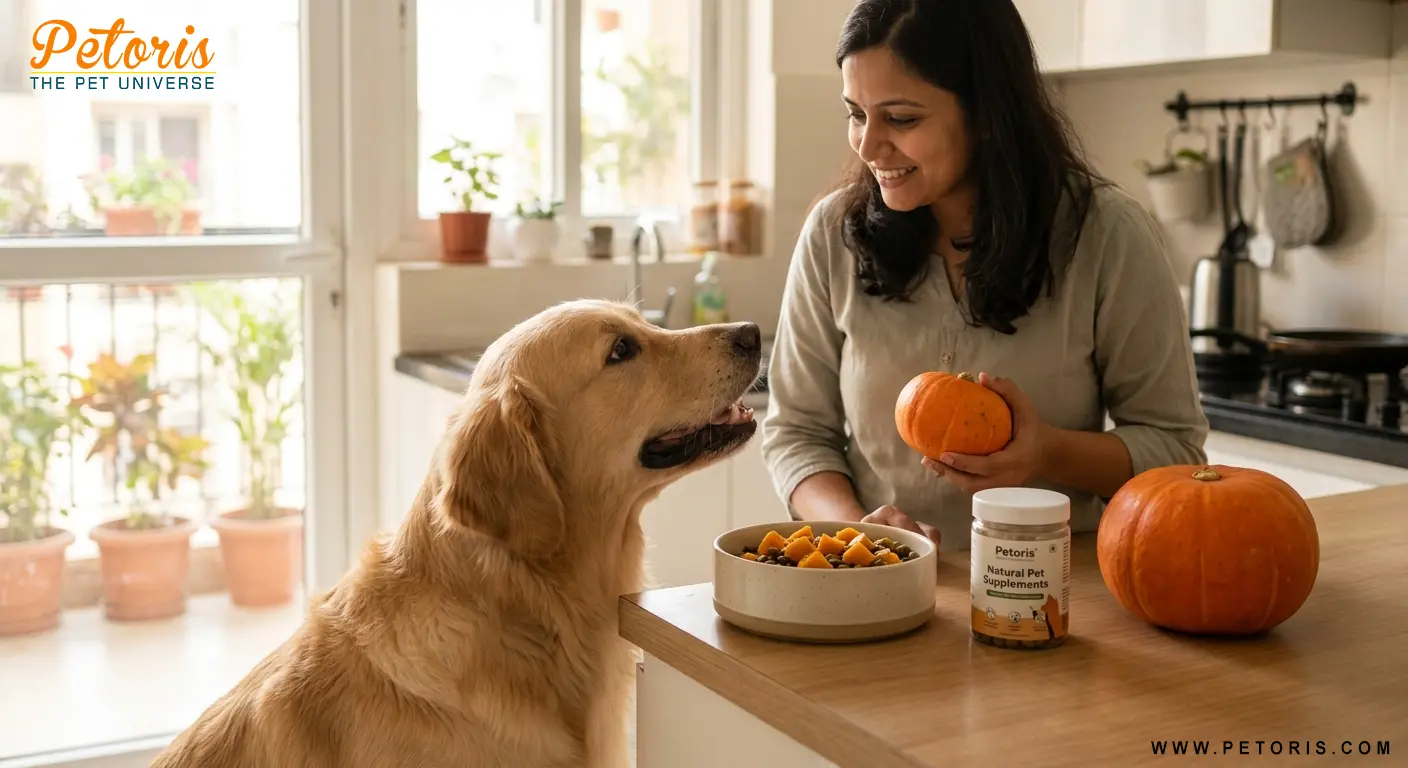
A consistent feeding schedule keeps your dog’s metabolism balanced.
-
Timing: Most dogs do best with two meals a day, about 12 hours apart, though smaller pups may benefit from a midday lunch.
-
The "No-Exercise" Rule: Avoid feeding right before or after intense exercise. For deep-chested breeds, this can prevent bloat—a life-threatening medical emergency.
-
Vet Consultation: Always talk to your vet about the right portion sizes and meal plan to keep your dog at a healthy, satiated weight.
Step 3: Prioritizing Quality Time
A happy dog is an engaged dog. To prevent boredom (and chewed-up furniture!), try these strategies:
-
Mental Stimulation: If your dog spends time alone, use treat puzzles or interactive toys to keep their mind sharp.
-
Training Sessions: Dedicate a few minutes daily to practice "sit," "stay," or loose-leash walking.
-
Professional Support: Don't be afraid to hire a dog walker or pet sitter if your work schedule keeps you away; it’s a great way to ensure they get the exercise and social interaction they crave.
A Sample Healthy Daily Flow
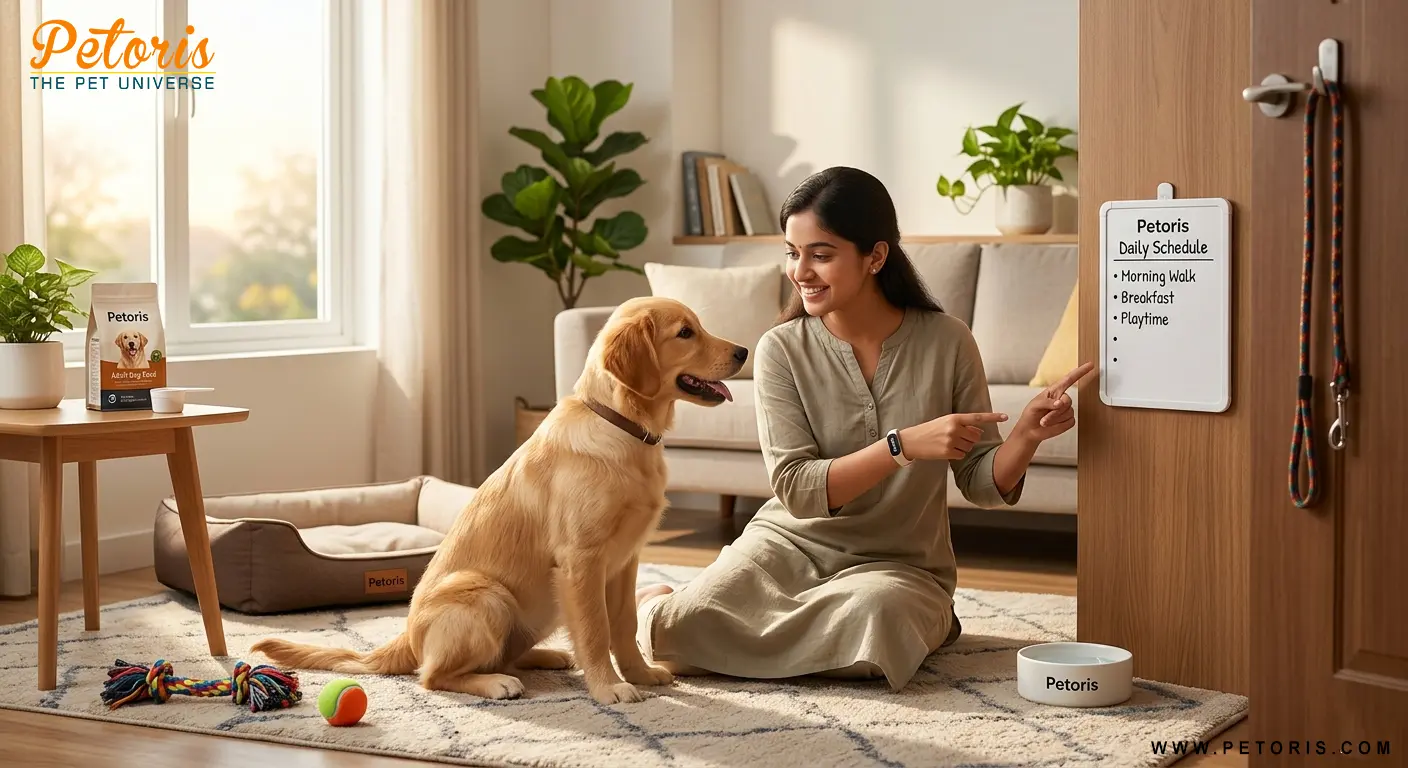
You can adjust this schedule to fit your specific day:
-
Morning (6:00 AM – 8:30 AM): Start with a refreshing morning walk, followed by breakfast. If you’re heading out for the day, give them time to digest before crate time or settling in.
-
Afternoon (11:00 AM – 1:00 PM): This is the perfect window for a midday walk or active play session, like fetch, to burn off energy. It’s also a great time to reinforce commands like "drop it" or "stay".
-
Evening (5:30 PM – 10:30 PM): Enjoy a longer, cooler evening walk. After dinner, give your pup time to decompress. Use the final hours of the day for bonding, grooming, and cuddles, wrapping up with a final potty break right before bedtime.
Pro Tip: Don't forget that dogs need plenty of "nap time" to stay healthy. Make sure they have a cozy, dedicated bed where they can relax when they’re feeling tired.