Why Every Guard Dog Needs Proper Training
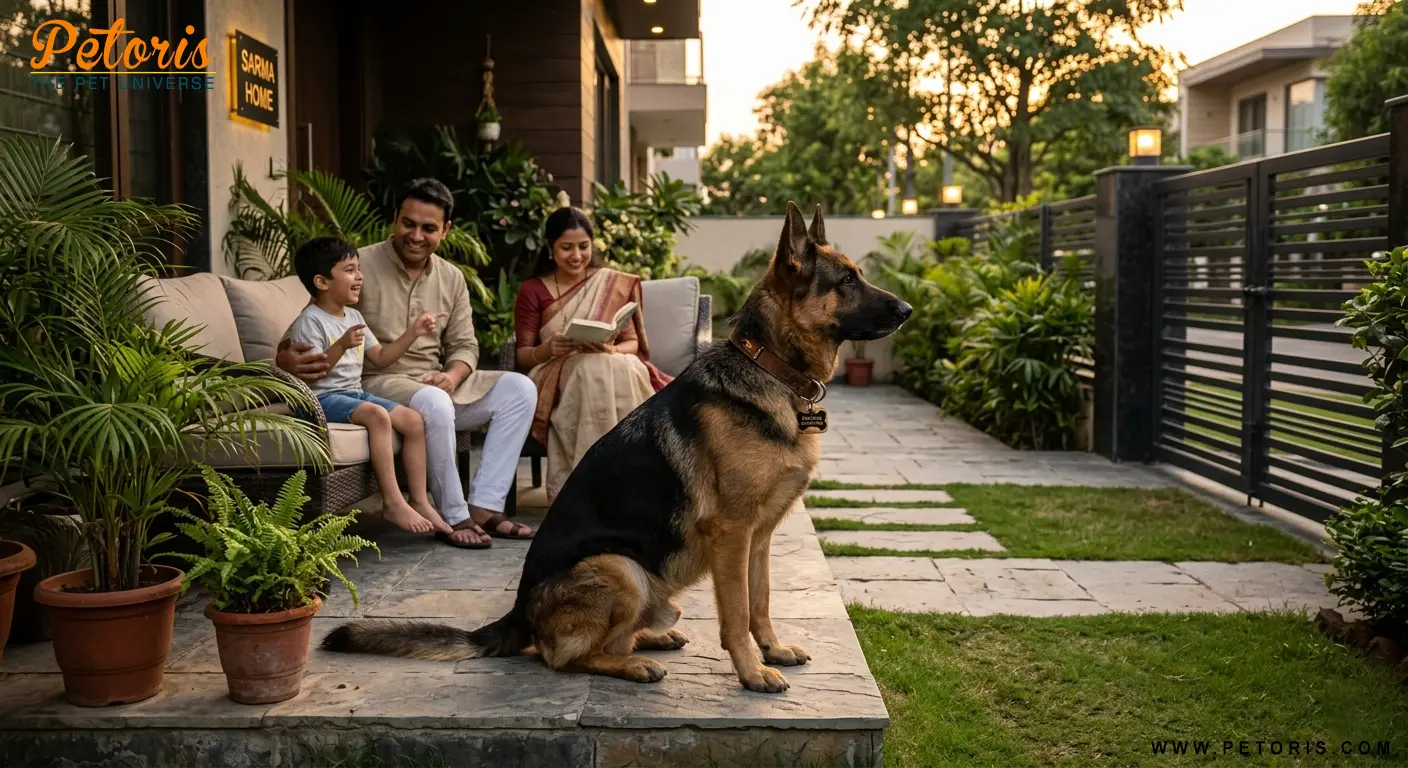
Before picking a breed, remember that even the most protective dog requires professional training and early socialization. Without this, a dog’s natural protective instinct can lead to unwanted aggression. A well-trained guard dog is an alert, confident, and balanced member of the family, not a liability.
The Top 10 Guard Dog Breeds for Indian Families
-
-
Why they fit: They are incredibly intelligent, courageous, and loyal, making them the most popular protection breed worldwide.
-
Climate Tip: They perform exceptionally well across India’s varying climates, making them a reliable choice for most homes.
-
-
-
Why they fit: They are naturally powerful and confident guardians who will fiercely protect their family.
-
Important: Early socialization is non-negotiable for this breed to ensure they are well-mannered companions.
-
-
-
Why they fit: They are lightning-fast, fearless, and highly intelligent, making them one of the best home security options.
-
Trait: They thrive on being close to their owners, ensuring your home is always under watchful eyes.
-
-
Bullmastiff
-
Why they fit: They are brave and protective, yet surprisingly calm and affectionate when they are with their family.
-
Deterrent: Their sheer size alone makes them an imposing figure to any unwelcome intruder.
-
-
-
Why they fit: These dogs are elite athletes—hard-working, alert, and possess an incredibly high drive.
-
Usage: They are often the first choice for police and military forces, proving their high-level capability.
-
-
-
Why they fit: Their massive physical stature serves as a primary deterrent.
-
Nature: Despite their size, they are incredibly gentle and deeply devoted to their family’s safety.
-
-
-
Why they fit: They are energetic, playful, and great with children, while still maintaining a natural instinct to guard the home.
-
-
Rhodesian Ridgeback
-
Why they fit: Known as dignified and loyal guardians, they are strong, athletic, and highly intelligent.
-
-
-
Why they fit: They are intensely loyal and naturally suspicious of strangers, which makes them formidable guardians.
-
-
Indian Pariah Dog
-
Why they fit: They are highly intelligent, alert, and naturally territorial, making them excellent watchdogs.
-
Climate: This breed is arguably the most adaptable to the Indian environment.
-
How to Choose the Best Guard Dog for Your Family in India
There is no single guard dog breed that is perfect for every household. The best guard dog for a family in India depends on your experience with dogs, available space, local climate, daily routine and the amount of training and exercise you can provide.
Before choosing a protection breed, consider these important factors:
1. Your Experience With Dogs
Some protective breeds are easier to manage than others. German Shepherds, Boxers and Indian Pariah Dogs can be suitable for many committed families when properly trained and socialized.
High-drive or physically powerful breeds such as the Belgian Malinois, Rottweiler and certain mastiff-type dogs generally require more experienced handling, consistent training and careful socialization.
A powerful breed should never be selected only because of its appearance.
2. Family Members and Children
A family protection dog must learn the difference between normal everyday activity and a genuine threat.
Homes with children usually have frequent visitors, sudden movements, loud sounds and active play. Early exposure to these situations helps a puppy develop into a confident and stable adult dog.
Children should also be taught how to interact respectfully with dogs. Regardless of breed, interactions between young children and dogs should be supervised.
3. Space Available at Home
Large size does not automatically mean that a dog needs a huge farmhouse, but every dog requires adequate exercise and mental stimulation.
A Great Dane, for example, may be relatively calm indoors, while a smaller Belgian Malinois can require considerably more physical activity and structured work.
For apartments, temperament, exercise requirements, barking tendencies and your ability to provide regular outdoor activity matter more than size alone.
4. Indian Climate
Climate should be one of the most important considerations when selecting a dog in India.
Short-coated breeds generally require less coat maintenance in warmer areas, while heavy or double-coated breeds need careful heat management during hot Indian summers.
During extreme heat:
-
Schedule walks during cooler morning and evening hours.
-
Keep fresh drinking water available at all times.
-
Provide shade and proper ventilation.
-
Avoid intense exercise on hot afternoons.
-
Never leave a dog inside a parked vehicle.
-
Watch for signs of overheating or heat stress.
Owners living in hot and humid regions should discuss climate suitability with a veterinarian before choosing a heavy-coated breed.
Quick Comparison: Best Guard Dogs in India
| Breed | Protection Instinct | Family Compatibility* | Exercise Need | Training Difficulty | Indian Heat Consideration | Better For |
|---|---|---|---|---|---|---|
| German Shepherd | High | High | High | Moderate | Needs heat management | Active families |
| Rottweiler | High | High with training | Moderate–High | Moderate–High | Moderate | Experienced owners |
| Doberman Pinscher | High | High | High | Moderate | Better suited to warm weather than heavy-coated breeds | Active homes |
| Bullmastiff | High | High | Moderate | Moderate | Extra care in severe heat | Larger homes |
| Belgian Malinois | Very High | Depends heavily on training | Very High | Very High | Needs exercise scheduling in heat | Experienced working-dog owners |
| Great Dane | Moderate | High | Moderate | Moderate | Heat management important | Spacious homes |
| Boxer | Moderate–High | High | High | Moderate | Avoid strenuous exercise in extreme heat | Active families |
| Rhodesian Ridgeback | High | High with socialization | High | Moderate–High | Generally easier coat maintenance | Active experienced homes |
| Akita | High | Depends on socialization | Moderate | High | Thick coat needs careful heat management | Experienced owners |
| Indian Pariah Dog | Moderate–High | High when properly socialized | Moderate–High | Moderate | Excellent natural adaptation to Indian conditions | Many Indian households |
*Individual temperament, breeding, socialization, health and training can vary significantly within every breed.
Guard Dog vs Watchdog: What Does Your Family Actually Need?
Many people searching for the best guard dog in India actually need a reliable watchdog rather than a professionally trained protection dog.
A watchdog primarily alerts the family by barking or reacting when someone unfamiliar approaches the property.
A guard dog may have stronger territorial and protective instincts and can physically deter a potential threat through its presence and behaviour.
A professionally trained personal protection dog is different again. Protection training is specialized work that should only be carried out by qualified trainers.
For most families, a confident and well-socialized dog with good obedience and alert behaviour is safer and more practical than encouraging aggression.
Best Guard Dog in India for Different Types of Homes
Different families have different security requirements. Matching the breed to your lifestyle is more important than simply choosing the strongest-looking dog.
Best Guard Dogs for Independent Houses
Families living in independent houses may consider breeds such as:
-
German Shepherd
-
Rottweiler
-
Doberman Pinscher
-
Boxer
-
Bullmastiff
These breeds can provide a strong visual presence and are naturally attentive to their surroundings when properly raised.
Guard Dogs for Farmhouses and Large Properties
Large properties often require dogs with stamina, confidence and strong environmental awareness.
Depending on the owner's experience and local conditions, German Shepherds, Belgian Malinois, Rhodesian Ridgebacks and other suitable working breeds may be considered.
Dogs protecting larger properties still require regular human interaction. A guard dog should never simply be left outside permanently as a security system.
Guard Dogs for Apartments
Apartment owners should focus less on size and more on exercise requirements, barking, temperament and training.
A dog that receives adequate walks, structured training and mental stimulation may adjust better than a highly energetic breed that does not receive enough activity.
Before bringing a dog home, also check your housing society's applicable pet rules.
Which Guard Dog Is Best for First-Time Owners?
First-time dog owners should be especially careful when choosing a powerful protection breed.
Intelligence does not necessarily mean a dog is easy to own. Highly intelligent working dogs can become difficult to manage when they do not receive enough exercise, training and mental stimulation.
Before selecting any guard dog, ask yourself:
-
Can I dedicate time to daily training?
-
Can I provide enough exercise every day?
-
Can I safely control an adult dog of this size?
-
Can I afford veterinary care, quality nutrition and professional training?
-
Can I continue caring for the dog for its entire life?
-
Is everyone in my household comfortable with the breed?
Choosing a manageable dog with a stable temperament is more important than choosing the most intimidating breed.
Why the Indian Pariah Dog Deserves More Attention
When discussing the best guard dogs for Indian homes, the Indian Pariah Dog deserves serious consideration.
Because these dogs have developed in the Indian environment over generations, they are naturally well suited to many local weather conditions. They are typically alert, intelligent and observant of changes around their territory.
Their qualities can include:
-
Natural alertness
-
Good environmental adaptability
-
Relatively easy coat maintenance
-
Strong bonding with caregivers
-
Good stamina
-
Intelligent and responsive behaviour
As with any dog, personality varies between individuals. Proper socialization, positive training, veterinary care and responsible ownership remain essential.
For families whose primary requirement is an alert companion rather than a specialized protection dog, an Indian dog can be an excellent option to consider.
Training Timeline for a Family Guard Dog
Good family protection starts with obedience and confidence—not aggression.
8–16 Weeks: Socialization Stage
Introduce the puppy positively to:
-
Different people
-
Children
-
Household sounds
-
Vehicles and traffic
-
Other suitable dogs
-
Grooming and handling
-
Different surfaces and environments
This period should focus on creating a confident dog that does not react fearfully to normal situations.
4–6 Months: Foundation Obedience
Start strengthening commands such as:
-
Sit
-
Stay
-
Come
-
Leave it
-
Drop it
-
Heel
-
Place
Reliable recall and impulse control are far more important for family safety than encouraging aggressive behaviour.
6–12 Months: Advanced Manners
Continue obedience around distractions and teach the dog appropriate behaviour around visitors, gates, doorbells and unfamiliar environments.
Adult Stage
If specialized protection training is genuinely required, consult an experienced professional trainer who understands canine behaviour and responsible protection work.
Never try to create aggression through intimidation, hitting, teasing or deliberately provoking a dog.
Guard Dog Ownership Costs You Should Consider
The purchase or adoption cost of a puppy is only a small part of responsible dog ownership.
A family should also budget for:
-
High-quality dog food
-
Routine veterinary examinations
-
Vaccination
-
Deworming and parasite prevention
-
Grooming
-
Training classes
-
Leashes, collars and other equipment
-
Emergency veterinary treatment
-
Boarding or pet-care expenses when travelling
Large and giant breeds can also have significantly higher food and medical expenses than smaller dogs.
Before choosing a breed, consider the dog's lifetime cost rather than only the initial puppy price.
Common Mistakes to Avoid When Choosing a Guard Dog
Choosing Only by Appearance
The biggest or most muscular dog is not automatically the best family protector. Temperament, stability and trainability matter considerably more.
Encouraging Aggression
A good family guardian should be under control. Teaching indiscriminate aggression can create a serious safety risk for family members, visitors and neighbours.
Skipping Socialization
Preventing a puppy from meeting unfamiliar people does not automatically make it a better guard dog. Poor socialization can instead contribute to fear-based or unpredictable behaviour.
Ignoring Exercise Requirements
Working breeds such as Belgian Malinois and German Shepherds need physical exercise as well as mental challenges. A bored working dog can develop undesirable behaviours.
Buying From an Unverified Source
Temperament and health are influenced by genetics as well as environment.
When purchasing a puppy, ask the breeder about:
-
The health of both parents
-
Vaccination and deworming records
-
Temperament of the parents
-
Breed-specific health screening where applicable
-
Puppy living conditions
-
Socialization practices
Responsible selection is particularly important for large and powerful breeds.
Health Matters When Choosing a Protection Breed
A guard dog needs much more than strength. Long-term health, mobility and stable temperament are equally important.
Depending on the breed, prospective owners should learn about health concerns such as joint disorders, heart conditions, inherited diseases, skin problems and heat sensitivity.
Before buying a puppy, ask what health testing has been performed on the parents and arrange a veterinary examination after bringing the puppy home.
Regular preventive healthcare helps a dog remain an active family companion throughout its life.
Important: Check Current Dog Ownership Rules in Your Area
Dog ownership and breed-related rules may differ between states, cities, municipal authorities and housing communities in India.
Some large or powerful breeds have also been the subject of government notifications and legal proceedings in India. Because rules and their implementation can change, prospective owners should check the latest applicable regulations with their local municipal authority before purchasing, breeding or adopting a breed that may be subject to restrictions.
Responsible ownership also includes licensing or registration where required, vaccination, proper control in public areas and compliance with applicable local rules.
Questions to Ask a Breeder Before Buying a Guard Dog Puppy
If you are planning to purchase a guard dog puppy, do not select a breeder based only on photographs or price.
Ask:
-
Can I see information about the puppy's parents?
-
What are the parents' temperaments like?
-
What vaccinations and deworming has the puppy received?
-
Has the puppy received age-appropriate socialization?
-
Are breed-relevant health tests available?
-
At what age will the puppy be allowed to leave its mother?
-
What food is the puppy currently eating?
-
Will I receive vaccination and health records?
-
What support is available after I take the puppy home?
A trustworthy breeder should be willing to discuss health, temperament, care requirements and whether the breed is actually appropriate for your family.
Frequently Asked Questions About Guard Dogs in India
Which is the best guard dog for a family in India?
German Shepherds, Dobermans, Rottweilers, Boxers and several other breeds can become capable family guardians when properly bred, trained and socialized. The right choice depends on the family's experience, available space, climate and activity level rather than breed reputation alone.
Which guard dog is best suited to the Indian climate?
Dogs with lighter or shorter coats generally require less coat management in hot regions, while India's native dogs have a natural advantage in environmental adaptation. Heavy-coated breeds require additional protection from extreme summer heat.
Are guard dogs safe around children?
Many protective breeds can live successfully with children when they have stable temperaments, appropriate socialization and consistent training. Young children and dogs should nevertheless be supervised together regardless of breed.
Is a German Shepherd a good family guard dog?
German Shepherds are intelligent, trainable and naturally alert. They can make excellent companions for active families able to provide daily exercise, socialization, training and appropriate coat and heat management.
Is a Rottweiler suitable for a family?
A responsibly bred and properly socialized Rottweiler can form a strong bond with its family. Because of the breed's strength and size, consistent training and responsible handling are particularly important.
German Shepherd or Rottweiler: which one should I choose?
Both breeds can be capable guardians, but their suitability depends on the owner. German Shepherds typically require considerable physical and mental activity, while Rottweilers also require confident, consistent handling and careful socialization. Prospective owners should meet adult examples of each breed and speak with experienced trainers or breeders before deciding.
Is the Belgian Malinois suitable for a normal family home?
Belgian Malinois are extremely energetic working dogs that require extensive physical activity, mental stimulation and structured training. They are generally better suited to experienced handlers who specifically want a high-drive working dog rather than households looking for a relaxed companion.
Can a guard dog live in an apartment?
Some can, provided their exercise, training and mental-stimulation requirements are fully met. Apartment suitability depends more on the individual dog's temperament, barking behaviour and energy requirements than size alone.
Do guard dogs need professional training?
Basic obedience should be a priority for every family dog. Owners of powerful or high-drive breeds can benefit significantly from professional guidance. Specialized protection work should be left to qualified professionals.
At what age should guard dog training start?
Basic socialization and age-appropriate training can begin during puppyhood. The early focus should be confidence, obedience and appropriate behaviour rather than aggression or attack training.
What is the difference between a watchdog and a guard dog?
A watchdog mainly alerts its family to unusual activity, often by barking. A guard dog may also possess stronger protective and territorial instincts. Most families benefit more from a well-trained, alert companion than from a dog intentionally trained to behave aggressively.
Are Indian Pariah Dogs good guard dogs?
Indian Pariah Dogs are naturally alert, intelligent and well adapted to Indian conditions. Many make excellent watchdogs and family companions when socialized and cared for properly.
What is the best guard dog for a farmhouse in India?
German Shepherds, Dobermans and other active working breeds may suit larger properties when their exercise, training and social needs are met. Property size alone should not determine the breed; climate, owner experience and daily interaction are equally important.
Before You Bring a Guard Dog Home: Final Checklist
Before making your decision, confirm that you can provide:
-
Daily exercise
-
Consistent obedience training
-
Early socialization
-
High-quality nutrition
-
Routine veterinary care
-
Safe housing and sufficient space
-
Time with the family
-
Mental enrichment
-
Responsible handling around guests
-
Lifelong financial commitment
The best guard dog in India for family protection is not necessarily the strongest or most aggressive breed. It is a stable, healthy and well-trained dog whose temperament and needs match the family's lifestyle.
When protection, companionship and responsible ownership are considered together, the result is not simply a guard dog—it is a trusted family member.
Final Tips for Pet Parents
When selecting your guardian, always consider the dog’s tolerance for heat, as many thick-coated breeds can struggle in intense Indian summers. Furthermore, a guard dog is not just a security device; they are a family member that requires dedicated time for exercise, mental stimulation, and bonding to be at their best.